



How do I store frozen rats for reptiles in a rented accommodation?
As a supplier of frozen rats for reptiles, I understand the importance of proper storage, especially when dealing with rented accommodation. Many reptile owners rely on frozen rodents as a staple diet for their beloved pets, and ensuring the quality and safety of these feeders is crucial. In this blog, I'll share some practical tips on how to store frozen rats in a rented place without causing any issues with your landlord or compromising the product's integrity.
Understanding the Storage Requirements
Frozen rats need to be stored at a constant low temperature to maintain their quality. The ideal storage temperature is around -18°C (0°F). At this temperature, the growth of bacteria and other microorganisms is significantly slowed down, ensuring that the rats remain safe for reptile consumption. It's important to note that fluctuations in temperature can lead to thawing and refreezing, which can degrade the quality of the meat and increase the risk of spoilage.
Selecting the Right Storage Equipment
In a rented accommodation, space and the landlord's permission are often limited. The most common and practical option for storing frozen rats is a standalone freezer. A small chest freezer or upright freezer can be a great investment. Chest freezers are generally more energy - efficient and offer more storage space for the same footprint. Upright freezers, on the other hand, are easier to organize and access.
Before purchasing a freezer, make sure to check with your landlord. Some rental contracts may have restrictions on adding additional appliances. If you're allowed to have a freezer, choose a location in your rented space that is well - ventilated, away from direct sunlight, and not near heat sources such as radiators or ovens.
Organizing the Freezer
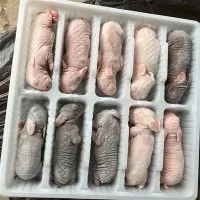
Once you have your freezer, proper organization is key. Start by categorizing the frozen rats based on their size. For example, Little White Rat and Pinks Rats have different sizes and are suitable for different reptile species. You might want to use separate storage bins or freezer bags for each size category. Label each bin or bag clearly with the type of rat and the date of freezing. This will not only help you keep track of the inventory but also ensure that you use the oldest stock first, following the first - in, first - out (FIFO) principle.
It's also a good idea to keep a record of your inventory. You can use a simple spreadsheet or a notepad to note down the number of rats you have, the size, and any other relevant details. This will help you manage your stock and plan your future orders.
Maintaining the Freezer
Regular maintenance of the freezer is essential to ensure optimal storage conditions. Keep the freezer clean by wiping the interior regularly with a mild detergent and warm water. Make sure to unplug the freezer before cleaning to avoid any electrical hazards.
Check the temperature of the freezer regularly using a freezer thermometer. If the temperature is not within the recommended range, adjust the thermostat accordingly. If you notice any signs of frost build - up, defrost the freezer as needed. Excessive frost can reduce the efficiency of the freezer and cause temperature fluctuations.


Addressing Landlord Concerns
When storing frozen rats in a rented accommodation, it's important to be transparent with your landlord. Explain the purpose of the freezer and how you plan to maintain it. Assure them that there will be no unpleasant odors or mess associated with the storage. You can also offer to provide a copy of your freezer maintenance plan to show your commitment to keeping the rental property in good condition.
If your landlord has concerns about the noise level of the freezer, choose a unit with a low noise rating. Place the freezer on a stable surface to minimize vibrations and noise. You can also use anti - vibration pads to further reduce the noise.
Safety Considerations
In addition to proper storage, safety is also a major concern. Keep the freezer locked if you have children or pets in the household. This will prevent accidental access to the frozen rats.
When handling the frozen rats, use gloves and other appropriate safety equipment. Wash your hands thoroughly after handling to avoid cross - contamination. If you notice any signs of spoilage, such as an off - odor or discoloration, do not feed the rats to your reptiles.
Sourcing Quality Frozen Rats
As a supplier of frozen rats for reptiles, I can attest to the importance of sourcing high - quality products. Our Frozen Pinks Rats are raised under strict conditions and are carefully processed and frozen to ensure maximum freshness and nutritional value. We use state - of - the - art freezing technology to lock in the nutrients and prevent the growth of harmful bacteria.
When choosing a supplier, look for one that has a good reputation for quality and reliability. Check for customer reviews and ask for recommendations from other reptile owners. A reliable supplier will also be able to provide you with detailed information about the sourcing, processing, and storage of their frozen rats.
Contact for Purchase and Discussion
If you're interested in purchasing high - quality frozen rats for your reptiles, I encourage you to reach out for a procurement discussion. We are committed to providing the best products and services to meet your needs. Whether you're a small - scale reptile owner or a large - scale breeder, we have the capacity to supply you with the right quantity and size of frozen rats.
References
- "Reptile Feeding and Nutrition" by Philippe de Vosjoli.
- "The Complete Guide to Reptile Health" by Richard D. Bartlett and Patricia P. Bartlett.