



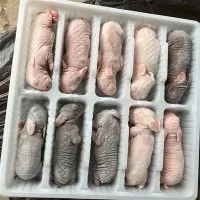
Hey there, fellow reptile enthusiasts and pet store owners! I'm a supplier of Frozen Rats for Reptiles, and I know how crucial it is to maintain the quality of these frozen rodents during long-term storage. After all, our cold-blooded friends deserve the best nutrition, and that starts with high-quality prey. In this blog post, I'll share some tips and tricks on how to keep your frozen rats in top-notch condition for as long as possible.
Understanding the Importance of Quality
Before we dive into the storage tips, let's talk about why quality matters. Reptiles have specific dietary needs, and feeding them low-quality prey can lead to health issues. For example, rats that have been stored improperly may lose their nutritional value or develop harmful bacteria. This can result in malnutrition, digestive problems, and even infections in your reptiles.
As a supplier, I take quality seriously. That's why I source my Little White Rat and Small White Rats from reputable breeders who follow strict health and safety standards. I also make sure to freeze the rats as quickly as possible after they're harvested to preserve their nutritional value.

Proper Freezing Techniques
The first step in maintaining the quality of frozen rats is to freeze them properly. When I receive the rats from the breeder, I immediately place them in a blast freezer. A blast freezer is designed to freeze food quickly, which helps to prevent the formation of large ice crystals. Large ice crystals can damage the cells in the rat's body, leading to a loss of moisture and nutrients.
Once the rats are frozen solid, I transfer them to a regular freezer for long-term storage. It's important to keep the freezer temperature consistent, ideally at or below -20°C (-4°F). Fluctuations in temperature can cause the rats to thaw and refreeze, which can also lead to a loss of quality.
Storage Conditions
In addition to proper freezing techniques, the storage conditions also play a crucial role in maintaining the quality of frozen rats. Here are some tips to keep in mind:
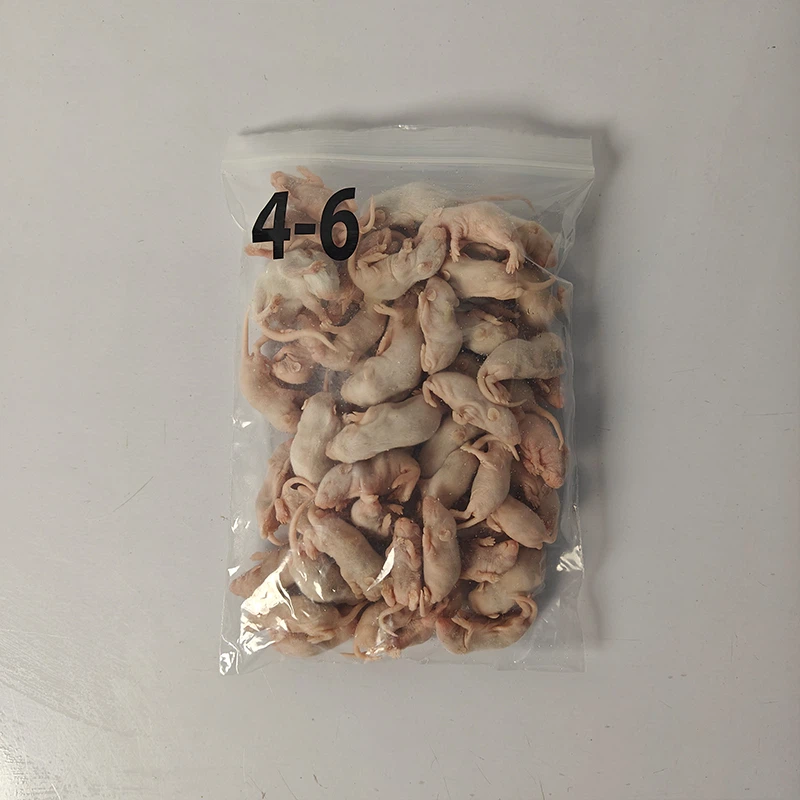
- Use airtight containers: When storing frozen rats, it's important to use airtight containers to prevent freezer burn. Freezer burn occurs when the surface of the food is exposed to air, causing it to dry out and develop a grayish-brown color. Airtight containers help to keep the air out and preserve the quality of the rats.
- Label the containers: It's also a good idea to label the containers with the date of freezing and the size of the rats. This will help you keep track of how long the rats have been in storage and ensure that you use the oldest rats first.
- Store the rats in the back of the freezer: The back of the freezer is usually the coldest part, so it's the best place to store frozen rats. Avoid storing the rats near the door or in areas where the temperature may fluctuate.
- Keep the freezer clean: A dirty freezer can harbor bacteria and other contaminants, which can affect the quality of the frozen rats. Make sure to clean the freezer regularly and remove any spills or debris.
Rotation and Inventory Management
Another important aspect of maintaining the quality of frozen rats is rotation and inventory management. It's important to use the oldest rats first to ensure that they don't expire. I recommend implementing a first-in, first-out (FIFO) system, where you place the newly received rats at the back of the freezer and move the older rats to the front.
You should also keep track of your inventory and order new rats as needed. This will help you avoid running out of stock and ensure that you always have a fresh supply of frozen rats on hand.
Thawing and Feeding
When it's time to feed your reptiles, it's important to thaw the frozen rats properly. Never thaw the rats at room temperature, as this can allow bacteria to grow. Instead, thaw the rats in the refrigerator overnight or use a cold water bath.
Once the rats are thawed, make sure to feed them to your reptiles within a few hours. Do not refreeze the rats after they've been thawed, as this can also lead to a loss of quality.
Conclusion
Maintaining the quality of frozen rats for reptiles during long-term storage is essential for the health and well-being of your cold-blooded friends. By following the tips and techniques outlined in this blog post, you can ensure that your frozen rats stay fresh and nutritious for as long as possible.
If you're interested in purchasing high-quality Frozen Rats for Reptiles, please don't hesitate to contact me. I'd be happy to discuss your needs and provide you with a quote.
References
- "Proper Storage of Frozen Foods." FoodSafety.gov.
- "Freezing and Food Safety." USDA Food Safety and Inspection Service.
- "Feeding Your Reptile." Reptiles Magazine.