


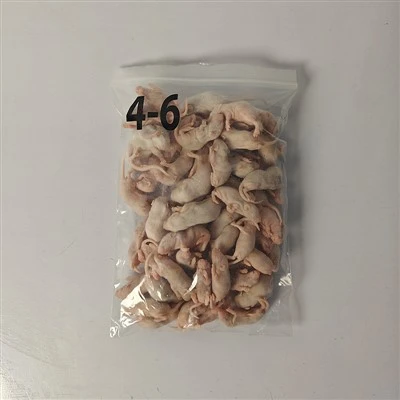
Frozen Rats
Xiaotuowa Co., Ltd. is a specialized enterprise dedicated to the breeding of laboratory animals. The company maintains a breeding capacity of approximately 30,000 mouse colonies. Adhering to scientific and rigorous breeding principles, Xiaotuowa has established a comprehensive breeding management system.
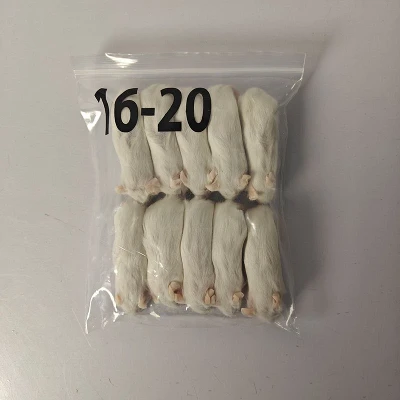
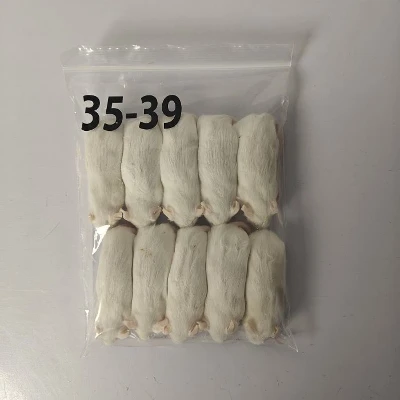
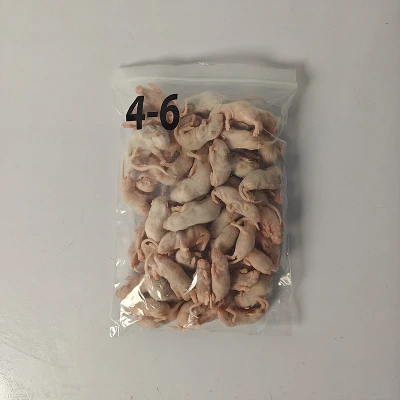
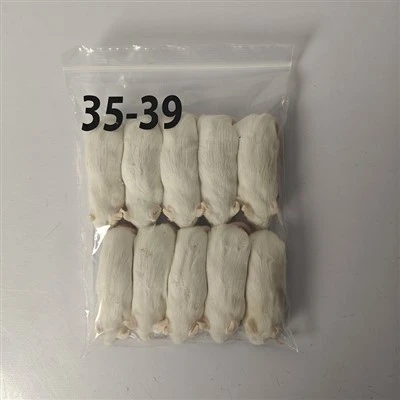
Why Choose Us
Professional Team
Our technical staff are proficient in advanced breeding techniques and disease prevention protocols, enabling them to respond promptly to any emergencies. Meanwhile, our breeders exhibit meticulous care and diligence in their daily feeding and cleaning duties, ensuring a hygienic and comfortable living environment for the animals.
Professional Services
Whether it is product usage issues, feeding suggestions, or after-sales return and exchange needs, customer service staff can patiently answer and handle them. By collecting customer feedback, the company continuously optimizes products and services and improves customer satisfaction.
Sales Market
Owing to superior quality, Xiaotuowa's white mice have garnered significant recognition in both domestic and international markets. Our products have been successfully exported to countries such as Japan, the United States, and regions including the Middle East.
Quality Control
From the selection of high-quality feed to stringent control over the breeding environment, every process adheres strictly to international standards. This ensures that our breeding mice are of superior quality, healthy, and genetically stable.
|
Crude Protein (min) |
20.95% |
|
Crude Fat (min) |
11.05% |
|
Crude Fiber (max) |
0.0% |
|
Moisture (max) |
66.10% |
|
Ash (max) |
3.32% |
|
Energy (kcal/g) |
6.37 |
Types of Frozen Rats
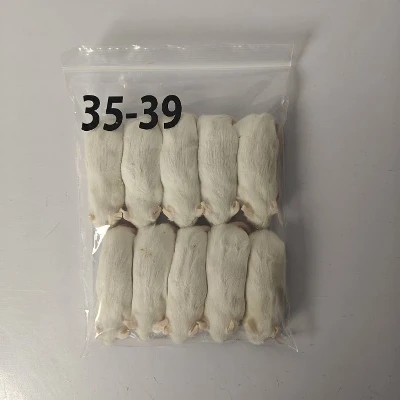
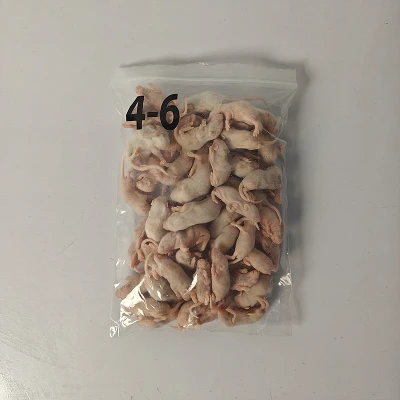
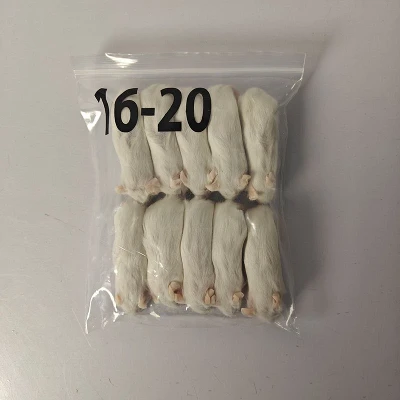
The frozen rats produced by our company mainly include the following types:
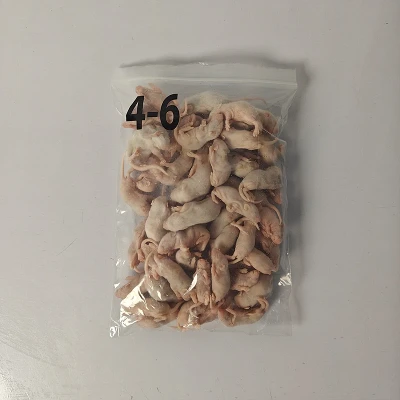
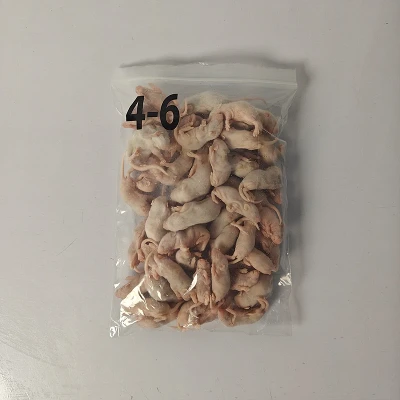
Frozen Pinkie Rats
Frozen pinkie rats are a safe and handy way to satisfy your pet reptile's carnivorous and predatory inclinations. Rodents contribute to a reptile's well-being by increasing its natural diet. Imagitarium rats and mice are free of any internal parasites, mites, or ticks.
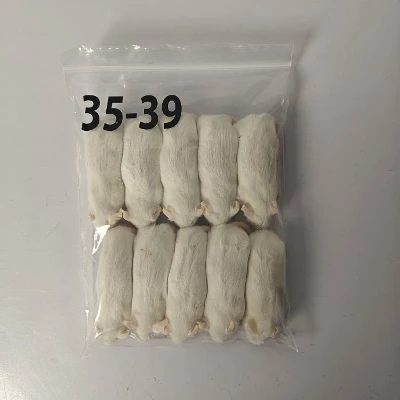
Frozen Jumbo Rat
Our frozen jumbo rat is also rich in vitamins, such as vitamin A, vitamin D, and B vitamins. Vitamin A is essential for the development and maintenance of reptile vision, helping them to see clearly when hunting and exploring their surroundings.
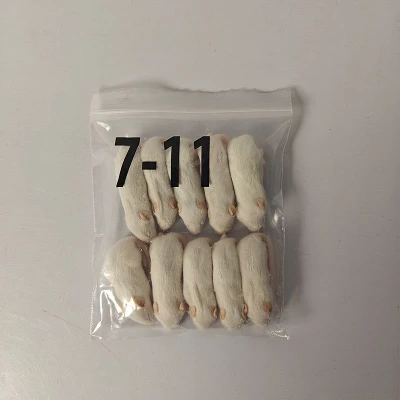
Frozen Pup Rats
Our frozen pup rats flesh contains minerals like calcium, phosphorus, iron, and zinc. Calcium and phosphorus are the primary components of reptile bones and teeth. Adequate calcium and phosphorus supply is essential for maintaining strong bones and regular structure.

● Crude Protein: These feeder rodents have a crude protein content of 56-60%, while the minimum requirement for snakes for crude protein is 30-50%. Protein is fundamental for tissue building and regeneration, as well as for the overall growth of snakes.
● Calcium (Ca): The calcium content of feeder rats is 1.0-8.7%, meeting the nutritional requirements of reptiles (minimum 0.8-1.0%).
● Magnesium (Mg): The magnesium content in frozen rats is 0.1-0.4%, which also meets the snakes' requirement for this element (minimum 0.04%). Magnesium supports neuromuscular health.
● Phosphorus (P) mg/kg: The phosphorus content is 0.8-6.0 mg/kg, in line with the recommended values for snakes (minimum 0.5-0.9). Phosphorus plays an important role in energy metabolism.
● Potassium (K) mg/kg: The potassium level in feeder rats is 2.9 mg/kg, meeting the requirement of snakes (minimum 0.4-0.6 mg/kg). Potassium is important for cardiovascular functions.
Sodium (Na) mg/kg
The sodium content is 1.3 mg/kg, in line with the requirements (minimum 0.2 mg/kg). Sodium is crucial for body fluid balance.
Copper (Cu) mg/kg
The copper content is 9-12 mg/kg, which also covers the natural requirement of snakes (minimum 5-8). Copper aids in the production of red blood cells, among other things.
Iron (Fe) mg/kg
The iron level in frozen feeder rats is 67-179 mg/kg, amply meeting the minimum nutritional requirements of snakes (60-80 mg/kg).
Manganese (Mn) mg/kg
The manganese content in this type of feeder rodents is 9-25 mg/kg, also meeting the minimum requirements of snakes (5 mg/kg). Manganese plays an important role in animal metabolism.
Zinc (Zn) mg/kg
The zinc level is 37-94 mg/kg, in line with the requirements (minimum 50 mg/kg). Zinc supports the immune system of reptiles.
Ca:P Ratio mg/kg
The calcium to phosphorus ratio in our feeder rats is 1.3-1.5, which is ideal for snakes (recommended 1-2).
The Convenience and Benefits of Frozen Rats for Snake Feeding
Convenience and Safety
Feeding frozen mice and rats to snakes offers significant convenience and safety benefits. Unlike live prey, frozen rodents are readily available from pet stores and specialized suppliers. They come pre-killed and frozen, eliminating the risks associated with live feeding, such as injury to the snake from defensive prey or the transmission of parasites and diseases.
Nutritional Value
Frozen mice and rats are nutritionally balanced for snakes, providing essential nutrients such as proteins, fats, and minerals. These rodents are often bred specifically as feeder animals, ensuring they meet dietary requirements without the variability sometimes associated with wild-caught prey. The freezing process also helps preserve nutrients, offering a wholesome meal for your snake.
Behavioral Benefits
For both pet snakes and their owners, frozen prey can promote more relaxed feeding behaviors. Snakes fed frozen rodents are less likely to exhibit stress-related behaviors associated with live prey interactions, such as defensive strikes or refusal to feed. This makes feeding sessions safer and more predictable for both parties involved. minute or two, heat it again and just leave it on the warm side of the enclosure.
Hygiene and Storage
Storing frozen mice and rats is straightforward and hygienic. They can be kept in a freezer until needed, ensuring they remain fresh and safe for consumption. This eliminates the need for frequent trips to acquire live prey and reduces the overall maintenance associated with feeding snakes.
Cost-Effectiveness
In many cases, feeding frozen mice and rats can be more cost-effective than sourcing live prey. While initial costs may vary, particularly based on the size and quantity of rodents purchased, the ability to buy in bulk and store them long-term often results in savings over time.
Ethical Considerations
Feeding frozen prey also addresses ethical considerations within the pet community. It reduces the ethical dilemma associated with live feeding, where the welfare of both predator and prey must be carefully considered. Many snake owners and animal welfare advocates prefer frozen prey for its humane approach to feeding captive snakes.
Steps for Feeding Frozen Rats

Thaw out the rodent
We like to put ours in a bath of room temperature water. You can also thaw in the fridge if you want to get your rat out in the morning or the night before.
Warm it up, slowly
Hot water from your faucet works great or you can use a hairdryer. The rodent should be warm all the way through, which takes some time with a hairdryer. Use your IR Temp Gun to check the rat’s head. It should be 100-110F.
Offer it to your snake
Use rubber-tipped tongs and do a little dance with it. If your snake won’t take it after a minute or two, heat it again and just leave it on the warm side of the enclosure.
Storage Considerations for Frozen Rats
Temperature
Maintain a freezer temperature between 0 and 5°F (or -18 and -15°C).
Packaging
Use freezer-safe bags, double-bagging them to minimize freezer burn and potential contamination.
Separate from Food
Store them separately from other food items, ideally on a lower shelf or in a dedicated freezer section.
Duration
Frozen rodents can last for up to six months in a kitchen freezer or upwards of a year in a deep freezer.
|
Packaging |
Ziplock bags, cardboard boxes |
|
Shipping |
We will help you to choose the best shipping way according to your detail requirements. By sea, by air, or by express, etc. |
As a professional enterprise engaged in experimental animal breeding, we have been developing steadily for 10 years in Hangzhou, Zhejiang, a vibrant city. Hangzhou not only has beautiful natural scenery, but also has complete scientific research industry supporting facilities, which provides unique conditions for the company's growth.

FAQ
As one of the most professional frozen rats suppliers in China, we're featured by quality products and good price. If you're going to wholesale bulk high quality frozen rats, welcome to get pricelist and free sample from our factory.
frozen rats for frozen rat trays, frozen rats for frozen rat carbohydrates, frozen rats for house gecko