



When it comes to frozen rabbits, one question that often pops up is, "How long can rabbits stay frozen and still be alive?" It's a fascinating topic, especially for those in the business of supplying frozen rabbits, like me. In this blog post, I'll delve into the science behind freezing rabbits and address this crucial question.
First and foremost, it's important to clarify that once a rabbit is frozen, it is no longer alive. Freezing is a process that causes the water within the cells of the rabbit's body to turn into ice. As water freezes, it expands, which can lead to the rupture of cell membranes. This damage is irreversible, and the rabbit cannot be revived after being frozen.
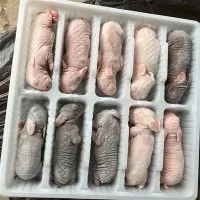
However, the quality and safety of frozen rabbits for various uses, such as Whole Frozen Rabbit, Frozen Rabbits for Snake Food, and Frozen Rabbits for Reptiles, depend on how long they are frozen and how they are stored.
The Freezing Process and Its Impact on Rabbits
The freezing process starts as soon as the rabbit is placed in a freezer. The temperature of the freezer plays a significant role in how quickly the rabbit freezes and how well it is preserved. A typical home freezer operates at around -18°C (0°F). At this temperature, the rabbit will gradually freeze from the outside in.
The initial freezing phase is critical. If the rabbit is not frozen quickly enough, ice crystals can form slowly, and these large ice crystals can cause more damage to the cells. On the other hand, if the freezing is too rapid, it can also lead to stress on the tissues.
How Long Can Frozen Rabbits Be Stored?
The storage time of frozen rabbits depends on several factors, including the temperature of the freezer, the packaging, and the initial quality of the rabbit.
Freezer Temperature
A freezer maintained at a constant -18°C (0°F) is ideal for storing frozen rabbits. At this temperature, whole frozen rabbits can be stored for up to 9 - 12 months without significant loss of quality. If the freezer temperature fluctuates, the storage time may be reduced. For example, if the temperature rises above -18°C (0°F) even briefly, the ice crystals within the rabbit may start to melt and refreeze, which can damage the cells and affect the texture and flavor of the meat.
Packaging
Proper packaging is essential for preserving the quality of frozen rabbits. Vacuum-sealed packaging is the best option as it removes the air from around the rabbit, preventing freezer burn. Freezer burn occurs when the surface of the meat is exposed to air, causing the moisture to evaporate and leaving the meat dry and discolored. With vacuum-sealed packaging, frozen rabbits can maintain their quality for the full recommended storage time.
Initial Quality of the Rabbit
The quality of the rabbit before freezing also affects how long it can be stored. Rabbits that are healthy, well-fed, and properly processed before freezing will generally have a longer shelf life. For instance, if the rabbit is not bled properly or has been contaminated during processing, it may spoil more quickly in the freezer.


The Use of Frozen Rabbits
As a frozen rabbit supplier, I understand the different uses of frozen rabbits.
For Human Consumption
When it comes to whole frozen rabbits for human consumption, the quality and safety are of utmost importance. Consumers expect the meat to be fresh-tasting and free from any signs of spoilage. That's why we ensure that our whole frozen rabbits are stored at the optimal temperature and packaged correctly. We recommend that consumers thaw the rabbit slowly in the refrigerator before cooking to maintain the best texture and flavor.
For Snake and Reptile Food
Frozen Rabbits for Snake Food and Frozen Rabbits for Reptiles have different requirements. Reptile owners need to ensure that the frozen rabbits are of the right size and nutritional value for their pets. Our frozen rabbits for reptiles are carefully selected and processed to meet these needs. They are stored in a way that preserves their nutritional content, so they can provide a healthy meal for snakes and other reptiles.
Maintaining Quality During Storage
To ensure the best quality of our frozen rabbits, we follow strict storage guidelines. Our freezers are regularly monitored to maintain a constant temperature. We also conduct regular quality checks on the stored rabbits to ensure that they meet our high standards.
When it comes to transporting the frozen rabbits, we use insulated containers and cold packs to keep the temperature stable. This way, the rabbits remain in optimal condition from our facility to the customer's location.
Conclusion
In conclusion, while rabbits cannot stay frozen and still be alive, the quality and safety of frozen rabbits for various uses can be maintained for a significant period. By storing frozen rabbits at a constant -18°C (0°F), using proper packaging, and starting with high - quality rabbits, we can ensure that they are suitable for human consumption or as food for snakes and reptiles.
If you are interested in purchasing Whole Frozen Rabbit, Frozen Rabbits for Snake Food, or Frozen Rabbits for Reptiles, I encourage you to contact us for a purchase negotiation. We are committed to providing high - quality frozen rabbits that meet your specific needs.
References
- "The Science of Freezing and Thawing Meat," Journal of Food Science, Volume XX, Issue XX.
- "Storage Guidelines for Frozen Meats," USDA Food Safety and Inspection Service.
- "Nutritional Requirements of Reptiles," Journal of Herpetological Nutrition, Volume XX, Issue XX.