



As a supplier of frozen rats, I often get asked about the process of preparing these products for sale. It's a topic that combines elements of animal husbandry, food safety, and market demand. In this blog post, I'll take you through the detailed steps of how frozen rats are prepared, from breeding to the final packaging.
Breeding and Rearing
The journey of a frozen rat begins with careful breeding. We maintain a healthy and genetically diverse colony of rats in a controlled environment. This environment is designed to meet all the physiological and behavioral needs of the rats. The housing facilities are spacious, clean, and well - ventilated, with proper temperature and humidity control.
We feed our rats a balanced diet that consists of high - quality rodent pellets, fresh vegetables, and clean water. This diet is essential for their growth and overall health. The quality of the diet directly impacts the quality of the final product. A well - nourished rat is more likely to have a healthy body composition, which is important for our customers, who often use these frozen rats as food for their reptiles, birds of prey, or other carnivorous animals.
During the rearing process, we closely monitor the rats' health. Regular veterinary check - ups are conducted to detect and treat any potential diseases or health issues early. We also ensure that the rats have enough space to move around, which promotes their physical development and reduces stress.
Humane Euthanasia
When the rats reach the appropriate age and size for our market, we proceed with the euthanasia process. This is a critical step, and we take it very seriously. We follow strict ethical and legal guidelines to ensure that the rats are euthanized in a humane manner.
One of the most commonly used methods is carbon dioxide inhalation. This method is considered humane because it causes the rats to lose consciousness quickly and painlessly. The rats are placed in a sealed chamber, and carbon dioxide is gradually introduced. As the concentration of carbon dioxide increases, the rats lose consciousness and eventually die. This process is carefully monitored to ensure that it is carried out as smoothly and painlessly as possible.
Post - Euthanasia Handling
After euthanasia, the rats are immediately removed from the chamber and placed on a clean work surface. We conduct a visual inspection to ensure that the rats are healthy and free from any visible signs of disease or injury. Any rats that do not meet our quality standards are discarded.
Next, the rats are washed thoroughly to remove any dirt, debris, or feces. We use clean, potable water and a mild disinfectant to ensure that the rats are clean and hygienic. This step is crucial for preventing the growth of bacteria and other microorganisms during the freezing process.
Freezing Process
Once the rats are clean, they are ready to be frozen. We use commercial - grade freezers that can quickly lower the temperature of the rats to below - 20°C (- 4°F). Rapid freezing is important because it helps to preserve the quality of the meat and prevent the formation of large ice crystals, which can damage the cell structure of the rats.
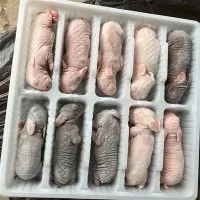
There are different ways to package the frozen rats. We offer various options to meet the diverse needs of our customers. Some customers prefer individual packaging, where each rat is wrapped in a plastic bag. This allows for easy portion control and storage. Others may opt for bulk packaging, where multiple rats are placed in a larger container.
Quality Control
Throughout the entire process, quality control is of utmost importance. We have a dedicated quality control team that conducts regular inspections at every stage of production. They check the health of the rats during the rearing process, the effectiveness of the euthanasia method, the cleanliness of the post - euthanasia handling, and the quality of the freezing and packaging.
We also test the frozen rats for the presence of harmful bacteria, such as Salmonella and E. coli. These tests are conducted in accredited laboratories to ensure accurate results. Only rats that pass all the quality control tests are approved for sale.
Market Offerings
In addition to standard - sized frozen rats, we also offer other related products. For example, we have Suckling Mouse, which are very small and are often used as food for smaller reptiles or baby animals. We also provide Frozen Pinks Mouse and Frozen Pinks Rats. These are young rats and mice that have a pinkish color due to their underdeveloped fur. They are a popular choice for animals that prefer softer and more easily digestible prey.
Packaging and Shipping
Once the frozen rats have passed all the quality control checks, they are carefully packaged for shipping. We use insulated boxes and dry ice to ensure that the rats remain frozen during transit. The packaging is designed to protect the rats from damage and to maintain the cold chain.
We work with reliable shipping companies that have experience in transporting frozen products. They are equipped with the necessary refrigerated trucks and handling facilities to ensure that the rats arrive at their destination in good condition.


Contact for Purchase and Discussion
If you are interested in purchasing our frozen rats or have any questions about our products, please feel free to contact us. We are always happy to discuss your specific needs and provide you with more information about our offerings. Whether you are a pet owner, a zoo, or a research institution, we can provide you with high - quality frozen rats that meet your requirements.
References
- "Laboratory Animal Science: An Introduction" by James G. Fox, Lynn C. Anderson, and Frank W. Quimby.
- Guidelines on Humane Euthanasia of Animals by the American Veterinary Medical Association.
- Food Safety Standards for Frozen Meat Products by the relevant national food safety authorities.