



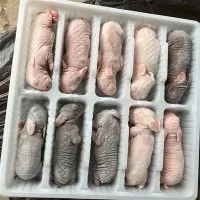
Hey there! I'm a supplier of frozen rats, and I often get asked about the best way to defrost these little critters in a refrigerator. It might seem like a strange topic, but for those in the business of feeding reptiles, birds of prey, or other animals that dine on rodents, it's a crucial part of the process. So, let's dive into how you can defrost frozen rats safely and effectively in your fridge.
Why the Fridge?
First off, you might be wondering why I'm recommending using the fridge to defrost the rats. Well, it's all about food safety. Defrosting at room temperature can cause bacteria to multiply rapidly, which can make the rats less safe for your animals to eat. The cold environment of the refrigerator slows down the growth of bacteria, keeping the rats fresh and safe for consumption.
Step-by-Step Guide to Defrosting in the Fridge
- Prepare the Rats
- When you receive your frozen rats from us (we offer a great selection of High White Rat, Small White Rats, and Frozen Pup Rats), they'll be in a sealed package. Make sure the package is intact. If it's damaged, transfer the rats to a new, air - tight plastic bag.
- Choose the Right Shelf
- Place the sealed bag of rats on a plate or in a shallow container. This is to catch any potential drips. Put the container on a lower shelf in the fridge. The lower shelves tend to be colder, which is better for maintaining the safety of the defrosting process.
- Set the Right Time
- The time it takes to defrost a frozen rat in the fridge depends on its size. A small white rat might take about 12 - 24 hours to fully defrost. Larger rats, like the high white rats, could take 24 - 48 hours. It's important to be patient and let the process happen naturally.
- Check for Defrosting
- After the estimated defrosting time, gently squeeze the rat through the bag. If it's still icy in the center, put it back in the fridge for a few more hours. Once it's completely defrosted, it should feel soft all the way through.
Tips for a Smooth Defrosting Process
- Label Your Rats
- If you have different sizes or types of rats in your freezer, label the bags before putting them in the fridge. This way, you'll know which ones are which and can plan accordingly for feeding your animals.
- Keep the Fridge Clean
- Regularly clean your fridge to prevent any cross - contamination. Wipe down the shelves and the container you used to defrost the rats with a mild disinfectant after each use.
- Don't Refreeze Defrosted Rats
- Once a rat is defrosted, don't refreeze it. This can change the texture and quality of the meat, and it might also increase the risk of bacterial growth.
Common Mistakes to Avoid
- Using Hot Water
- Some people might be tempted to speed up the defrosting process by using hot water. This is a big no - no! It can create a warm environment where bacteria can grow quickly. Stick to the fridge method for the safest results.
- Leaving Rats Unattended
- Don't just leave the rats in the fridge and forget about them. Check on them regularly to make sure the defrosting is going as planned. If you leave them for too long after they're defrosted, they could start to spoil.
Quality of Our Frozen Rats
As a supplier, we take pride in the quality of our frozen rats. We ensure that all our rats are humanely raised and processed. Our freezing process is carefully controlled to preserve the nutritional value of the rats. This means that when you defrost them in your fridge and feed them to your animals, you're providing a high - quality meal.
Contact for Procurement
If you're in the market for frozen rats, whether it's for a small pet reptile or a large collection of birds of prey, we're here to help. We offer different sizes and types of frozen rats to meet your specific needs. If you have any questions about our products, the defrosting process, or anything else, feel free to reach out and start a conversation about purchasing from us.


References
- Food Safety Guidelines for Frozen Meats, USDA Food Safety and Inspection Service
- Best Practices for Feeding Reptiles, Reptile Keepers Association