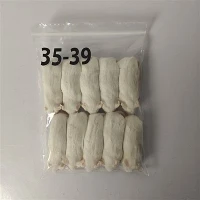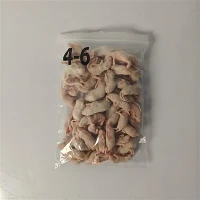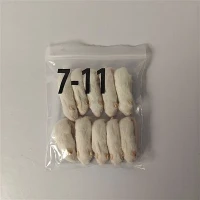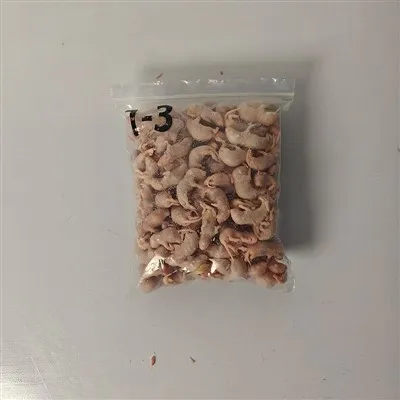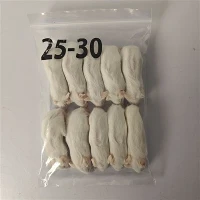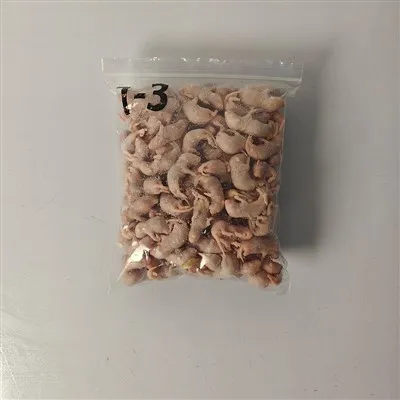


What is a suckling mouse?
|
Definition: A suckling mouse is a young mouse that is just born (usually 1-3 days old). It is small, hairless, and has closed eyes. It is commonly seen as a white mouse (laboratory strain).
|
Why feed suckling mice?
Nutritional requirements
|
Suckling mice are rich in protein, fat, calcium, and vitamins, which conform to the natural dietary structure of carnivorous reptiles. |
Safety
Non-aggressive, to avoid live mice biting reptiles (adult mice may resist).
Palatability
| The size is suitable for young or small reptiles (such as corn snakes, leopard geckos, etc.). |
Purchase and storage recommendations
- Source: Reptile specialty stores, online e-commerce (need cold chain transportation).
- Storage: Frozen baby mice should be packaged according to specifications to avoid repeated thawing.
- Mark the date, and it is recommended to use within 6 months.
Feeding precautions
(1) Live suckling mice vs. frozen suckling mice
Live suckling mice:
- Advantages: Easier to stimulate predatory instincts.
- Risks: Need to be fed immediately, otherwise they may starve to death or rot; ethical controversy.
Frozen suckling mice (recommended):
- Advantages: Easy to store (can be stored for several months at -18°C), avoids parasites.
- How to use: Thaw to room temperature (soak in warm water for 10-15 minutes), shake with tweezers to simulate live mice.
(2) Feeding frequency
Junior reptiles:
1-2 times a week (such as corn snakes).
Adult reptiles:
1-2 times a week, depending on the species.
(3) Common problems
Refusing to eat:
It may be due to low temperature, environmental stress, or disease. Try changing the size of the suckling mice or feeding time (such as at night).
Digestion problems:
Ensure that the environmental temperature meets the standard (such as snakes require a digestion temperature range of 28-32°C).
Alternative food (optional)
Artificial feed: Some lizards (such as bearded dragons) can use special pellet feed.
Insects: Crickets, cockroaches, etc. (suitable for small lizards or transitional period of young snakes).
Safety tips
Wash your hands after handling baby mice to avoid cross-contamination.
Observe the defecation of reptiles. If indigestion persists, seek medical attention.
FAQ
Can I refrigerate the baby rat after it is thawed?
It is not possible to refrigerate the baby rat after it is thawed. Animal food should not be stored after it is thawed. Once the animal food has been thawed, it should be used as soon as possible and not refrigerated again. Therefore, it is not possible to refrigerate the baby rat after it is thawed.
How to thaw suckling mouse?
1.Thawing & Feeding:
DO NOT MICROWAVE. Thaw suckling mouse at room temperature or place in a sealed bag and thaw in warm water. Make sure food products are completely thawed prior to feeding. Remove and discard uneaten food products. Do not refreeze.
2.Safe Handling:
NOT FOR HUMAN CONSUMPTION. Rodents and other whole prey are potential carriers of zoonotic diseases such as salmonella. Consider wearing latex or nitrile gloves when handling raw foods. Thoroughly wash your hands, utensils and surfaces that come into contact with this product.
Hot Tags: suckling mouse, China suckling mouse suppliers, factory, frozen rats for corn snake morphs, bulk frozen rats, frozen rats for frozen rat chocolates, frozen rats for frozen rat slices, frozen rats for carpet python, frozen rats for frozen rat shreds