



As a supplier of Frozen Rats for Reptiles, I often get asked a crucial question by reptile enthusiasts, especially those who own venomous reptiles: "Can I feed frozen rats to my venomous reptile?" In this blog post, I'll delve into this topic, providing you with scientific insights and practical advice to help you make an informed decision.


The Feeding Habits of Venomous Reptiles
Venomous reptiles, such as certain species of snakes and lizards, have evolved over millions of years to be efficient predators. In the wild, their diet primarily consists of live prey, which provides them with the necessary nutrients, exercise, and mental stimulation. Live prey also triggers their natural hunting instincts, allowing them to exhibit their predatory behaviors.
However, feeding live prey to venomous reptiles in captivity poses several risks. Firstly, live prey can fight back and potentially injure the reptile. A struggling rat or mouse can bite or scratch the snake, leading to infections or other health issues. Secondly, live prey may carry diseases or parasites that can be transmitted to the reptile. Finally, feeding live prey can be stressful for both the reptile and the owner. It can be difficult to find a reliable source of live prey, and handling live rodents can be unpleasant for many people.
The Advantages of Feeding Frozen Rats
Feeding frozen rats to venomous reptiles has become a popular alternative to live prey in recent years. There are several advantages to using frozen rats as a food source:
- Convenience: Frozen rats are readily available from suppliers like me. You can order them in bulk and store them in your freezer, ensuring that you always have a supply of food for your reptile. This eliminates the need to constantly search for live prey and reduces the stress associated with feeding.
- Safety: Frozen rats are pre-killed, eliminating the risk of the prey fighting back and injuring your reptile. This reduces the chances of your snake getting bitten or scratched, which can lead to infections or other health problems.
- Health: Frozen rats are typically raised in a controlled environment and are free from diseases and parasites. This ensures that your reptile is getting a healthy and nutritious meal. Additionally, frozen rats can be supplemented with vitamins and minerals to ensure that your reptile is getting all the nutrients it needs.
- Ethical Considerations: Feeding frozen rats is considered to be a more ethical option than feeding live prey. Live prey often suffers during the hunting and killing process, while frozen rats are humanely euthanized before being frozen. This reduces the suffering of the prey and is more in line with modern animal welfare standards.
How to Feed Frozen Rats to Venomous Reptiles
Feeding frozen rats to venomous reptiles requires some preparation and care. Here are the steps you should follow:
- Thaw the Rat: Before feeding the frozen rat to your reptile, you need to thaw it completely. You can do this by placing the rat in a plastic bag and submerging it in warm water for about 30 minutes. Make sure the water is not too hot, as this can cook the rat and make it unappetizing for your reptile.
- Check the Temperature: Once the rat is thawed, check its temperature to make sure it is warm. You can do this by feeling the rat with your hand or using a thermometer. The rat should be at a temperature of around 90°F (32°C) to mimic the body temperature of live prey.
- Use Tongs or Forceps: When feeding the rat to your reptile, it's important to use tongs or forceps to avoid getting bitten. Hold the rat by the tail or the head and offer it to your reptile. Make sure the rat is positioned in a way that allows your reptile to easily grasp it.
- Observe Your Reptile: After offering the rat to your reptile, observe its behavior closely. Some reptiles may take the rat immediately, while others may need some time to get used to the idea of eating a frozen rat. If your reptile does not take the rat, try offering it again later or try a different method of presentation.
- Clean Up: After your reptile has finished eating, remove any uneaten food from the enclosure. This will help prevent the growth of bacteria and other harmful organisms.
Choosing the Right Size of Frozen Rats
When choosing frozen rats for your venomous reptile, it's important to choose the right size. The size of the rat should be appropriate for the size and age of your reptile. As a general rule, the rat should be no wider than the widest part of your reptile's body.
For smaller venomous snakes, such as corn snakes or king snakes, Small Frozen Rats for Snakes are a good option. These rats are typically around 10-15 grams in weight and are suitable for snakes that are up to 2 feet in length.
For larger venomous snakes, such as boa constrictors or pythons, larger frozen rats may be required. These rats can range in weight from 20-50 grams or more, depending on the size of the snake.
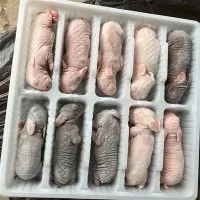
In addition to rats, you may also consider feeding your venomous reptile Pinks Rats or Pinks Mouse. These are newborn rats or mice that are still pink and hairless. They are a good option for smaller reptiles or for reptiles that are just starting to eat solid food.
Conclusion
Feeding frozen rats to venomous reptiles is a safe, convenient, and ethical option that can provide your reptile with a healthy and nutritious diet. By following the tips and guidelines outlined in this blog post, you can ensure that your reptile is getting the food it needs to thrive.
If you're interested in purchasing frozen rats for your venomous reptile, please don't hesitate to contact me. I'm happy to answer any questions you may have and to help you choose the right size and type of frozen rats for your reptile. Let's work together to keep your reptile healthy and happy!
References
- Barker, D., & Barker, T. (2008). Manual of Exotic Pet Practice. Saunders Elsevier.
- Frye, F. L. (1991). Biomedical and Surgical Aspects of Captive Reptile Husbandry. Krieger Publishing Company.
- Mader, D. R. (2006). Reptile Medicine and Surgery. Saunders Elsevier.