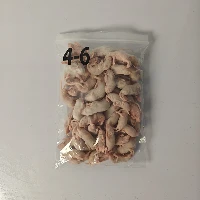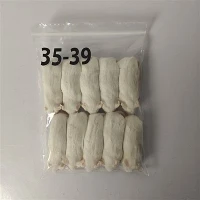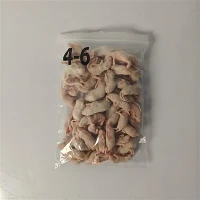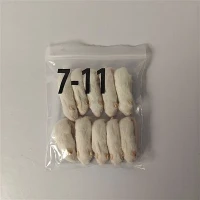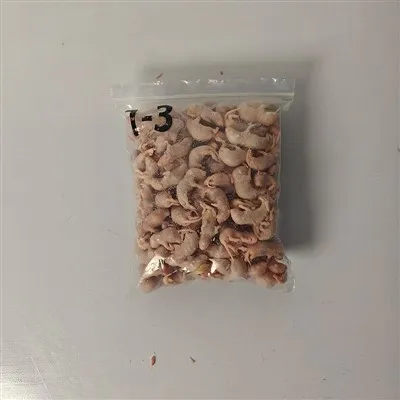

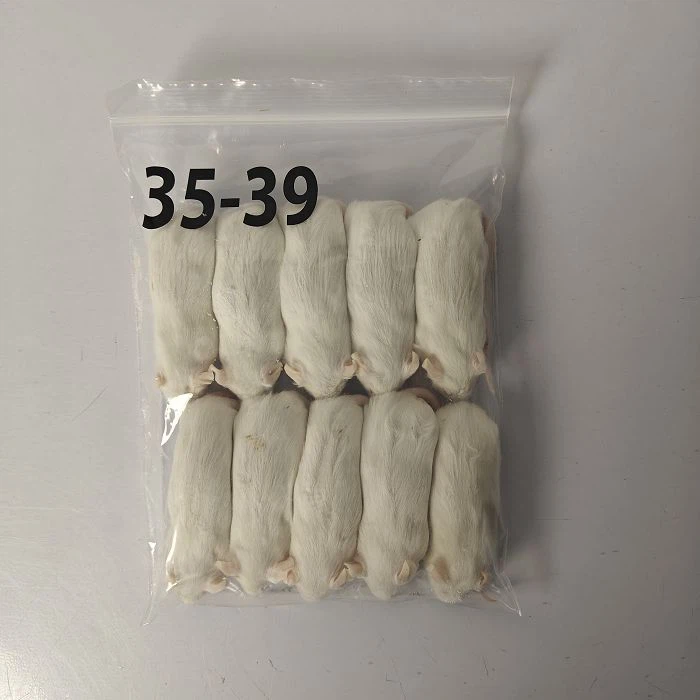
Definition of [pinks mouse]
|
"Pinkie mouse" generically describes a wide range of live or frozen mice that are fed to reptiles and amphibians. It's also a specific term describing a particular size and age of feeder mouse. As reptiles and amphibians grow, they typically progress from eating pinkie mice to larger types of mice or even rats. The vitamins and minerals in rat meat are particularly important for the bone development of reptiles. Vitamin D can promote the intestinal absorption of calcium, while calcium and phosphorus are the main components of bones. Without these nutrients, reptiles may suffer from bone diseases such as rickets and osteomalacia, which will affect their normal activities and survival.
|
Application of [pinks mouse]
Choose the plan that suits you best.
Virus Isolation and Propagation
They are used to isolate and propagate viruses, especially those that cause disease in humans or animals.
01
Studying Pathogenesis
Researchers use suckling mice to study how viruses cause disease in their hosts.
02
Developing Vaccines
For example, the suckling mouse brain (SMB) vaccine has been used for rabies immunization in Latin America.
03
Cholera Research
The suckling mouse model is used to study the pathogenesis of Vibrio cholerae and identify virulence factors.
04
Wholesale [pinks mouse] Supplier
- Strict raw material sources
We use artificially bred mice and rats as raw materials for frozen rat meat to ensure that their growth environment is controllable, their diet is healthy and pollution-free. Only rats with strong body, shiny fur and normal activities can be selected, and sick and weak individuals are eliminated to ensure quality and safety from the source.
- Humane treatment and strict hygiene
The slaughtering process follows the principles of humanity and hygiene, using electric shock or carbon dioxide asphyxiation to reduce pain and keep the meat intact. Subsequently, the internal organs are carefully cleaned to remove impurities to ensure that there are no bacteria residues, providing more hygienic food for reptiles.
- Cleaning and disinfection
The rat meat is rinsed with running water many times to remove blood and impurities, and treated with disinfectants that meet food safety standards to kill harmful bacteria and ensure food hygiene and safety.
- Quick freezing locks in fresh nutrition
The processed rat meat is quickly cooled to -18℃ to -20℃ to inhibit bacterial growth, avoid frostbite, and retain cell structure and nutrients to the greatest extent, allowing reptiles to enjoy high-quality food.
- Scientific storage
Frozen rat meat needs to be stored in a frozen environment at about -18℃. It can be stored for 1-2 years, but it is recommended to be used within six months to one year to maintain the best taste and nutrition and ensure the healthy growth of reptiles.
Types of [pinks mouse]
Pre-killed pinkies and other feeder animals are highly preferable to live prey.
Although reptiles and amphibians normally kill their prey in the wild, the confined space in your pet's habitat makes this practice dangerous. If your pet isn't ready to eat when you introduce a live animal, the prey animal might attack. Even during a regular feeding session, some prey animals fight for their lives, potentially injuring your pet.
In addition, the small space does not allow room for a normal chase, which often covers great distances in the wild. You can kill the prey animal yourself, have your supplier do it, or order frozen feeder animals from a mail-order supplier.
Defrost frozen prey before feeding it to your pet.
Hot Tags: pinks mouse, China pinks mouse suppliers, factory, frozen rats for frozen rat enzymes, frozen rats for burmese python, frozen rats for ferrets, frozen rats for frozen rat yogurts, frozen rats for frozen rat wontons, frozen rats for frozen rat packs