



When it comes to the diet of certain reptiles, birds of prey, and other carnivorous animals, frozen rats are a popular and convenient food source. As a supplier of frozen rats, I often get asked about the nutritional content of our products, especially the protein content. In this blog post, I'll delve into the protein content of frozen rats and why it matters for your pets or animals.
Understanding the Importance of Protein
Protein is an essential macronutrient for all animals. It plays a crucial role in building and repairing tissues, producing enzymes and hormones, and maintaining a healthy immune system. For carnivorous animals, protein is the primary source of energy and is vital for their growth, development, and overall well - being.
In the wild, these animals would hunt and consume a variety of prey, which provides them with a balanced diet. When we keep them in captivity, it's our responsibility to ensure they get the right nutrients, and protein is at the top of the list.
Protein Content in Different Types of Frozen Rats
We offer a range of frozen rats to meet the diverse needs of our customers. The protein content can vary depending on the age and size of the rat.
Pinks Rats
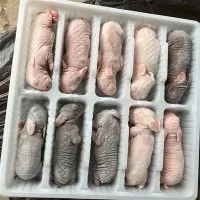
Pinks Rats are very young rats, usually less than 24 hours old. They are called "pinks" because of their pink, hairless appearance. These tiny rats are often used as food for small snakes, lizards, and some baby birds.
The protein content in pinks rats is relatively high, considering their small size. On average, pinks rats contain about 16 - 18% protein. This high protein percentage is essential for the rapid growth and development of young carnivorous animals.
Frozen Pinks Rats
Frozen Pinks Rats are simply pinks rats that have been frozen to preserve their nutritional value. Freezing does not significantly alter the protein content. In fact, freezing helps to lock in the nutrients, ensuring that when you feed them to your animals, they are getting the same high - quality protein as if they were fresh.
Frozen Jumbo Rat
Frozen Jumbo Rat are fully - grown or nearly fully - grown rats. They are much larger in size compared to pinks rats and are suitable for larger snakes, big birds of prey, and other large carnivores.
The protein content in frozen jumbo rats is also substantial. A fully - grown rat can have a protein content of around 20 - 22%. This higher protein content is due to the larger muscle mass and more developed tissues in adult rats.


Factors Affecting Protein Content
While the general protein content ranges are as mentioned above, there are several factors that can affect the exact protein levels in our frozen rats.
Diet of the Rats
The diet of the rats before they are frozen plays a significant role. We ensure that our rats are fed a high - quality, balanced diet. A diet rich in grains, vegetables, and proteins helps to increase the protein content in the rats themselves. For example, if the rats are fed a diet with a high proportion of soybeans or other protein - rich grains, their muscle mass will develop better, leading to a higher protein content.
Age and Growth Stage
As mentioned earlier, younger rats (pinks) have a different protein content compared to adult rats. Young rats are in a stage of rapid growth, and their bodies are composed of a higher proportion of protein - rich tissues relative to their size. As they grow older, the protein content may change slightly as their body composition shifts.
Storage and Handling
Proper storage and handling of the frozen rats are crucial to maintain their protein content. If the rats are not frozen at the right temperature or are thawed and refrozen multiple times, it can lead to a breakdown of the protein structure. We follow strict storage protocols to ensure that our frozen rats are kept at the optimal temperature (-20°C or lower) to preserve their nutritional value.
Why Our Frozen Rats Are a Great Source of Protein
High - Quality Protein
The protein in our frozen rats is of high quality. It contains all the essential amino acids that carnivorous animals need. These amino acids are the building blocks of protein and are necessary for various physiological functions in the animals' bodies.
Natural and Balanced
Our frozen rats provide a natural and balanced diet for your animals. In the wild, these animals would hunt and eat whole prey, which includes not only the muscle (protein) but also the organs, bones, and other tissues. Our frozen rats offer a similar complete meal, ensuring that your animals get all the nutrients they need in the right proportions.
Convenience
Feeding frozen rats is much more convenient than hunting live prey. It eliminates the risk of injury to your pets from live prey and also makes it easier to control the portion size. You can simply thaw the appropriate number of rats and feed them to your animals at the right time.
How to Incorporate Frozen Rats into Your Animals' Diet
When feeding frozen rats to your animals, it's important to follow the right procedures. First, thaw the rats slowly in the refrigerator. This helps to preserve the protein and other nutrients. Do not use a microwave to thaw the rats, as it can cause uneven heating and damage the protein structure.
The frequency of feeding depends on the species, age, and size of your animals. Smaller animals may need to be fed more frequently, while larger animals can go longer between meals. It's always a good idea to consult with a veterinarian or an experienced animal keeper to determine the best feeding schedule for your pets.
Contact Us for Your Frozen Rat Needs
If you're looking for a reliable source of high - quality frozen rats with a great protein content, look no further. We are committed to providing the best products to meet the nutritional needs of your carnivorous animals. Whether you have a small snake or a large bird of prey, we have the right size and type of frozen rats for you.
Contact us today to start a conversation about your procurement needs. We'll be happy to discuss the different options available, answer any questions you may have, and provide you with a quote. Let's work together to ensure that your animals get the best nutrition possible.
References
- "Nutritional Requirements of Reptiles" by the National Research Council
- "Feeding Ecology of Birds of Prey" in the Journal of Raptor Research
- "Protein Quality and Utilization in Carnivorous Animals" in the Journal of Animal Nutrition