


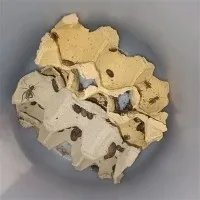

As a supplier of Hedgehog Dried Mealworms, I often receive inquiries from hedgehog owners about whether it's suitable to feed dried mealworms to hedgehogs kept in small enclosures. This is a crucial question that requires a comprehensive and scientific answer, considering the well - being of these adorable little creatures.
Nutritional Value of Dried Mealworms for Hedgehogs
Dried mealworms are a rich source of protein, which is essential for the growth, maintenance, and repair of a hedgehog's body tissues. Hedgehogs are insectivores by nature, and in the wild, they consume a variety of insects, including mealworms. Protein helps in building strong muscles, maintaining a healthy immune system, and supporting overall bodily functions.


In addition to protein, dried mealworms also contain fat, which provides a concentrated source of energy. Hedgehogs need energy to stay active, especially during their nocturnal foraging activities. The fat in mealworms can help them meet their energy requirements. Moreover, mealworms are a good source of vitamins and minerals such as vitamin B12, iron, and zinc, which are important for a hedgehog's health.
Advantages of Feeding Dried Mealworms in Small Enclosures
One of the main advantages of feeding dried mealworms to hedgehogs in small enclosures is convenience. Dried mealworms have a long shelf - life and do not require refrigeration, making them easy to store and use. They are also readily available and can be easily purchased from pet stores or online suppliers like us.
In a small enclosure, hedgehogs may have limited access to natural food sources. Dried mealworms can serve as a reliable and nutritious alternative. They can be scattered around the enclosure to encourage natural foraging behavior, which is important for a hedgehog's mental and physical stimulation. This mimics their natural hunting behavior in the wild and helps keep them active and engaged.
Potential Concerns
However, there are also some potential concerns when it comes to feeding dried mealworms to hedgehogs in small enclosures. One of the main issues is the high fat content of mealworms. If fed in excessive amounts, the high - fat diet can lead to obesity in hedgehogs. Obesity can cause a range of health problems, including joint issues, heart disease, and a shortened lifespan.
Another concern is the lack of variety in the diet. While dried mealworms are nutritious, they should not be the sole food source for hedgehogs. In a small enclosure, it may be more challenging to provide a diverse diet. Hedgehogs need a balanced diet that includes other insects, fruits, vegetables, and high - quality hedgehog food. A diet that is too heavy on dried mealworms can lead to nutritional imbalances over time.
Feeding Guidelines
To ensure the health of hedgehogs in small enclosures, it is important to follow proper feeding guidelines. Dried mealworms should be fed in moderation. As a general rule, mealworms should make up no more than 10 - 15% of a hedgehog's diet. For example, you can offer 2 - 3 dried mealworms a few times a week.
It is also essential to provide a variety of other foods. You can supplement the diet with fresh fruits and vegetables such as apples, bananas, carrots, and leafy greens. High - quality hedgehog food that is specifically formulated to meet their nutritional needs should also be a staple in their diet.
Other Considerations
When feeding dried mealworms in a small enclosure, it is important to ensure proper hygiene. Uneaten mealworms should be removed from the enclosure promptly to prevent the growth of bacteria and mold. You should also provide fresh water at all times, as hedgehogs need to stay hydrated.
It is also a good idea to monitor your hedgehog's weight and overall health regularly. If you notice any signs of obesity, such as difficulty moving or a rounder body shape, you may need to adjust the amount of dried mealworms you are feeding.
Our Product Range
As a supplier, we offer a wide range of Dried Mealworms suitable for hedgehogs. Our dried mealworms are carefully processed to ensure high quality and nutritional value. We also have Dried Mealworms for Chickens, which are of the same high - quality standard, although the feeding guidelines for chickens are different from those for hedgehogs.
Conclusion
In conclusion, it is possible to feed dried mealworms to hedgehogs in small enclosures, but it should be done with caution. Dried mealworms can be a nutritious and convenient addition to their diet, but they should not be overfed. By following the proper feeding guidelines and providing a balanced diet, you can ensure the health and well - being of your hedgehog.
If you are interested in purchasing our high - quality dried mealworms for your hedgehogs, we invite you to contact us for procurement and negotiation. We are committed to providing the best products and services to meet your needs.
References
- "The Hedgehog Handbook" by Pat Morris
- "Insects as Food for Small Mammals" in the Journal of Small Mammal Nutrition