



Hey there, fellow reptile and exotic pet enthusiasts! As a supplier of Frozen Pinkie Rats, I've been getting a ton of questions lately about the best way to transport these little critters. It's a crucial topic, especially since we want to make sure our customers receive their orders in top - notch condition. So, let's dive right in and explore the ins and outs of transporting frozen pinkie rats.
First off, let's talk about why proper transportation matters. Pinkie rats are a staple food source for many reptiles, amphibians, and birds of prey. They need to be kept frozen to maintain their nutritional value and prevent the growth of harmful bacteria. If they thaw during transit, it can lead to spoilage, which is not only a waste of money but also a potential health risk for your beloved pets.
Packaging Materials
When it comes to transporting Frozen Pinkie Rats, the right packaging materials are key. I always start with a sturdy, insulated box. You can find these at your local shipping supply store or order them online. Insulation is super important because it helps to keep the cold in and the heat out. A good quality box will have thick walls and a tight - fitting lid to minimize heat transfer.
Inside the box, I use high - quality ice packs. There are different types of ice packs available, but I prefer the ones that are specifically designed for shipping perishable items. These ice packs can stay frozen for a long time, providing a consistent source of cold. I usually place the ice packs on the bottom and sides of the box to create a cold barrier around the pinkie rats.
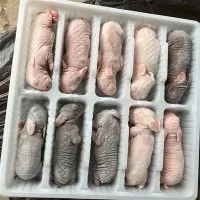
For the pinkie rats themselves, I pack them in sealed plastic bags. This not only keeps them from getting crushed but also prevents any leakage. I group the rats by size and quantity, making it easier for customers to identify and use them. You can check out our Frozen Pinkie Rats page on our website to see the different options we offer.
Shipping Methods
Now, let's discuss the shipping methods. I recommend using a reliable courier service that offers expedited shipping. Services like FedEx or UPS have temperature - controlled shipping options that are perfect for transporting frozen items. They have the expertise and equipment to ensure that your package stays cold throughout the journey.
When choosing a shipping method, consider the distance and the estimated delivery time. If the destination is far away, you might want to opt for overnight shipping to minimize the risk of thawing. Some courier services also offer tracking, which is great because you can keep an eye on your package and know exactly when it will arrive.
Another thing to keep in mind is the shipping schedule. Try to schedule your shipment so that it arrives on a weekday when someone will be available to receive it. This reduces the chances of the package sitting outside in the heat for an extended period.
Temperature Monitoring
To be extra sure that the pinkie rats stay frozen during transit, I use temperature monitoring devices. These small devices can be placed inside the box, and they record the temperature at regular intervals. Some of them even have Bluetooth connectivity, allowing you to monitor the temperature in real - time on your smartphone.
If the temperature starts to rise above a certain level, it could be a sign that there's a problem with the insulation or the ice packs. In such cases, you can take immediate action, like contacting the courier service to see if they can speed up the delivery or take additional measures to keep the package cold.
Handling at Destination
Once the package arrives at its destination, it's important to handle it properly. The recipient should immediately transfer the frozen pinkie rats to a freezer. If there's a delay in getting the rats into the freezer, make sure to keep the box in a cool place, away from direct sunlight and heat sources.
It's also a good idea to inspect the package upon arrival. Check for any signs of damage, such as a broken box or leaking ice packs. If you notice any issues, contact the supplier right away. At our company, we're always ready to help and ensure that you receive a replacement if necessary.


Special Considerations
There are a few special considerations when transporting frozen pinkie rats. For example, if you're shipping internationally, you need to be aware of the customs regulations of the destination country. Some countries have strict rules about importing frozen animal products, so it's important to do your research beforehand.
Also, if you're shipping to areas with extreme weather conditions, like very hot or very cold climates, you might need to adjust your packaging and shipping methods accordingly. In extremely hot climates, you might need to use more ice packs or a thicker - walled box. In cold climates, you still need to ensure that the rats don't get too cold, as extreme cold can also affect their quality.
Comparing with Other Products
We also offer Pinks Rats and Small White Rats in addition to frozen pinkie rats. The transportation methods for these products are similar, but there are some differences. Pinks rats are slightly larger than pinkie rats, so you might need to adjust the packaging to accommodate their size. Small white rats are even bigger, and they might require more ice packs and a larger box for proper insulation.
Conclusion
In conclusion, the best way to transport frozen pinkie rats involves using the right packaging materials, choosing a reliable shipping method, monitoring the temperature, and handling the package properly at the destination. By following these steps, you can ensure that your frozen pinkie rats arrive in perfect condition, ready to be a delicious and nutritious meal for your pets.
If you're interested in purchasing Frozen Pinkie Rats, Pinks Rats, or Small White Rats, I encourage you to reach out to us for more information and to start a procurement discussion. We're always happy to help and make sure you get the best products for your pets.
References
- Shipping guidelines from FedEx and UPS
- Research on perishable item transportation
- Industry best practices for transporting frozen animal products