



Hey there, fellow reptile enthusiasts! I'm a supplier of frozen rats for reptiles, and I often get asked, "How do I know if my reptile is getting enough nutrients from frozen rats?" Well, let's dive right into this topic and figure it out together.
First off, it's important to understand why frozen rats are such a popular choice for feeding reptiles. They're convenient, easy to store, and they can provide a balanced diet for many reptile species. But just like with any food source, we need to make sure our scaly friends are getting all the nutrients they need.
Understanding the Nutritional Needs of Reptiles
Reptiles have different nutritional requirements depending on their species, age, size, and activity level. For example, carnivorous reptiles like snakes and some lizards need a diet high in protein. Protein is essential for growth, muscle development, and overall health. Calcium is another crucial nutrient, especially for reptiles with bones and shells. It helps maintain strong bones and proper muscle function. Vitamin D3 is also important as it aids in calcium absorption.


When it comes to frozen rats, they're a great source of protein. Rats are small mammals, and their meat contains all the essential amino acids that reptiles need. But what about other nutrients like calcium and vitamins? Well, the nutritional content of a frozen rat can vary depending on its age and diet before it was frozen.
Factors Affecting Nutritional Content
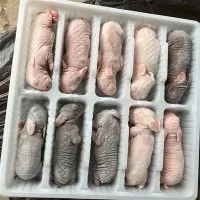
The age of the rat plays a significant role in its nutritional value. Suckling Mouse are very young and have a different nutrient profile compared to adult rats. Suckling mice are softer and easier for smaller reptiles to digest. They're also relatively high in fat, which can be a good energy source for some reptiles. You can check out more about suckling mice here.
As rats grow older, their muscle mass increases, and so does the protein content. Arctic Mice Frozen Rats are a specific type of frozen rodent that might have a different nutritional makeup due to their diet and environment. They could potentially have a higher fat content, which might be beneficial for reptiles in colder environments or those with higher energy requirements. You can learn more about Arctic mice frozen rats here.
Small White Rats are another option. They're a popular choice for medium-sized reptiles. They offer a good balance of protein, fat, and other nutrients. If you're interested in small white rats, you can find more information here.
Signs That Your Reptile is Getting Enough Nutrients
So, how can you tell if your reptile is getting enough nutrients from frozen rats? Here are some signs to look out for:
1. Healthy Appearance
A well-nourished reptile will have a healthy, shiny skin or scales. Their eyes should be clear and bright, and their body should be well-proportioned. If your reptile looks dull, has flaky skin, or seems to be losing weight, it could be a sign that they're not getting enough nutrients.
2. Good Appetite
A reptile that's getting enough nutrients will generally have a good appetite. They'll eagerly accept their frozen rat meals and show normal feeding behavior. If your reptile suddenly loses interest in food or seems reluctant to eat, it might be a sign that something's wrong with their diet.
3. Normal Growth and Development
Young reptiles need proper nutrition to grow and develop correctly. If your juvenile reptile is growing at a steady pace, has a healthy body size, and is reaching developmental milestones, it's a good indication that they're getting enough nutrients from their frozen rat diet.
4. Strong Bones and Muscles
Reptiles with strong bones and muscles are more active and have better mobility. You can observe your reptile's movement and see if they're able to climb, swim, or move around without any difficulty. If you notice any signs of weakness or difficulty in movement, it could be due to a lack of calcium or other essential nutrients.
Signs of Nutritional Deficiencies
On the flip side, there are also signs that your reptile might not be getting enough nutrients:
1. Metabolic Bone Disease (MBD)
MBD is a common problem in reptiles that are not getting enough calcium or vitamin D3. Symptoms include soft or deformed bones, difficulty moving, and a lack of coordination. If you suspect your reptile has MBD, it's important to consult a veterinarian immediately.
2. Poor Skin Condition
A reptile with a nutritional deficiency might have dry, flaky skin or skin infections. This could be due to a lack of essential fatty acids or other nutrients in their diet.
3. Weight Loss
Unexplained weight loss is a clear sign that your reptile is not getting enough nutrients. It could be due to a variety of reasons, including an improper diet or a health issue.
Ensuring Your Reptile Gets Enough Nutrients
To make sure your reptile is getting all the nutrients they need from frozen rats, here are some tips:
1. Choose the Right Size and Type of Rat
Select the appropriate size and type of frozen rat based on your reptile's species, age, and size. Smaller reptiles might need suckling mice or small white rats, while larger reptiles can handle adult rats.
2. Variety in Diet
While frozen rats can be a staple in your reptile's diet, it's also a good idea to offer some variety. You can supplement their diet with other frozen rodents, insects, or even some fruits and vegetables if appropriate for your reptile species.
3. Supplementation
In some cases, you might need to supplement your reptile's diet with additional vitamins and minerals. Calcium and vitamin D3 supplements are commonly used to prevent MBD. However, it's important to follow the recommended dosage and consult a veterinarian if you're unsure.
Conclusion
Figuring out if your reptile is getting enough nutrients from frozen rats can be a bit tricky, but by paying attention to your reptile's appearance, behavior, and growth, you can get a good idea. As a supplier of frozen rats for reptiles, I'm always here to help you make the right choices for your scaly friends.
If you're interested in purchasing high-quality frozen rats for your reptiles, don't hesitate to reach out for a procurement negotiation. We offer a wide range of frozen rodents, including suckling mice, Arctic mice frozen rats, and small white rats, to meet the diverse needs of your reptiles.
References
- "Reptile Nutrition" by the Association of Reptile and Amphibian Veterinarians.
- "Feeding Your Reptile" by various reptile care guides.