



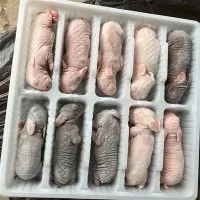
Hey there! I'm a supplier of Frozen Pup Rats, and I know there are times when you might not have a microwave handy to thaw these little critters. No worries, though! I've got some great methods that are both safe and effective.
First off, let's talk about why you might need to thaw Frozen Pup Rats. If you're a reptile owner, you know that many snakes, lizards, and other reptiles rely on these frozen rodents as a staple part of their diet. But you can't just toss a frozen rat into your pet's enclosure. It needs to be thawed properly to ensure it's safe and palatable for your scaly friend.
Thawing in the Refrigerator
One of the safest and most straightforward ways to thaw Frozen Pup Rats without a microwave is by using your refrigerator. It's a slow process, but it's also the most controlled, which helps prevent the growth of harmful bacteria.
Here's how you do it:
- Take the Frozen Pup Rats out of the freezer and place them in a sealed plastic bag. This helps contain any potential drips and keeps your fridge clean.
- Put the bagged rats on a plate or in a shallow container. This is just an extra precaution in case there are any leaks.
- Place the plate or container in the refrigerator. Make sure it's on a lower shelf where it won't contaminate other food items.
- Let the rats thaw slowly in the fridge. Depending on the size of the rats, this can take anywhere from 12 to 24 hours. Smaller rats will thaw faster, while larger ones, like the Frozen Jumbo Rat, will take longer.
The advantage of using the refrigerator is that it keeps the temperature of the rats low enough to prevent bacterial growth. However, it does take a long time, so you need to plan ahead. If you forget to take the rats out of the freezer the night before, you might be in a bit of a bind.
Thawing in Cold Water
If you're short on time and don't have a microwave, thawing in cold water is a good alternative. It's faster than using the refrigerator, but you need to be more careful to prevent bacterial growth.
Here's the process:
- Again, place the Frozen Pup Rats in a sealed plastic bag. This is crucial to keep the water clean and prevent any contamination.
- Fill a large bowl or sink with cold water. Make sure the water is cold because warm or hot water can promote the growth of bacteria.
- Submerge the bagged rats in the cold water. You can use a plate or a weight to keep them underwater if they tend to float.
- Change the water every 30 minutes. This helps maintain a consistent temperature and speeds up the thawing process.
- Depending on the size of the rats, they should thaw in 1 to 3 hours. Smaller rats, like Pinks Mouse, will thaw faster, while larger ones will take longer.
Once the rats are thawed, you should use them immediately. Don't let them sit in the water for too long after they're thawed, as this can also lead to bacterial growth.
Thawing at Room Temperature
Thawing at room temperature is the fastest method, but it's also the riskiest. Bacteria can multiply rapidly at room temperature, so you need to be very careful.
Here's what you can do:
- Place the Frozen Pup Rats on a clean plate or in a shallow container.
- Leave them at room temperature. Check them frequently to see how they're thawing.
- This method can take anywhere from 30 minutes to 2 hours, depending on the size of the rats.
However, I don't recommend this method unless you're in a real emergency. It's just too easy for bacteria to grow, and you don't want to risk making your pet sick.
Tips for Safe Thawing
No matter which method you choose, there are some general tips to keep in mind for safe thawing:
- Always use a sealed plastic bag to contain the rats. This helps prevent contamination and makes cleanup easier.
- Wash your hands thoroughly before and after handling the Frozen Pup Rats. This reduces the risk of spreading bacteria.
- Don't refreeze thawed rats. Once they're thawed, they should be used immediately. Refreezing can change the texture and quality of the meat and can also increase the risk of bacterial growth.
- If you notice any signs of spoilage, such as a bad odor or a slimy texture, don't use the rats. Throw them away immediately.
Our Product Range
As a supplier of Frozen Pup Rats, I'm proud to offer a wide range of products to meet your needs. In addition to the standard Frozen Pup Rats, we also have Frozen Jumbo Rat for larger reptiles. These jumbo rats are a great source of nutrition for big snakes and lizards.
We also have Pinks Mouse, which are perfect for smaller reptiles and baby snakes. These pinkies are soft and easy to digest, making them an ideal food source for young reptiles.
And if you're looking for something a little different, we have Arctic Mice Frozen Rats. These rats are raised in a special environment, which gives them a unique flavor and nutritional profile.
Contact Us for Purchasing
If you're interested in purchasing our Frozen Pup Rats or any of our other products, we'd love to hear from you. Whether you're a pet store owner, a reptile breeder, or just a hobbyist, we can provide you with high-quality frozen rodents at competitive prices.


We understand the importance of proper storage and handling of our products, and we take every precaution to ensure that our Frozen Pup Rats are safe and fresh when they reach you. So, if you have any questions about our products or the thawing process, don't hesitate to reach out.
Let's work together to keep your reptiles happy and healthy!
References
- "Safe Handling of Frozen Rodents for Reptiles." Reptile Care Journal.
- "Thawing Methods for Frozen Pet Food." Pet Nutrition Magazine.