




As a supplier of Frozen Rats for Reptiles, I often get asked the question: "Can I feed frozen rats to my crocodilian?" This is a valid concern, as the diet of crocodilians is a crucial aspect of their health and well - being. In this blog, I'll delve into the science behind feeding frozen rats to crocodilians, explore the pros and cons, and offer some guidance on the matter.
Understanding Crocodilian Diet in the Wild
Crocodilians are apex predators with a diverse diet in the wild. Their natural diet includes fish, crustaceans, birds, mammals, and other reptiles. They are opportunistic feeders, meaning they will consume whatever prey is available in their habitat. The variety in their diet provides them with a wide range of nutrients, including proteins, fats, vitamins, and minerals.
For example, Nile crocodiles are known to take down large mammals such as wildebeests and zebras when the opportunity arises. American alligators, on the other hand, commonly eat fish, turtles, and small mammals. This natural diet is rich in nutrients that are essential for their growth, reproduction, and overall health.
The Case for Feeding Frozen Rats
There are several reasons why feeding frozen rats to crocodilians can be a good option. Firstly, frozen rats are a convenient food source. They can be easily stored in a freezer and thawed when needed. This is especially beneficial for crocodilian owners who may not have easy access to live prey or who want to avoid the risks associated with handling live animals.
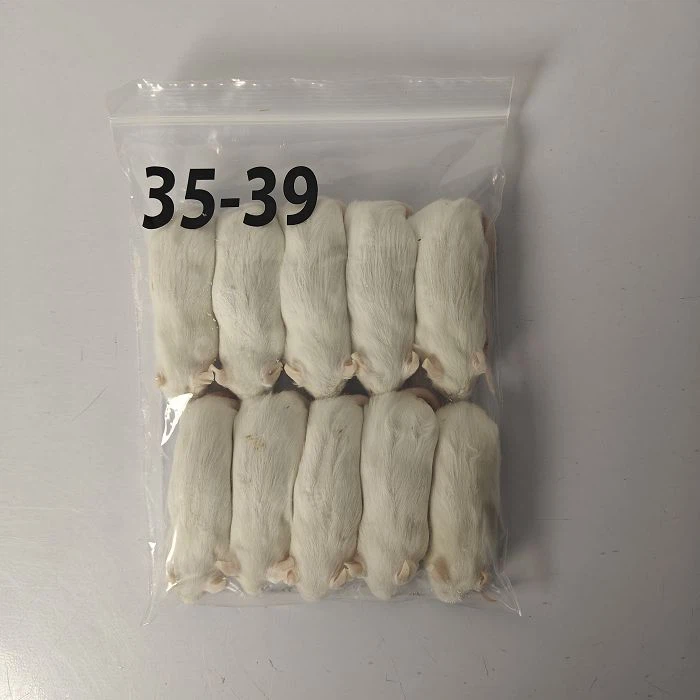
Secondly, frozen rats can be a more consistent source of nutrition. When you purchase frozen rats from a reputable supplier like us, you can be assured that they have been properly processed and are free from diseases and parasites. Our Small White Rats are carefully selected and prepared to meet the nutritional needs of reptiles and crocodilians.
In addition, feeding frozen rats can also be a safer option for both the crocodilian and the owner. Live prey can fight back and potentially injure the crocodilian, causing wounds that may become infected. By using frozen rats, you eliminate this risk.
Nutritional Value of Frozen Rats
Frozen rats are a rich source of protein, which is essential for the growth and maintenance of muscle tissue in crocodilians. They also contain fats, which provide energy. Moreover, rats are a good source of vitamins and minerals such as calcium, phosphorus, and vitamin A.
Calcium is particularly important for crocodilians, as it is necessary for the development and maintenance of strong bones and teeth. Phosphorus works in conjunction with calcium to support bone health. Vitamin A is crucial for maintaining good vision, a healthy immune system, and proper skin function.
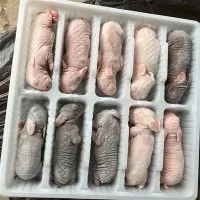
Our Frozen Pinks Mouse are an excellent option for younger crocodilians or those with smaller appetites. They are a good source of nutrients in a more manageable size.
Preparing Frozen Rats for Feeding
When feeding frozen rats to your crocodilian, it's important to thaw them properly. You should never feed a frozen rat directly to your crocodilian, as this can cause digestive problems. To thaw a frozen rat, place it in a sealed plastic bag and submerge it in lukewarm water. Do not use hot water, as this can cook the outer layer of the rat while the inside remains frozen.
It usually takes about 30 minutes to an hour for a small rat to thaw completely. Once thawed, make sure the rat is at room temperature before offering it to your crocodilian. You can use tongs to present the rat to your crocodilian, mimicking the movement of live prey as closely as possible.
Potential Concerns
While there are many benefits to feeding frozen rats to crocodilians, there are also some potential concerns. One concern is that crocodilians may lose their natural hunting instincts if they are only fed frozen prey. In the wild, hunting is not only a means of obtaining food but also a form of exercise and mental stimulation.
To address this issue, you can try to alternate between feeding frozen rats and providing some form of enrichment, such as hiding the thawed rat in the enclosure to encourage the crocodilian to search for it.

Another concern is that some crocodilians may be reluctant to accept frozen rats at first. This is especially true for crocodilians that have been previously fed live prey. In such cases, you may need to be patient and gradually introduce the frozen rats. You can start by rubbing the frozen rat with a small amount of blood or other attractants to make it more appealing.
Feeding Frequency
The frequency of feeding frozen rats to your crocodilian depends on several factors, including the age, size, and species of the crocodilian. Younger crocodilians generally require more frequent feedings than adults, as they are growing rapidly.
As a general rule, juvenile crocodilians may need to be fed every 2 - 3 days, while adult crocodilians can be fed once a week or less. However, it's important to monitor your crocodilian's body condition and adjust the feeding frequency accordingly. If your crocodilian is gaining too much weight, you may need to reduce the feeding frequency.
Quality of Frozen Rats
As a supplier, we understand the importance of providing high - quality frozen rats. Our White Fluffy Rat are raised in a clean and controlled environment. We ensure that they are fed a balanced diet to ensure optimal nutritional value.
We also follow strict processing and storage procedures to maintain the quality of the frozen rats. They are flash - frozen to preserve the nutrients and prevent the growth of bacteria.
Conclusion
In conclusion, feeding frozen rats to your crocodilian can be a viable option, offering convenience, safety, and a consistent source of nutrition. However, it's important to be aware of the potential concerns and take appropriate measures to ensure the well - being of your crocodilian.
If you're interested in purchasing high - quality frozen rats for your crocodilian, we're here to help. We have a wide range of frozen rat products to meet the needs of different crocodilian owners. Whether you need Small White Rats, Frozen Pinks Mouse, or White Fluffy Rat, we can provide you with the best products.
If you have any questions or would like to discuss your specific requirements, feel free to reach out to us. We're happy to assist you in making the right choice for your crocodilian's diet.
References
- "Crocodilian Biology and Husbandry" by the Crocodile Specialist Group
- "Nutritional Requirements of Reptiles" by the National Research Council