



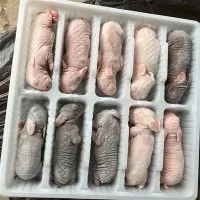
Hey there, fellow reptile enthusiasts! I'm a supplier of Frozen Rats for Reptiles, and I know how crucial it is to ensure that the frozen rat is completely thawed before feeding it to your scaly friends. In this blog, I'll share some tips and tricks on how to make sure the frozen rat is ready for mealtime.
First things first, why is it so important to thaw the frozen rat completely? Well, feeding a partially thawed or still-frozen rat to your reptile can lead to a bunch of problems. For starters, it can be difficult for your reptile to digest, which might cause constipation or other digestive issues. Also, a cold rat can lower your reptile's body temperature, especially if they're cold-blooded, and that can mess with their metabolism and overall health.
So, how do we go about thawing the frozen rat properly? There are a few methods you can use, and I'll break them down for you.
Refrigerator Thawing
This is my go-to method because it's the safest and most consistent way to thaw a frozen rat. All you need to do is take the frozen rat out of the freezer and place it in the refrigerator. The slow thawing process in the fridge helps to maintain the quality of the meat and reduces the risk of bacterial growth.
It usually takes about 24 hours for a medium-sized rat to thaw completely in the fridge. If you're in a hurry, you can speed up the process a bit by placing the rat in a sealed plastic bag and submerging it in cold water. Just make sure to change the water every 30 minutes to keep it cold.
One thing to keep in mind is that you should never thaw a frozen rat at room temperature. This can cause the outer layer of the rat to reach a temperature where bacteria can start to grow, while the inside is still frozen. It's a recipe for disaster!
Warm Water Thawing
If you're short on time and need to thaw the rat quickly, you can use the warm water method. Fill a large bowl or sink with warm water (not hot!) and place the frozen rat in a sealed plastic bag. Submerge the bag in the water and let it sit for about 30 minutes to an hour, depending on the size of the rat.
Make sure to stir the water occasionally to ensure that the rat thaws evenly. You can also use a thermometer to check the temperature of the water. It should be around 80-90°F (27-32°C). Once the rat is thawed, take it out of the water and pat it dry with a paper towel.
The warm water method is a bit riskier than refrigerator thawing because there's a higher chance of bacterial growth if the water isn't kept at the right temperature. But if you're careful and follow the steps, it can be a quick and effective way to thaw a rat.
Microwave Thawing
I don't recommend using the microwave to thaw a frozen rat. Microwaves heat food unevenly, which can lead to some parts of the rat being overcooked while others are still frozen. This can also cause the meat to lose its nutritional value and texture.
If you absolutely have to use the microwave, make sure to use the defrost setting and check the rat frequently to prevent it from cooking. You can also rotate the rat halfway through the defrosting process to ensure that it thaws evenly. But again, this method is not ideal and should only be used as a last resort.

How to Tell if the Rat is Completely Thawed
Now that you know how to thaw a frozen rat, how do you tell if it's completely thawed? There are a few ways to check.
First, you can feel the rat with your hands. If it's completely thawed, it should be soft and pliable. You should be able to bend it easily without any resistance. If there are still any hard or icy spots, it's not fully thawed.
You can also use a thermometer to check the internal temperature of the rat. The temperature should be around 37°C (98.6°F), which is the normal body temperature of a rat. If the temperature is lower than this, it's not fully thawed.
Another way to check is to cut into the rat. If the meat is pink and juicy, it's fully thawed. If it's still pink on the outside but white or gray on the inside, it's not fully thawed.
Tips for Feeding Thawed Rats
Once the rat is completely thawed, it's time to feed it to your reptile. Here are a few tips to keep in mind:
- Wash your hands: Before handling the thawed rat, make sure to wash your hands thoroughly with soap and water. This helps to prevent the spread of bacteria.
- Use tongs or forceps: To avoid getting bitten by your reptile, use tongs or forceps to hold the rat and offer it to your pet. This also helps to keep your hands clean.
- Observe your reptile: Watch your reptile closely while it's eating to make sure it's swallowing the rat properly. If you notice any signs of choking or difficulty swallowing, stop feeding immediately and seek veterinary advice.
- Dispose of any uneaten food: If your reptile doesn't eat the entire rat, make sure to remove the uneaten portion from the enclosure. Leaving uneaten food in the enclosure can attract pests and bacteria.
Conclusion
Thawing a frozen rat properly is an important part of feeding your reptile. By following the methods and tips I've shared in this blog, you can ensure that the rat is completely thawed and safe for your pet to eat.
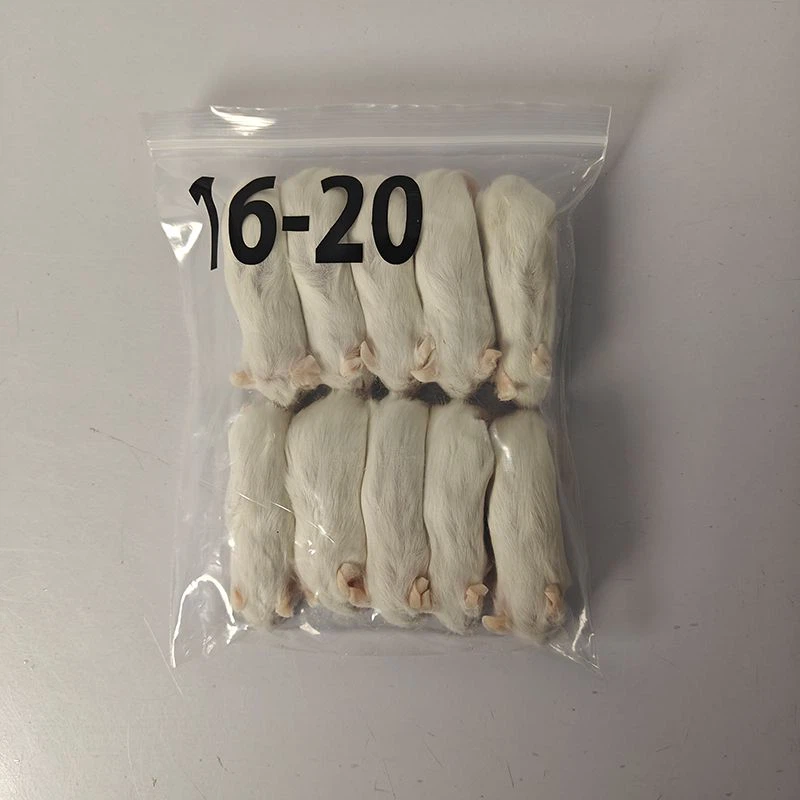
If you're in the market for high-quality frozen rats for your reptiles, we've got you covered. We offer a wide range of frozen rodents, including Frozen Pinks Mice, Pinks Rats, and Pinks Mouse. Our products are carefully sourced and stored to ensure the best quality and freshness.
If you have any questions or would like to discuss your reptile feeding needs, feel free to reach out. We're here to help you provide the best care for your scaly friends.
References
- "Feeding Your Reptile: The Basics." Reptiles Magazine.
- "Thawing Frozen Rodents for Reptiles." The Spruce Pets.