



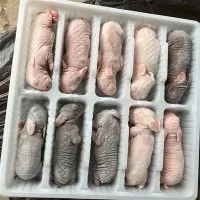
As a supplier of frozen rats for snakes, I often receive inquiries from snake owners about how to make frozen rats more appealing to their slithery companions. In this blog post, I'll share some insights and strategies that can help you entice your snake to accept frozen prey.
Understanding Snake Feeding Behavior
Before we delve into the methods of making frozen rats more appealing, it's crucial to understand the natural feeding behavior of snakes. Snakes are ectothermic predators, relying on their sense of smell, heat detection, and vision to locate and capture prey. In the wild, they typically hunt live prey, which moves, emits heat, and releases specific scents that trigger the snake's hunting instincts.
When it comes to feeding snakes in captivity, frozen rats are a convenient and safe alternative to live prey. However, getting a snake to accept frozen prey can sometimes be a challenge, especially for picky eaters or snakes that have been previously fed live prey.
Thawing Frozen Rats Properly
The first step in making frozen rats more appealing to your snake is to thaw them properly. Improper thawing can lead to a loss of scent and texture, making the prey less attractive to the snake. Here's how you can thaw frozen rats safely and effectively:
- Cold Water Thawing: Place the frozen rat in a sealed plastic bag and submerge it in cold water. Change the water every 30 minutes to ensure even thawing. This method typically takes 1-2 hours, depending on the size of the rat.
- Room Temperature Thawing: If you're short on time, you can thaw the rat at room temperature. However, this method should be used with caution, as it can increase the risk of bacterial growth. Make sure to monitor the rat closely and discard it if it shows any signs of spoilage.
- Warm Water Thawing: Avoid using warm or hot water to thaw frozen rats, as this can cause the meat to cook on the outside while remaining frozen on the inside. It can also destroy the natural scent and texture of the prey.
Once the rat is fully thawed, gently pat it dry with a paper towel to remove any excess moisture.
Enhancing the Scent of Frozen Rats
Snakes rely heavily on their sense of smell to detect and identify prey. By enhancing the scent of frozen rats, you can make them more appealing to your snake. Here are some ways to do this:
- Scenting with Prey Scent: You can purchase commercial prey scents from pet stores or online retailers. These scents are specifically formulated to mimic the natural odor of live prey and can be applied to the frozen rat using a dropper or spray bottle. Simply apply a small amount of scent to the rat's body, focusing on the head and neck area.
- Scenting with Natural Ingredients: Some snake owners prefer to use natural ingredients to scent frozen rats. For example, you can rub the rat with a piece of fresh prey, such as a mouse or a rat, to transfer its scent. You can also soak the rat in a solution of chicken broth or tuna juice for a few minutes to enhance its aroma.
- Using Scent Trails: Another way to entice your snake to eat frozen rats is to create a scent trail leading to the prey. You can do this by rubbing a small amount of prey scent or natural ingredient on a piece of string or fishing line and dragging it along the floor of the snake's enclosure towards the rat.
Creating the Illusion of Live Prey
In addition to enhancing the scent of frozen rats, you can also create the illusion of live prey to stimulate your snake's hunting instincts. Here are some techniques you can try:
- Using Feeding Tongs: When offering the frozen rat to your snake, use feeding tongs to mimic the movement of live prey. Gently wiggle the rat in front of the snake's face, simulating the movement of a struggling animal. This can trigger the snake's predatory response and make it more likely to strike.
- Moving the Prey: If your snake is hesitant to eat the frozen rat, you can try moving it around the enclosure to create the illusion of movement. You can do this by using a long stick or a piece of string to drag the rat across the floor or up and down the walls of the enclosure.
- Adding Movement with a Motorized Feeder: For more active snakes, you can invest in a motorized feeder that can move the frozen rat in a realistic manner. These feeders typically use a small motor to rotate or vibrate the prey, creating the illusion of live movement.
Considering the Size and Type of Prey
The size and type of prey you offer to your snake can also affect its willingness to eat. Snakes have different dietary preferences and requirements, depending on their species, age, and size. Here are some tips to help you choose the right prey for your snake:


- Size Matters: Make sure to choose a frozen rat that is appropriate for the size of your snake. A prey item that is too large can be difficult for the snake to swallow and may cause digestive problems. On the other hand, a prey item that is too small may not provide enough nutrition for the snake.
- Variety is Key: Offering a variety of prey items can help keep your snake interested in its food. In addition to frozen rats, you can also offer other types of frozen prey, such as Pinks Mouse, Frozen Pinkie Rats, and Suckling Mouse. This can help prevent your snake from becoming bored with its diet and may increase its appetite.
- Consider the Snake's Species: Different snake species have different dietary preferences and requirements. Some snakes, such as ball pythons, prefer to eat rodents, while others, such as corn snakes, may also eat birds, lizards, or frogs. Make sure to research the specific dietary needs of your snake species and choose the appropriate prey accordingly.
Providing a Comfortable Feeding Environment
Finally, it's important to provide a comfortable and stress-free feeding environment for your snake. Snakes are sensitive to their surroundings and may be less likely to eat if they feel threatened or uncomfortable. Here are some tips to help you create a suitable feeding environment:
- Use a Separate Feeding Container: Some snake owners prefer to feed their snakes in a separate container to prevent them from associating the main enclosure with food. This can help reduce stress and aggression during feeding time.
- Dim the Lights: Snakes are nocturnal animals and may be more comfortable feeding in a dimly lit environment. You can turn off the lights in the snake's enclosure or use a red or blue light to create a more natural feeding environment.
- Avoid Disturbing the Snake: During feeding time, it's important to avoid disturbing the snake or making sudden movements. This can startle the snake and cause it to lose its appetite.
Conclusion
Making frozen rats more appealing to your snake requires a combination of proper thawing, scent enhancement, creating the illusion of live prey, choosing the right size and type of prey, and providing a comfortable feeding environment. By following these tips and techniques, you can increase the chances of your snake accepting frozen prey and ensure its health and well-being.
If you're a snake owner looking for high-quality frozen rats for your pet, I invite you to contact me to discuss your procurement needs. I'm committed to providing the best products and services to my customers and would be happy to help you find the right prey for your snake.
References
- Barker, D., & Barker, T. (2008). Manual of Exotic Pet Practice. Elsevier Health Sciences.
- Mader, D. R. (2019). Reptile Medicine and Surgery - E-Book. Elsevier Health Sciences.
- Stahl, S. S. (2013). Clinical Medicine and Surgery of Reptiles: An Introduction. Elsevier Health Sciences.