



As a supplier of frozen rats, I often receive inquiries from customers about the best methods to defrost these frozen prey items without using a microwave. This is a crucial topic, as improper defrosting can not only affect the quality of the frozen rats but also pose risks to the health of the animals that will consume them. In this blog, I'll share several effective and safe ways to defrost frozen rats without a microwave, based on my experience in the industry.
Why Avoid Using a Microwave?
Before delving into the defrosting methods, it's important to understand why many people choose to avoid using a microwave. Microwaves heat food unevenly, which can lead to parts of the rat being over - cooked while other parts remain frozen. This uneven heating can create hotspots that destroy the nutritional value of the prey and may also lead to the growth of harmful bacteria. Additionally, microwaving can cause the outer layer of the rat to become tough and unappetizing for the animals that will eat it.


Method 1: Refrigerator Defrosting
The refrigerator is one of the safest and most recommended ways to defrost frozen rats. This method is slow but ensures an even thaw, preserving the nutritional integrity of the prey.
To defrost using a refrigerator:
- Place the frozen rat in a sealed plastic bag. This helps prevent any potential leakage of fluids that could contaminate other food items in the refrigerator.
- Put the bagged rat on a plate or in a shallow container to catch any drips.
- Place the container in the refrigerator. Depending on the size of the rat, defrosting can take anywhere from 12 to 24 hours. Smaller rats, such as Pinks Rats, may take less time, while larger ones will require more.
- Once fully defrosted, the rat can be removed from the refrigerator and used immediately. If you're not ready to use it right away, you can keep it in the refrigerator for an additional day or two.
The main advantage of refrigerator defrosting is that it mimics the natural thawing process, keeping the rat in a cool environment where bacteria growth is minimized. However, the long defrosting time can be a drawback if you need to feed your snake or other predator on short notice.
Method 2: Cold Water Defrosting
If you need to defrost a rat more quickly than the refrigerator method allows, cold water defrosting is a viable option.
Here's how to do it:
- Put the frozen rat in a sealed plastic bag to prevent water from getting inside.
- Fill a large bowl or sink with cold water.
- Submerge the bagged rat in the cold water. Make sure the water completely covers the rat.
- Change the water every 30 minutes. This helps maintain a consistent temperature and speeds up the defrosting process.
- Depending on the size of the rat, it can take 1 - 3 hours to defrost. Smaller prey items like Suckling Mouse will defrost faster than larger frozen rats.
- Once defrosted, thoroughly dry the rat with a paper towel before offering it to your pet.
Cold water defrosting is faster than refrigerator defrosting but still keeps the rat at a relatively low temperature, reducing the risk of bacterial growth. However, it requires more attention as you need to change the water regularly.
Method 3: Room Temperature Defrosting
Room temperature defrosting is the quickest method, but it also comes with the highest risk of bacterial growth. It should only be used in emergencies when other options are not available.
To defrost at room temperature:
- Place the frozen rat in a sealed plastic bag.
- Put the bag on a plate and leave it at room temperature.
- Check the rat frequently. Smaller rats may defrost in as little as 30 minutes, while larger ones can take 1 - 2 hours.
- As soon as the rat is defrosted, use it immediately. Do not leave it at room temperature for an extended period.
This method should be used sparingly because bacteria can multiply rapidly at room temperature. If the rat is left out for too long, it can become a health hazard for the animal that will consume it.
Tips for Defrosting
- Size Matters: Always consider the size of the frozen rat when choosing a defrosting method. Smaller rats will defrost more quickly than larger ones.
- Hygiene: Keep all surfaces and utensils clean during the defrosting process. Wash your hands thoroughly before and after handling the frozen rats to prevent the spread of bacteria.
- Inspect the Rat: Before feeding the defrosted rat to your pet, inspect it for any signs of spoilage, such as an off - smell or unusual discoloration. If you notice anything suspicious, discard the rat.
Our Product Range
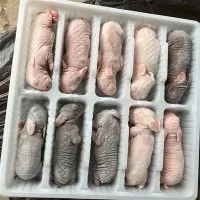
At our supply, we offer a wide variety of frozen prey items, including Frozen Rats for Snake, Pinks Rats, and Suckling Mouse. All our products are carefully frozen and packaged to ensure the highest quality and nutritional value.
Whether you're a reptile enthusiast or a professional breeder, our frozen rats are an ideal choice for feeding your snakes, lizards, or other carnivorous pets. We understand the importance of proper defrosting, and we hope the methods described in this blog will help you make the most of our products.
Contact Us for Procurement
If you're interested in purchasing our frozen rats or have any questions about defrosting or our product range, we'd love to hear from you. We're committed to providing the best products and services to our customers. Reach out to us for more information and to start a procurement discussion.
References
- "Feeding Your Reptile: Best Practices for Frozen Prey", Journal of Herpetological Husbandry
- "Food Safety Guidelines for Frozen Prey Items", National Animal Health Institute