



Can I Feed Frozen Rats to My Skink?
As a supplier of frozen rats for reptiles, I often receive questions from reptile owners about the appropriate diet for their beloved pets. One common query is whether it's safe and suitable to feed frozen rats to skinks. In this blog post, I'll delve into the topic to provide you with a comprehensive understanding of this matter.

Understanding Skinks
Skinks are a diverse group of lizards that belong to the family Scincidae. They come in various sizes, colors, and habitats, with over 1,500 species worldwide. Some skinks are terrestrial, while others are arboreal or semi - aquatic. Their diet in the wild can vary significantly depending on the species.
Most skinks are omnivores, which means they eat a combination of plant matter and animal protein. Insects, worms, small invertebrates, and occasionally small vertebrates make up a part of their diet. However, the proportion of animal protein and plant matter can differ greatly between species. For example, some desert - dwelling skinks may rely more on insects due to the scarcity of plant resources, while forest - dwelling skinks might have a more balanced diet.
Nutritional Requirements of Skinks
Skinks require a balanced diet to maintain good health. Protein is essential for growth, tissue repair, and overall body function. Fats provide energy, and vitamins and minerals are crucial for various physiological processes such as bone development, immune function, and vision.
Animal - based proteins are a great source of essential amino acids that skinks need. In the wild, they obtain these from insects, small rodents, and other small animals. When it comes to providing a captive diet, replicating this natural nutritional profile is important.
Frozen Rats as a Food Source
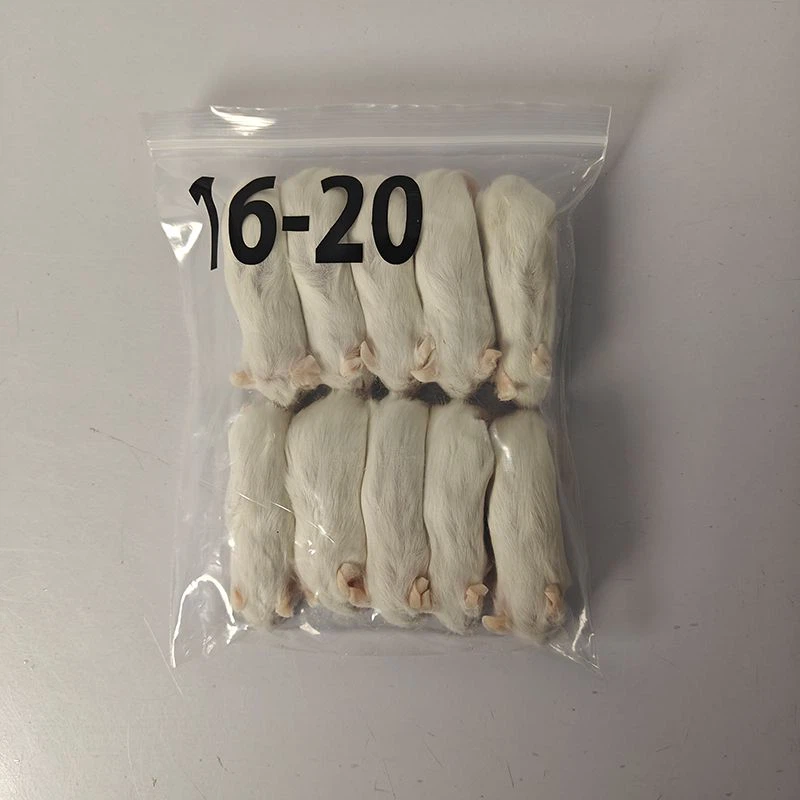
Frozen rats can be a potential food source for some larger skink species. Rats are rich in protein, fat, and other nutrients. They offer a more substantial meal compared to insects, which can be beneficial for skinks that need a higher - calorie diet.
However, not all skinks can handle frozen rats. Smaller skink species may have difficulty consuming and digesting rats due to their size. The bones in rats can also pose a choking hazard or cause internal damage if the skink is not large enough to properly break them down.
Advantages of Feeding Frozen Rats
- Convenience: Frozen rats are readily available and can be stored in the freezer for an extended period. This eliminates the need to constantly source live prey, which can be time - consuming and sometimes difficult to find.
- Safety: Feeding frozen rats reduces the risk of injury to the skink that can occur when feeding live prey. Live rodents may fight back and bite or scratch the skink, causing serious wounds.
- Nutritional Consistency: Frozen rats are typically bred and raised under controlled conditions, ensuring a more consistent nutritional profile compared to wild - caught prey.
Disadvantages of Feeding Frozen Rats
- Size Compatibility: As mentioned earlier, not all skinks can handle the size of rats. Feeding a rat that is too large can lead to health problems.
- Lack of Enrichment: Live prey provides some level of enrichment as the skink has to hunt and capture it. With frozen rats, this natural behavior is lost.
Species - Specific Considerations
Some larger skink species, such as the blue - tongue skink, can potentially eat frozen rats. Blue - tongue skinks are known to be opportunistic feeders in the wild and can consume small vertebrates. However, even for these larger skinks, it's important to start with appropriately sized rats.
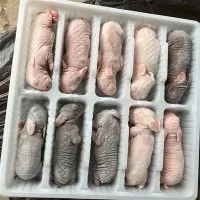
For smaller skink species like the five - lined skink, frozen rats are not a suitable food source. These skinks are better off with a diet consisting mainly of insects, worms, and small invertebrates. You can explore other options like Pinks Mouse, Frozen Pinks Rats, and Frozen Pinks Mice which are more appropriately sized for smaller reptiles.
Preparing Frozen Rats for Feeding
If you have determined that your skink is large enough to consume frozen rats, proper preparation is essential. First, thaw the rat in the refrigerator overnight. This slow thawing process helps preserve the nutritional value and reduces the risk of bacterial growth.
Once thawed, you can warm the rat slightly to make it more appealing to the skink. You can do this by placing it in warm water for a few minutes. However, make sure the water is not too hot to avoid cooking the rat.
Monitoring Your Skink's Health
After introducing frozen rats into your skink's diet, closely monitor its health. Look for signs of digestive problems such as regurgitation, diarrhea, or a lack of appetite. If you notice any of these symptoms, stop feeding the rats immediately and consult a veterinarian.
Conclusion
In conclusion, whether you can feed frozen rats to your skink depends on the species and size of your skink. Larger skink species may be able to benefit from the nutritional value of frozen rats, while smaller skinks should stick to a diet of insects and small invertebrates.
If you're considering adding frozen rats to your skink's diet, do your research and consult with a reptile expert or veterinarian. And as a supplier of frozen rats for reptiles, I'm here to assist you in making the right choices for your pet's diet. If you're interested in purchasing frozen rats or other suitable prey items for your reptiles, feel free to reach out to discuss your needs and explore the best options for your skink.
References
- Pough, F. H., Andrews, R. M., Cadle, J. E., Crump, M. L., Savitzky, A. H., & Wells, K. D. (2004). Herpetology. Pearson Education.
- Frye, F. L. (1991). Biomedical and Surgical Aspects of Captive Reptile Husbandry. Krieger Publishing Company.