



As a supplier of Dried Mealworms for Birds, I often get asked how one can tell if birds actually like dried mealworms. It's a valid question, considering that the market for bird food is diverse, and ensuring that the product you're offering is well - received by our feathered friends is crucial. In this blog, I'll share some insights on how to determine if birds have a taste for dried mealworms.
Observing Bird Behavior at Feeders
One of the most straightforward ways to gauge a bird's preference for dried mealworms is by observing their behavior at feeders. If you place a feeder filled with dried mealworms in your yard, take note of the following:
Frequency of Visits
Birds are creatures of habit. If they like dried mealworms, they'll visit the feeder regularly. Keep a log of how often different bird species stop by the feeder. For example, if you notice that blue tits, robins, or blackbirds are making multiple daily visits to the mealworm feeder, it's a strong indication that they enjoy the treat. Some birds may even become so accustomed to the presence of the mealworms that they start to arrive at the same time each day, much like clockwork.
Feeding Speed
Watch how quickly the birds consume the dried mealworms. If they peck at the mealworms eagerly and the feeder empties out faster than other types of bird food you've provided, it's a clear sign that the mealworms are a hit. For instance, if you have a mixed feeder with both seeds and dried mealworms, and you find that the mealworms are gone within a few hours while the seeds remain mostly untouched, the birds are likely showing a preference for the mealworms.
Aggressive Behavior
Sometimes, when birds really like a particular food source, they can become a bit territorial. If you see birds chasing each other away from the dried mealworm feeder or engaging in other forms of aggressive behavior to get to the mealworms, it's a strong sign that they value this food highly. This is especially common among species like starlings, which can be quite competitive when it comes to food.
Bird Species Preferences
Different bird species have different dietary needs and preferences. Understanding which birds are more likely to enjoy dried mealworms can also help you determine if your offering is appealing.

Insect - Eaters
Many insect - eating birds are natural fans of dried mealworms. Species such as robins, blue tits, and wrens rely heavily on insects as a source of protein during the breeding season. Dried mealworms mimic the nutritional value of live insects, making them an excellent substitute. These birds are often quick to discover and devour dried mealworms. For example, robins are known to forage on the ground for insects, and they'll readily pick up dried mealworms from a feeder or the ground beneath it.
Omnivores
Omnivorous birds, like starlings and blackbirds, also have a diverse diet that includes both plant matter and insects. Dried mealworms provide them with a high - protein snack that they find hard to resist. Starlings, in particular, are opportunistic feeders and will happily consume large quantities of dried mealworms if available.
Seasonal Preferences
Birds' dietary preferences can also change with the seasons. During the breeding season, when they need extra protein to feed their young, the demand for dried mealworms is typically higher. Insect - eating birds will be especially drawn to the mealworms as a convenient source of nutrition. In the winter, when natural food sources are scarce, many birds will also turn to dried mealworms as a reliable energy source.
Comparing with Other Bird Foods
Another way to determine if birds like dried mealworms is to conduct a side - by - side comparison with other types of bird food.
Set Up Multiple Feeders
Place several feeders in your yard, each filled with a different type of bird food. One feeder can have dried mealworms, another can have seeds, and a third can have suet. Observe which feeder attracts the most birds and which food is consumed first. This experiment can give you a clear picture of how dried mealworms stack up against other popular bird foods.
Analyze Consumption Rates
Keep track of how much of each food is consumed over a set period. You can weigh the food in each feeder at the beginning and end of the day to calculate the consumption rate. If the dried mealworms have a higher consumption rate compared to the other foods, it's a strong indication that the birds prefer them.
The Quality of Dried Mealworms
The quality of the dried mealworms you offer can also influence whether birds like them.
Freshness
Birds are sensitive to the freshness of their food. Make sure that the dried mealworms you provide are fresh and free from mold or rancidity. Old or spoiled mealworms are less likely to be appealing to birds and may even be harmful to their health. As a supplier, I take great care to ensure that our Dried Mealworms for Chickens are of the highest quality and freshness.
Size and Texture
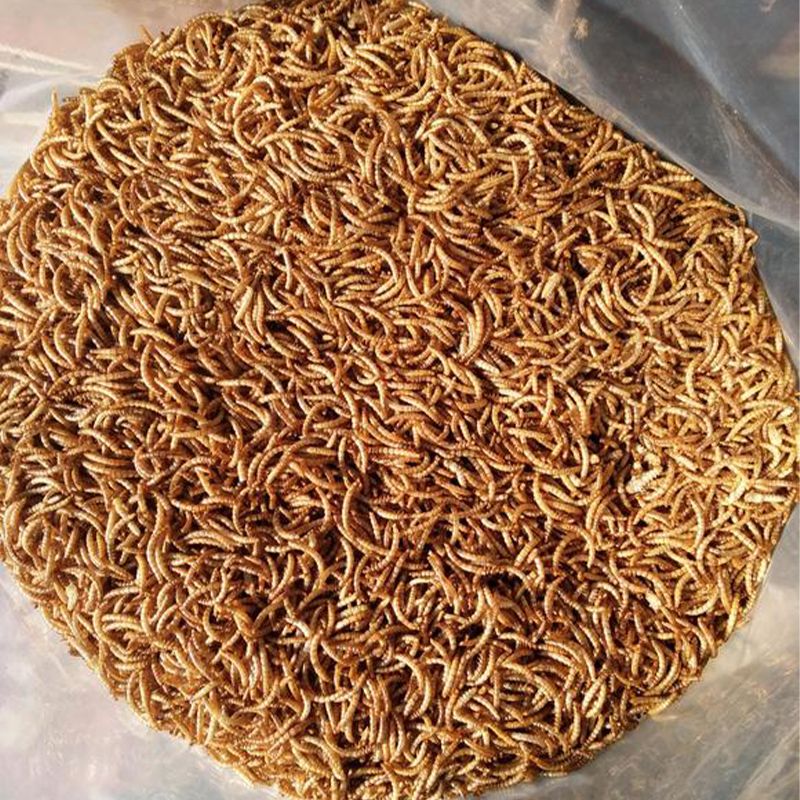
The size and texture of the dried mealworms can also matter. Some birds may prefer smaller mealworms, while others are not as picky. Additionally, the texture should be firm enough to hold its shape but not so hard that it's difficult for the birds to eat. Our 12.55 kg Dried Mealworms and 25 kg Dried Mealworms are carefully processed to ensure the right size and texture for maximum bird appeal.
Conclusion
Determining if birds like dried mealworms involves a combination of observing bird behavior, understanding species preferences, comparing with other bird foods, and ensuring the quality of the mealworms. By paying close attention to these factors, you can be confident that the dried mealworms you're offering are a hit with our avian friends.
If you're interested in purchasing high - quality dried mealworms for your feathered visitors, whether it's for your backyard feeder or for a larger - scale aviary, I encourage you to get in touch for a procurement discussion. We're committed to providing the best products and ensuring that your birds enjoy a delicious and nutritious meal.
References
- Peterson, R. T. (1990). A Field Guide to the Birds of Britain and Europe. Houghton Mifflin Harcourt.
- Newton, I. (1998). Population Ecology of Passerine Birds. Academic Press.
- Gill, F. (2007). Ornithology. W. H. Freeman and Company.