




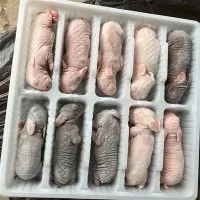
As a supplier of frozen rats for snakes, I often encounter inquiries from snake owners and breeders about the different types of frozen rodents available. The world of snake food is more diverse than many might think, and understanding the various options is crucial for providing the best nutrition for your slithery companions.
Why Frozen Rats for Snakes?
Before delving into the different types, it's important to understand why frozen rats are a popular choice among snake owners. Frozen rodents offer several advantages over live prey. Firstly, they are more convenient. You can store them in your freezer and have a ready supply of food whenever your snake is hungry. This eliminates the need to constantly source live prey, which can be time - consuming and sometimes difficult to find.
Secondly, frozen rats are safer for both the snake and the owner. Live prey can fight back and potentially injure the snake, causing wounds that may lead to infections. On the other hand, handling live rodents can also pose a risk to the owner, as they may carry diseases or parasites. Frozen rodents are typically pre - killed and processed in a hygienic environment, reducing these risks significantly.
Different Types of Frozen Rats for Snakes
Size Variations
One of the most significant differences in frozen rats for snakes is their size. Snakes come in a wide range of sizes, from small corn snakes to large pythons, and their dietary needs vary accordingly.
- Pinkie Rats: These are the smallest type of frozen rats available. Pinkie rats are newborns, and they are often used to feed very young or small snakes. They are called "pinkies" because of their pink, hairless appearance. Pinkie rats are extremely tender and easy for small snakes to digest. They are also a good source of protein for growing snakes. For example, hatchling corn snakes and some species of garter snakes can be fed pinkie rats. You can find Frozen Pinks Mouse and Frozen Pinks Mice in our product range, which are similar in size and can also be suitable for small snakes.
- Fuzzy Rats: As the rats grow a bit older, they develop a fine layer of fur, and they are then referred to as fuzzy rats. Fuzzy rats are larger than pinkie rats and are suitable for slightly larger snakes. They provide more nutrition and energy compared to pinkie rats. Snakes such as juvenile ball pythons and some medium - sized colubrids can be fed fuzzy rats.
- Hopper Rats: Hopper rats are in the intermediate size range. They are more active and have a well - developed body compared to pinkies and fuzzies. Hopper rats are a great choice for medium - sized snakes that need a substantial meal. Many adult corn snakes and some species of king snakes can thrive on a diet of hopper rats.
- Adult Rats: These are the largest type of frozen rats. Adult rats are suitable for large snakes, such as adult boa constrictors and reticulated pythons. They offer a high amount of protein and fat, which is essential for the energy requirements of these large snakes. Feeding adult rats to large snakes helps them maintain their body mass and overall health.
Nutritional Variations
In addition to size, there can also be some nutritional variations among different types of frozen rats. The diet of the rat before it is frozen can affect its nutritional content. For example, rats that are fed a balanced diet rich in grains, vegetables, and proteins will have a more nutritious profile compared to those with a poor diet.
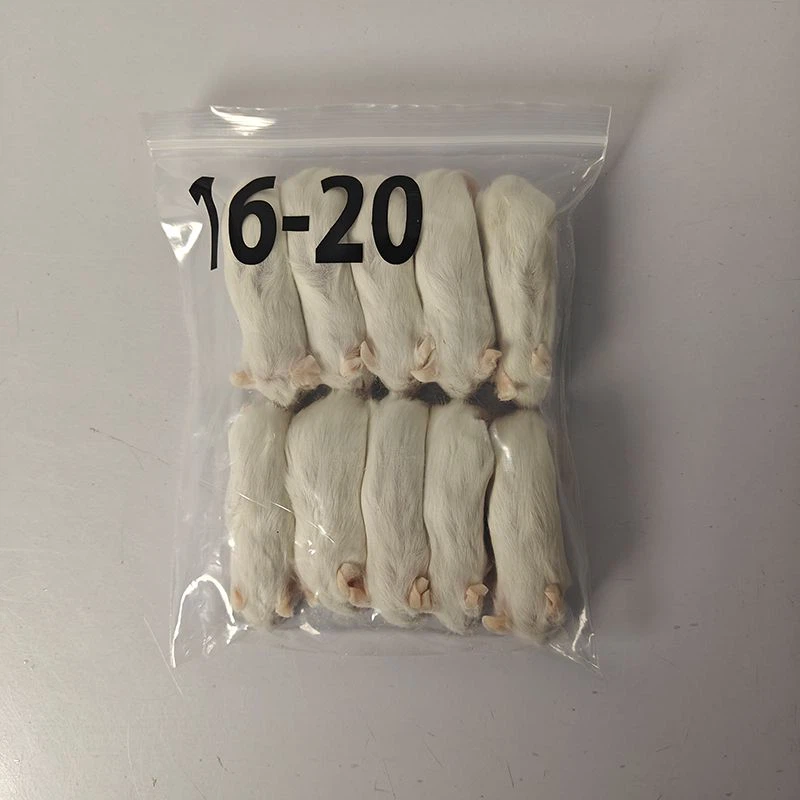

As a supplier, we ensure that all our frozen rats are raised on a high - quality diet. This means that the snakes consuming our frozen rats will get a well - rounded nutritional intake. The protein in the rats helps in muscle development and repair, while the fat provides energy. Vitamins and minerals present in the rats are also important for the snake's overall health, including bone strength and immune function.
Quality Control
When it comes to supplying frozen rats for snakes, quality control is of utmost importance. We follow strict procedures to ensure that our products are of the highest quality.
- Breeding and Feeding: Our rats are bred in a clean and controlled environment. They are fed a balanced diet that meets all their nutritional needs. This not only ensures the health of the rats but also the quality of the food they provide for snakes.
- Harvesting and Processing: The rats are humanely euthanized and then processed immediately. They are flash - frozen to preserve their nutritional value and prevent the growth of bacteria. Our freezing process is carefully monitored to ensure that the rats are frozen at the right temperature and for the appropriate duration.
- Storage and Shipping: Once the rats are frozen, they are stored in commercial freezers at the correct temperature. When it comes to shipping, we use insulated packaging and dry ice to ensure that the rats remain frozen during transit. This way, our customers receive the frozen rats in the same high - quality condition as they left our facility.
Customer Considerations
When choosing the right type of frozen rats for your snake, there are a few things to keep in mind.
- Snake Species and Size: As mentioned earlier, the size and species of your snake are the most important factors. You need to select a rat size that is appropriate for your snake's age and size. Feeding a snake a rat that is too large can lead to regurgitation or other digestive problems, while a rat that is too small may not provide enough nutrition.
- Frequency of Feeding: The frequency of feeding also depends on the snake's age, size, and species. Young snakes generally need to be fed more frequently than adult snakes. For example, a hatchling snake may need to be fed once every 3 - 5 days, while an adult snake may only need to be fed once every 1 - 2 weeks.
- Health and Condition of the Snake: If your snake has any health issues, such as a weakened immune system or digestive problems, you may need to adjust its diet accordingly. In some cases, a veterinarian may recommend a specific type of food or feeding schedule.
Conclusion
In conclusion, there are indeed different types of frozen rats for snakes, varying in size and nutritional content. As a supplier, we are committed to providing high - quality frozen rats that meet the diverse needs of snake owners and breeders. Whether you have a small snake that needs pinkie rats or a large snake that requires adult rats, we have the right product for you.
If you are interested in purchasing our frozen rats for your snakes, we invite you to contact us for more information and to discuss your specific requirements. We are always happy to assist you in making the best choice for your slithery friends.
References
- Barker, D., & Barker, T. (2008). The Complete Ball Python Manual. Advanced Vivarium Systems.
- Mattison, C. (2007). Snakes of the World. Princeton University Press.