



As a dedicated supplier of frozen rats for snakes, I've encountered numerous snake owners facing a common and concerning issue: their snakes show no interest in frozen rats even after repeated attempts. This situation can be quite distressing for both the snake and its owner. In this blog, I'll delve into the possible reasons behind this lack of interest and offer some practical solutions to help your snake start accepting frozen rodents.
Possible Reasons for Lack of Interest
1. Temperature of the Frozen Rats
One of the most crucial factors is the temperature of the frozen rats. Snakes are cold - blooded animals, and they rely on external heat sources to regulate their body temperature. They are more likely to be attracted to prey that is at an appropriate temperature, mimicking the warmth of a live animal. If the frozen rat is too cold, it may not seem like a viable food source to the snake.


For example, if you thaw the rat in the refrigerator and then immediately offer it to the snake, it might still be too cool. On the other hand, if you over - heat the rat in the microwave, it can create hot spots that may burn the snake or give off an unappealing smell.
2. Scent and Texture
Snakes have a highly developed sense of smell. Live prey emits certain scents that snakes are accustomed to. Frozen rats may lack some of these natural scents, especially if they have been frozen for a long time. Additionally, the texture of a frozen - thawed rat can be different from that of a live one. Some snakes may be sensitive to these changes and reject the frozen prey as a result.
3. Stress and Environmental Factors
Stress can significantly affect a snake's appetite. If the snake is in a new environment, has recently been handled too much, or is experiencing changes in its habitat such as temperature, humidity, or lighting, it may lose interest in food. For instance, if the enclosure is too noisy or there are frequent disturbances around the snake's living area, it will feel stressed and may not eat.
4. Health Issues
Underlying health problems can also cause a snake to lose its appetite. Parasites, respiratory infections, or other illnesses can make the snake feel unwell and reduce its interest in food. If a snake has been refusing food for an extended period, it's important to consider the possibility of a health issue.
Solutions to Encourage Snake to Eat Frozen Rats
1. Proper Thawing and Warming
To ensure the frozen rat is at the right temperature, thaw it slowly in the refrigerator overnight. Then, you can warm it up by placing it in a plastic bag and submerging it in warm water (around 95 - 100°F or 35 - 38°C) for about 10 - 15 minutes. This will help restore some of the natural warmth and make the rat more appealing to the snake.
2. Enhancing Scent
There are several ways to enhance the scent of the frozen rat. You can rub the rat with a piece of live prey (such as a small mouse) or use a natural scent enhancer. Some snake owners also recommend using a bit of chicken broth or tuna juice to add an appealing smell. However, make sure not to use anything that is too strong or contains harmful chemicals.
3. Improving the Feeding Environment
Create a calm and stress - free feeding environment for your snake. Feed it in a separate, quiet container rather than directly in its enclosure. This can reduce distractions and make the snake feel more secure. Also, ensure that the enclosure has the proper temperature and humidity levels, as these are essential for the snake's well - being and appetite.
4. Veterinary Check - up
If all else fails and the snake continues to show no interest in food, it's advisable to take it to a veterinarian who specializes in reptiles. The vet can conduct a thorough examination to check for any health issues and provide appropriate treatment.
Our Product Range
As a supplier of frozen rats for snakes, we offer a wide variety of products to meet the different needs of snake owners. Our Small Frozen Rats for Snakes are perfect for smaller snake species. They are carefully processed and frozen to maintain their nutritional value and quality.
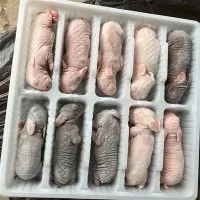
We also have Frozen Pup Rats, which are ideal for young snakes or those with smaller appetites. These pup rats are in a stage of development that makes them a suitable food source for many snakes.
For snakes that prefer a more delicate prey, our Frozen Pinks Rats are a great option. Pinks rats are very young and have a soft texture, which can be more appealing to some snakes.
Contact Us for Procurement
If you are experiencing issues with your snake's feeding or are looking for high - quality frozen rats for your snakes, we are here to help. We understand the importance of providing the best food for your reptiles, and our products are sourced and processed with the utmost care.
Whether you are a small - scale snake owner or a large - scale breeder, we can offer you competitive prices and reliable delivery. If you are interested in purchasing our frozen rats, please feel free to reach out to us for more information and to start a procurement discussion. We are committed to ensuring that your snakes get the nutrition they need.
References
- Barker, D., & Barker, T. (2008). Manual of Exotic Pet Practice. Saunders Elsevier.
- Mader, D. R. (2019). Reptile Medicine and Surgery. Elsevier.
- Ross, D. A. (2006). The Boa Constrictor Manual. Advanced Vivarium Systems.