



Hey there, fellow reptile enthusiasts! I'm a supplier of frozen rats, and I often get asked this question: "Do frozen rats require any special cleaning before feeding?" Today, I'm gonna dive deep into this topic and share some insights based on my experience in the business.
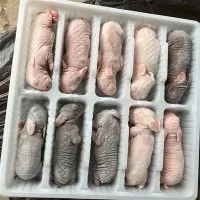
First off, let's talk about why we use frozen rats in the first place. If you've got snakes or other reptiles that are carnivorous, frozen rats are a convenient and safe food source. They're easy to store, and you don't have to worry about live prey potentially harming your pets. You can check out our Frozen Rats for Snake page to see the variety we offer.
Now, back to the main question. When you receive frozen rats from us, they've already gone through a proper freezing process. Freezing is a great way to kill off a lot of potential pathogens. During the freezing process, the low temperatures can destroy many bacteria, parasites, and other harmful organisms that might be present on the rats.
But does that mean you don't need to do any cleaning at all? Well, it depends. In most cases, a simple rinse under lukewarm water is sufficient. This helps to remove any surface debris that might have accumulated during the freezing and packaging process. You don't need to use any fancy cleaning agents or soaps because these can leave residues that might be harmful to your reptiles.
Let's say you're worried about a particular batch of rats. Maybe you've noticed some discoloration or a strange smell. In that case, you can take a bit more care. You can soak the frozen rat in a solution of water and a small amount of reptile-safe disinfectant for a few minutes. But make sure to rinse it thoroughly afterward to get rid of any traces of the disinfectant.
Another thing to consider is the size of the rat. Smaller rats, like our High White Rat, are generally easier to handle and clean. They have less surface area, so there's less chance of debris getting trapped. On the other hand, larger rats, such as our White Fluffy Rat, might require a bit more attention. You might need to pay extra attention to the areas around the paws and the tail, as these are more likely to have dirt or other contaminants.
It's also important to note that the cleaning process should be done right before feeding. You don't want to clean the rat hours or even days in advance because it can start to grow new bacteria in the warm, moist environment. Just take the rat out of the freezer, let it thaw (either in the refrigerator overnight or in a bowl of lukewarm water for a quicker thaw), and then give it a quick rinse.
Now, let's talk about the benefits of cleaning the frozen rats. First of all, it can help to reduce the risk of your reptile getting sick. Even though the freezing process kills a lot of pathogens, there's always a small chance that some might survive. By giving the rat a quick rinse, you can remove any remaining bacteria or parasites.
Secondly, cleaning can also make the rat more appealing to your reptile. Some reptiles are picky eaters, and they might be put off by a dirty or smelly rat. By cleaning it, you can make it look and smell more like a natural prey item, which can increase the chances of your reptile actually eating it.
On the flip side, over - cleaning can also be a problem. If you use too much force or harsh cleaning agents, you can damage the rat's skin and fur. This can make it less appealing to your reptile and might even cause injuries to your pet if it tries to eat a damaged rat.

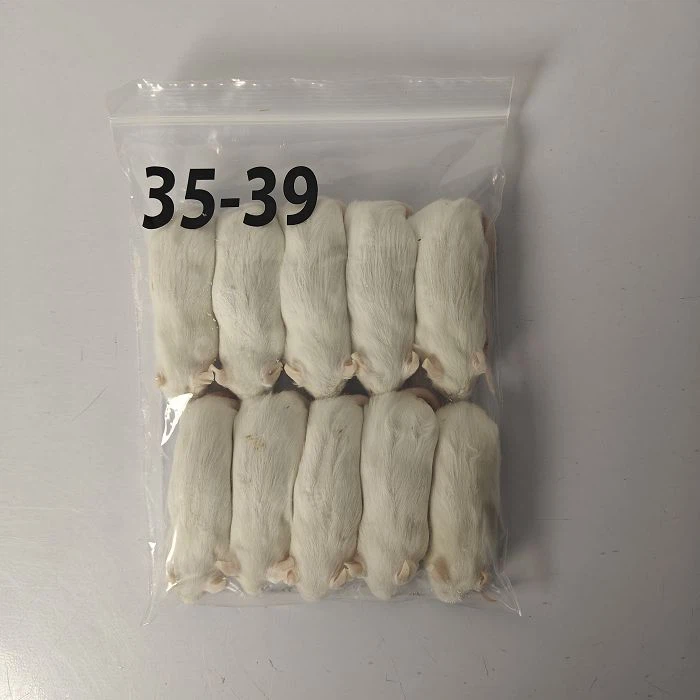
So, to sum it up, in most cases, a simple rinse under lukewarm water is all you need to do before feeding a frozen rat to your reptile. But if you have any concerns about a particular batch, you can take a bit more care and use a reptile - safe disinfectant. Just make sure to rinse it thoroughly afterward.
If you're interested in purchasing our high - quality frozen rats, we'd love to hear from you. Whether you're a small - scale reptile owner or a large - scale breeder, we can provide you with the right quantity and size of frozen rats for your needs. Reach out to us to start a procurement discussion, and we'll work with you to find the best solution for your reptile feeding requirements.
References
- General knowledge from years of experience in the frozen rat supply business.
- Reptile care manuals and guidelines from well - known reptile experts.