



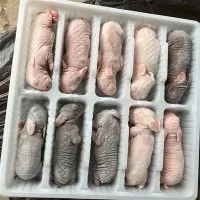
When it comes to feeding our beloved pets, especially reptiles, birds of prey, and some small mammals, the choice of food is crucial. One option that has gained popularity among pet owners is frozen pup rats. As a supplier of frozen pup rats, I often get asked whether these are easy for pets to digest. In this blog post, I'll delve into the topic, explore the digestive aspects of frozen pup rats for pets, and provide insights that can help you make an informed decision for your furry or scaly friends.
Understanding the Digestive Systems of Different Pets
Before we discuss the digestibility of frozen pup rats, it's important to understand the digestive systems of the pets that commonly consume them. Reptiles, for example, have a relatively slow digestive process. Their metabolism is often influenced by environmental temperature, and they require food that can be broken down efficiently within their bodies. Birds of prey, on the other hand, have a highly efficient digestive system designed to process meat quickly. They have a crop where food is stored briefly before moving to the stomach and gizzard for further digestion. Small mammals like ferrets also have a digestive system adapted to a carnivorous diet, but their digestive speed and requirements differ from reptiles and birds.
Nutritional Composition of Frozen Pup Rats
Frozen pup rats are a rich source of nutrients that are essential for the health and well - being of pets. They are high in protein, which is vital for muscle development, growth, and repair. Protein also plays a crucial role in the immune system of pets. Additionally, pup rats contain fats, which are a concentrated source of energy. These fats are important for maintaining healthy skin and coat, as well as for the proper functioning of the nervous system. They also provide essential fatty acids that pets cannot produce on their own.
In terms of vitamins and minerals, frozen pup rats are a good source of calcium, phosphorus, and vitamin A. Calcium and phosphorus are important for bone health, especially in growing pets. Vitamin A is essential for vision, immune function, and cell growth. The balanced nutritional profile of frozen pup rats makes them an attractive option for pet owners looking to provide a complete diet for their animals.
Digestibility Factors
One of the key factors that contribute to the digestibility of frozen pup rats is their size. Pup rats are small and relatively soft - bodied, which makes them easier for pets to swallow and break down. Unlike larger rodents, the bones in pup rats are not fully developed, which means they are less likely to cause blockages in the digestive tract.
Another important aspect is the freezing process. Freezing helps to preserve the nutritional value of the pup rats while also killing any potential parasites or bacteria that could cause digestive problems. When properly thawed, frozen pup rats retain their natural texture and nutritional content, making them a safe and digestible food source.
However, it's important to note that the digestibility can also be affected by the pet's age, health, and species. Younger pets may have a more sensitive digestive system and may require smaller portions or more frequent feedings. Pets with certain health conditions, such as digestive disorders, may also have difficulty digesting frozen pup rats. In such cases, it's advisable to consult a veterinarian before introducing this food into their diet.
Comparing with Other Prey Items
When compared to other prey items, such as Pinks Rats, High White Rat, and Small White Rats, frozen pup rats have some unique advantages in terms of digestibility. Pinks rats are even smaller and younger than pup rats, which can be beneficial for very small or juvenile pets. However, they may not provide as much nutrition as pup rats. High white rats and small white rats are larger and may be more suitable for larger pets. But they may also be more difficult to digest, especially for smaller animals.
Feeding Guidelines
To ensure that your pet can digest frozen pup rats easily, it's important to follow some feeding guidelines. First, always thaw the frozen pup rats properly. Thawing can be done by placing the rat in the refrigerator overnight or by using a warm water bath for a shorter period. Avoid using a microwave to thaw the rat, as this can cause uneven heating and may damage the nutritional value of the food.


It's also important to feed the appropriate size and quantity of pup rats based on the size, age, and species of your pet. Overfeeding can lead to digestive problems, such as regurgitation or constipation. Underfeeding, on the other hand, can result in malnutrition.
Conclusion
In conclusion, frozen pup rats are generally easy for pets to digest, thanks to their small size, soft - bodied nature, and balanced nutritional composition. However, the digestibility can vary depending on the pet's individual characteristics and health status. By understanding the nutritional value and digestibility factors of frozen pup rats, pet owners can make an informed decision about whether this food is suitable for their pets.
If you're interested in purchasing high - quality frozen pup rats for your pets, I invite you to contact me for more information and to discuss your specific needs. I'm committed to providing the best products and ensuring the health and happiness of your pets.
References
- "The Biology of Reptiles" by C. Gans
- "Avian Digestive Physiology" by M. D. Kern
- "Nutrition of Small Mammals" by R. J. Baker