



Hey there, fellow reptile and turtle enthusiasts! I'm the owner of a company that supplies frozen rats for reptiles, and I often get asked a really common question: "Can I feed frozen rats to my turtle?" Well, let's dive right into this topic and figure it out.
First off, we need to understand the natural diet of turtles. Turtles are a diverse bunch, and their diets can vary widely depending on the species. Some turtles are herbivores, munching on all sorts of plants, algae, and veggies. Others are omnivores, which means they eat both plant matter and small critters like insects, worms, and small fish. And then there are the carnivorous turtles that mainly go after meat.


When it comes to feeding frozen rats to turtles, it's a bit of a mixed bag. For most common pet turtles like red - eared sliders, painted turtles, and box turtles, feeding them frozen rats isn't a great idea. These turtles are usually more used to a diet that consists of small invertebrates, fish, and plant material. Rats are relatively large prey items, and the size alone can pose a choking hazard for these smaller turtles.
Let's talk about the nutritional aspect. Rats are high in protein, but they also have a different fat and nutrient profile compared to what these turtles typically eat in the wild. Feeding a turtle a diet that's too high in the wrong kind of fat or lacking in other essential nutrients can lead to health problems over time. For example, it could cause issues with their liver, kidneys, or even their shell development.
However, there are some larger and more carnivorous turtle species that might be able to handle frozen rats. Species like snapping turtles are known to be voracious predators in the wild. They have strong jaws and can consume relatively large prey. If you have a large snapping turtle, and you're considering feeding it frozen rats, there are a few things you need to keep in mind.
One of the main concerns with feeding frozen rats is the thawing process. You should never feed a turtle a frozen rat straight out of the freezer. The cold temperature can shock their digestive system and cause serious problems. Instead, you need to thaw the rat properly. A good way to do this is by placing the frozen rat in a sealed plastic bag and then submerging it in warm (not hot) water. Make sure the water is changed regularly to keep it at a consistent temperature. It usually takes a few hours for a rat to thaw completely, depending on its size.
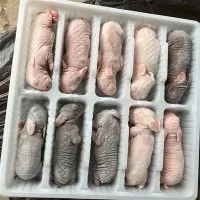
Another thing to consider is the source of the frozen rats. As a supplier of Frozen Rats for Snake, I know how important it is to provide high - quality and healthy prey items. You want to make sure the rats are free from diseases, parasites, and any harmful chemicals. At our company, we take great care in raising and processing our rats to ensure they're safe for reptiles and potentially suitable for larger turtles as well.
We offer different types of frozen rats, such as High White Rat and Frozen Jumbo Rat. The high - white rats are a popular choice because they're often bred for a more consistent size and quality. The frozen jumbo rats, on the other hand, are great for larger predators. But again, you need to make sure the size of the rat is appropriate for your turtle.
If you do decide to feed your turtle frozen rats, it should be done in moderation. Even for large carnivorous turtles, a diet that consists solely of rats isn't ideal. You should still supplement their diet with other types of prey, like fish, frogs, and insects, to ensure they're getting a balanced diet.
Now, let's talk about the potential risks associated with feeding frozen rats to turtles. One of the biggest risks is the transmission of diseases. Rats can carry various pathogens, such as bacteria, viruses, and parasites. If the rat isn't properly processed or stored, these pathogens can be passed on to the turtle. That's why it's crucial to buy from a reputable supplier like us. We follow strict hygiene and safety protocols to minimize the risk of disease transmission.
Another risk is the possibility of the turtle not being able to digest the rat properly. Turtles have different digestive systems compared to snakes, which are the more common consumers of frozen rats. If the turtle can't break down the rat's bones, fur, or other parts, it could lead to blockages in their digestive tract. This is a serious condition that can be life - threatening for the turtle.
So, to sum it up, for most common pet turtles, feeding frozen rats is not recommended. But for larger, more carnivorous turtle species like snapping turtles, it might be an option if done correctly. You need to make sure the rat is thawed properly, the size is appropriate, and it's part of a balanced diet.
If you're still unsure about whether you should feed frozen rats to your turtle, I'd recommend consulting with a veterinarian who specializes in reptiles. They can give you personalized advice based on your turtle's species, age, and health.
If you're interested in purchasing high - quality frozen rats for your reptiles or if you have any questions about our products, feel free to reach out. We're always happy to help you make the best choices for your pets. Whether you're looking for Frozen Rats for Snake, High White Rat, or Frozen Jumbo Rat, we've got you covered.
References
- "The Biology of Turtles" by Peter C. H. Pritchard
- "Reptile and Amphibian Medicine and Surgery" by Douglas R. Mader