




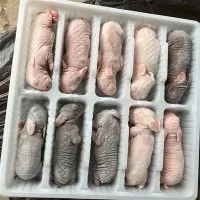
As a supplier of Frozen Jumbo Rats, I often receive inquiries from snake owners, especially those with pregnant snakes, about the safety and suitability of our product. In this blog post, I'll delve into the topic of whether Frozen Jumbo Rats are safe for pregnant snakes, drawing on scientific knowledge and industry experience.
Nutritional Requirements of Pregnant Snakes
Pregnancy is a critical period for snakes, during which their nutritional needs change significantly. Just like in mammals, pregnant snakes require a higher intake of certain nutrients to support the development of their offspring. Key nutrients include proteins, fats, vitamins, and minerals.
Protein is essential for the growth and repair of tissues in both the mother snake and her developing embryos. Fats provide a concentrated source of energy, which is crucial for the high metabolic demands during pregnancy. Vitamins and minerals play vital roles in various physiological processes, such as bone development and immune function.
Frozen Jumbo Rats are an excellent source of these essential nutrients. They are rich in high - quality proteins, with a well - balanced amino acid profile that is similar to the natural prey of snakes in the wild. The fat content in Frozen Jumbo Rats provides the necessary energy reserves for pregnant snakes, helping them to sustain the energy - intensive process of gestation. Additionally, they contain a variety of vitamins and minerals, including calcium, phosphorus, and vitamin D, which are important for the proper development of the snake embryos' skeletal systems.
Safety Considerations
One of the primary concerns when feeding Frozen Jumbo Rats to pregnant snakes is the risk of contamination. As a responsible supplier, we take strict measures to ensure the safety and quality of our products. Our Frozen Jumbo Rats are sourced from reputable breeders who follow strict animal husbandry practices. The rats are raised in clean and controlled environments, free from diseases and parasites.
Before freezing, the rats undergo a thorough inspection to ensure they are healthy and free from any visible signs of illness. Freezing is a highly effective method of preserving the rats and killing any potential pathogens. The low temperatures during freezing can inactivate bacteria, viruses, and parasites, reducing the risk of infection in snakes.
However, it's important for snake owners to handle the Frozen Jumbo Rats properly. When thawing the rats, it's recommended to use a safe method, such as placing them in a sealed plastic bag and submerging them in warm water. This helps to prevent the growth of bacteria that could occur if the rats are left at room temperature for too long. After feeding, any uneaten rats should be removed promptly to avoid attracting pests and preventing the growth of harmful microorganisms in the snake's enclosure.
Size and Digestibility
Another aspect to consider is the size of the Frozen Jumbo Rats in relation to the pregnant snake. Pregnant snakes may have a reduced ability to digest large prey items due to the physical constraints of the developing embryos in their bodies. It's crucial to choose the appropriate size of Frozen Jumbo Rats based on the snake's species, size, and stage of pregnancy.
In general, it's better to err on the side of caution and offer slightly smaller prey items to pregnant snakes. This reduces the risk of regurgitation, which can be dangerous for both the mother snake and her embryos. If the snake is struggling to swallow the rat or shows signs of discomfort after eating, it may be a sign that the prey item is too large.
Alternatives to Frozen Jumbo Rats
While Frozen Jumbo Rats are a popular choice for feeding snakes, there are other options available for pregnant snakes. For smaller snake species or those with more delicate digestive systems, Suckling Mouse can be a suitable alternative. Suckling mice are smaller in size and may be easier for pregnant snakes to digest. They also provide a good source of nutrients, although their nutrient composition may differ slightly from that of Frozen Jumbo Rats.
Another option is Arctic Mice Frozen Rats. These rats are specifically bred and processed to meet the nutritional needs of snakes. They are often raised in a controlled environment, ensuring a consistent quality and safety level.
Feeding Frequency
During pregnancy, the feeding frequency of snakes may need to be adjusted. Pregnant snakes generally have a decreased appetite as their bodies focus on the development of the embryos. It's important not to overfeed them, as this can lead to obesity and other health problems.
A good rule of thumb is to offer food less frequently than usual. For example, if a non - pregnant snake is fed once a week, a pregnant snake may only need to be fed every 10 - 14 days. However, it's essential to monitor the snake's body condition and adjust the feeding schedule accordingly. If the snake appears to be losing weight or showing signs of malnutrition, the feeding frequency may need to be increased.


Conclusion
In conclusion, Frozen Jumbo Rats can be a safe and nutritious food source for pregnant snakes when sourced from a reliable supplier and handled properly. They provide the essential nutrients needed to support the health of both the mother snake and her developing embryos. However, snake owners should be aware of the potential risks, such as contamination and improper prey size, and take appropriate measures to ensure the safety and well - being of their snakes.
If you're a snake owner looking for high - quality Frozen Jumbo Rats for your pregnant snakes, we are here to help. We have a wide range of Frozen Rats for Snake products to meet your needs. Our products are carefully selected and processed to ensure the best quality and safety. Contact us today to discuss your requirements and start a purchase negotiation. We look forward to working with you to keep your snakes healthy and happy.
References
- Barker, D., & Barker, T. (2008). Biology and Husbandry of Reptiles: Comprehensive Veterinary Care. CRC Press.
- Frye, F. L. (1991). Biomedical and Surgical Aspects of Captive Reptile Husbandry. Krieger Publishing Company.
- Mader, D. R. (2006). Reptile Medicine and Surgery. Saunders Elsevier.