



As a dedicated supplier of dried crickets for birds, I've delved deep into the nutritional aspects of these tiny yet mighty insects. One of the most frequently asked questions I encounter is about the protein content of dried crickets for our feathered friends. In this blog, I'll explore this topic in detail, shedding light on why dried crickets are an excellent source of protein for birds and how they can contribute to their overall health.
The Importance of Protein in a Bird's Diet
Protein is an essential nutrient for birds, playing a crucial role in various physiological functions. It is the building block of muscles, feathers, and other tissues. Birds need protein to grow, repair damaged tissues, and maintain a healthy immune system. A diet rich in protein can also enhance a bird's energy levels, allowing them to engage in activities such as flying, foraging, and singing.
In the wild, birds obtain protein from a variety of sources, including insects, seeds, and small vertebrates. Insects, in particular, are a highly nutritious food source, providing a concentrated dose of protein, vitamins, and minerals. However, in a domestic setting, it can be challenging to replicate the diverse diet that birds enjoy in the wild. This is where dried crickets come in.


Protein Content in Dried Crickets
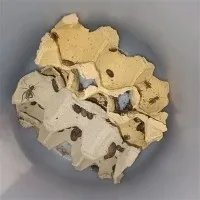
Dried crickets are a nutritional powerhouse, boasting an impressive protein content. On average, dried crickets contain about 60-70% protein by weight. This is significantly higher than many other common protein sources, such as beef (20-25% protein), chicken (20-30% protein), and soybeans (36-56% protein). The high protein content in dried crickets makes them an ideal food source for birds, especially those with high protein requirements, such as growing chicks, breeding birds, and birds recovering from illness or injury.
The protein in dried crickets is also of high quality, containing all the essential amino acids that birds need for optimal health. Amino acids are the building blocks of protein, and different amino acids play different roles in the body. For example, lysine is important for growth and development, while methionine is essential for feather production. By providing a complete range of essential amino acids, dried crickets can help ensure that birds receive all the nutrients they need to thrive.
Other Nutritional Benefits of Dried Crickets
In addition to their high protein content, dried crickets are also a good source of other important nutrients, such as fat, fiber, vitamins, and minerals. The fat content in dried crickets is relatively low, making them a healthy choice for birds that are prone to obesity. The fiber in dried crickets can help promote digestive health by preventing constipation and promoting the growth of beneficial bacteria in the gut.
Dried crickets are also rich in vitamins and minerals, including vitamin B12, iron, calcium, and phosphorus. Vitamin B12 is essential for the proper functioning of the nervous system and the production of red blood cells. Iron is important for oxygen transport in the body, while calcium and phosphorus are crucial for strong bones and teeth. By providing a wide range of vitamins and minerals, dried crickets can help support the overall health and well-being of birds.
Feeding Dried Crickets to Birds
Feeding dried crickets to birds is easy and convenient. You can offer dried crickets as a standalone treat or mix them with your bird's regular food. When offering dried crickets as a treat, it's important to do so in moderation, as too many treats can lead to obesity and other health problems. A good rule of thumb is to offer dried crickets as a supplement to your bird's regular diet, making up no more than 10% of their total food intake.
When mixing dried crickets with your bird's regular food, it's important to ensure that the crickets are evenly distributed throughout the food. You can do this by crushing the dried crickets into smaller pieces or by using a food processor to grind them into a powder. This will make it easier for your bird to eat the crickets and ensure that they receive a consistent amount of protein and other nutrients.
Other Uses of Dried Crickets
Dried crickets are not only a great food source for birds but can also be used to feed other animals, such as reptiles and turtles. Feeding Leopard Gecko Freeze Dried Crickets is a popular topic among reptile owners, as crickets are a natural prey item for many species of geckos. Dried crickets can also be used to feed turtles, providing them with a high-quality source of protein and other nutrients. Dried Crickets for Turtles are a convenient and nutritious option for turtle owners, as they can be easily stored and fed to turtles on a regular basis.
Quality and Safety of Dried Crickets
As a supplier of dried crickets for birds, I understand the importance of providing high-quality and safe products. That's why I take great care to ensure that all of my dried crickets are sourced from reputable suppliers and are processed using strict quality control measures. The crickets are carefully selected, cleaned, and dried to preserve their nutritional value and flavor. They are also free from any harmful chemicals, pesticides, or additives, making them a safe and healthy food choice for birds.
Contact for Purchase and Collaboration
If you're interested in purchasing dried crickets for your birds or would like to learn more about our products, I'd be happy to hear from you. Whether you're a bird owner looking for a nutritious treat for your feathered friend or a pet store owner interested in stocking our products, I'm here to help. Please feel free to reach out to me to discuss your needs and explore the possibilities of working together.
References
- "Nutritional Value of Insects as Food." FAO Forestry Paper 171. Food and Agriculture Organization of the United Nations, 2013.
- "Insects as Feed for Livestock and Poultry." Livestock Research for Rural Development 25.1 (2013).
- "The Nutritional Value of Insects and Their Potential as a Sustainable Protein Source." Journal of Insects as Food and Feed 1.1 (2015).