



Hey there, fellow reptile enthusiasts! As a supplier of frozen rats for reptiles, I've been getting a lot of questions lately about the impact of feeding frozen rats on a reptile's growth. So, I thought I'd sit down and share some insights based on my experience and the latest scientific research.
First off, let's talk about why frozen rats are such a popular choice for feeding reptiles. One of the main reasons is convenience. Unlike live prey, frozen rats can be stored in your freezer for months, making it easy to have a steady supply on hand. They're also much safer for both you and your reptile. Live prey can sometimes fight back, causing injuries to your reptile, and there's also a risk of transmitting diseases. With frozen rats, you can eliminate these concerns.
But what about the impact on a reptile's growth? Well, it all comes down to nutrition. Rats are a great source of protein, which is essential for a reptile's growth and development. Protein helps build and repair tissues, supports a healthy immune system, and provides energy. When you feed your reptile a diet that's rich in high-quality protein, you're giving them the building blocks they need to grow strong and healthy.
In addition to protein, rats also contain other important nutrients like fat, vitamins, and minerals. Fat is a concentrated source of energy, and it plays a crucial role in maintaining a reptile's body temperature and protecting their organs. Vitamins and minerals are essential for a variety of bodily functions, including bone development, vision, and reproduction. By feeding your reptile frozen rats, you're ensuring that they're getting a well-rounded diet that meets all of their nutritional needs.
Another factor to consider is the size of the rat. It's important to choose a rat that's appropriate for the size and age of your reptile. If the rat is too large, your reptile may have difficulty swallowing it, which can lead to choking or other health problems. On the other hand, if the rat is too small, your reptile may not be getting enough nutrition. As a general rule, the rat should be no wider than the widest part of your reptile's body.
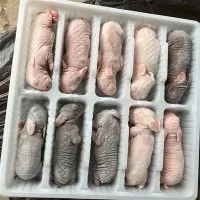
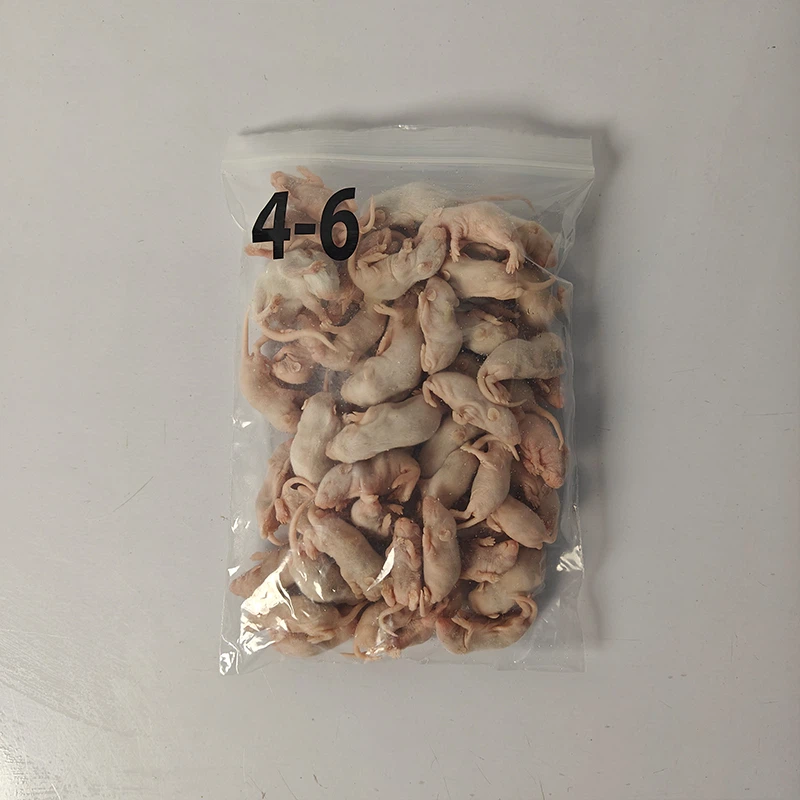
Now, let's take a closer look at the different types of frozen rats that are available. One popular option is Frozen Pinks Rats. These are newborn rats that are still pink and hairless. They're very small, making them a great choice for small reptiles like baby snakes and lizards. Frozen pinks rats are also easy to digest, which is important for young reptiles with sensitive digestive systems.
Another option is Frozen Pinks Mice. These are similar to frozen pinks rats, but they're even smaller. They're a good choice for very small reptiles or for reptiles that prefer a more delicate meal.
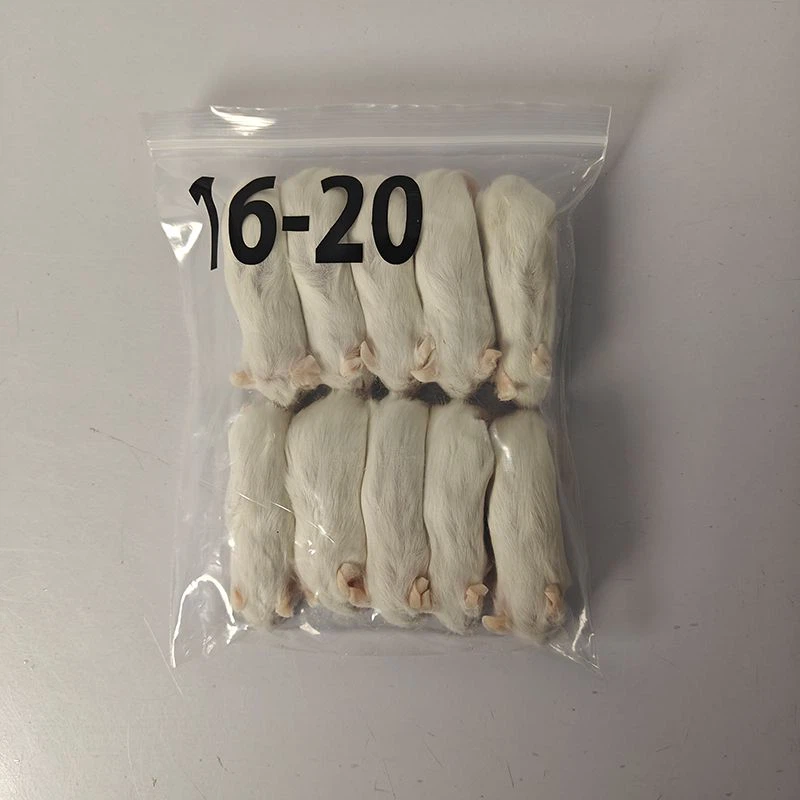
If you have a larger reptile, you may want to consider Little White Rat. These are slightly larger than pinks rats and mice, and they're a good source of nutrition for medium to large-sized reptiles.
Of course, every reptile is different, and their nutritional needs may vary depending on their species, age, and health. It's always a good idea to consult with a veterinarian or a reptile expert to determine the best diet for your specific reptile. They can help you choose the right size and type of frozen rat, and they can also provide you with guidance on how often to feed your reptile.
In addition to feeding your reptile a healthy diet, it's also important to provide them with a suitable habitat. Reptiles need a clean, comfortable environment that's the right temperature and humidity for their species. They also need plenty of space to move around and explore. By creating a healthy habitat for your reptile, you're giving them the best chance to thrive.
So, there you have it! That's my take on the impact of feeding frozen rats on a reptile's growth. As a supplier of frozen rats for reptiles, I'm passionate about providing high-quality products that meet the nutritional needs of your beloved pets. If you have any questions or if you're interested in purchasing frozen rats for your reptile, please don't hesitate to reach out. I'd be happy to help you find the right products for your needs and to answer any questions you may have.
Let's work together to ensure that your reptile grows up healthy and strong!
References
- "Reptile Nutrition: A Practical Guide" by Susan E. Donoghue
- "The Complete Guide to Reptile and Amphibian Nutrition" by Murray E. Fowler and Stephen J. Miller