



Hey there, fellow insect enthusiasts! As a supplier of Blaptica dubia, I often get asked some pretty interesting questions about these critters. One question that pops up quite a bit is, "Can Blaptica dubia regenerate lost limbs?" Well, let's dive right into this fascinating topic.
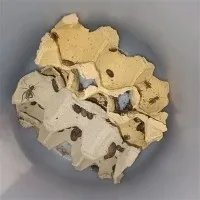
First off, for those of you who aren't familiar with Blaptica dubia, they're also known as Dubia roaches. These roaches are super popular in the reptile - keeping community as a nutritious food source. They're high in protein and relatively easy to care for, which makes them a top choice for many reptile owners. You can check out our Adult Female Dubia and see for yourself what healthy, mature Dubia roaches look like.
Now, back to the main question: limb regeneration. In the insect world, limb regeneration is a pretty cool ability that some species possess. When an insect loses a limb, either due to a predator attack, an accident, or some other reason, the ability to regrow that limb can be a matter of life and death.
So, can Blaptica dubia do it? The answer is yes, they can! Blaptica dubia has the remarkable ability to regenerate lost limbs, but there are some conditions and limitations to this process.
The regeneration process in Blaptica dubia is closely tied to their molting cycle. Insects, including Dubia roaches, have an exoskeleton, which is a hard outer covering that provides support and protection. However, this exoskeleton doesn't grow with the insect. So, in order to grow, they have to shed their old exoskeleton in a process called molting.
When a Blaptica dubia loses a limb, the regeneration process starts right away. At first, a small bud forms at the site of the lost limb. This bud contains cells that are capable of developing into the various tissues and structures of the limb. But the real magic happens during the next molting cycle.
During molting, the Dubia roach sheds its old exoskeleton, and the regenerating limb grows and develops further. With each successive molt, the limb gets closer and closer to its normal size and shape. It might take a few molts for the limb to fully regenerate, but eventually, it will look and function almost as good as new.
However, there are some factors that can affect the regeneration process. The age of the Blaptica dubia is one of them. Younger roaches tend to regenerate limbs more quickly and more completely than older ones. This is because younger insects are in a more active growth phase, and their cells are more capable of dividing and differentiating to form new tissues.
The location of the limb loss also matters. Limbs closer to the body, like the front legs, may regenerate more easily than those further away, such as the hind legs. Additionally, if the injury is too severe or if there's an infection at the site of the limb loss, it can slow down or even prevent the regeneration process.
Another thing to keep in mind is that the regenerated limb might not be exactly the same as the original one. It could be slightly smaller or have a slightly different shape. But overall, it will still serve its purpose and allow the Blaptica dubia to move around and function normally.
Now, you might be wondering why this ability to regenerate limbs is so important for Blaptica dubia. Well, in the wild, these roaches face a lot of threats. They have to deal with predators like birds, lizards, and other insects. Losing a limb is a common occurrence in their survival battles. The ability to regenerate that limb gives them a better chance of escaping future predators and continuing to live and reproduce.
As a supplier of Blaptica dubia, I've seen this regeneration process in action myself. Sometimes, during the handling and shipping of our roaches, a limb might get accidentally damaged. But when we keep an eye on those roaches, we can see the limb starting to regenerate over time. It's really amazing to watch nature at work.
If you're thinking about getting some Blaptica dubia for your reptiles or other pets, we have some great options for you. Our 1000 Dubia Roaches pack is a great deal if you have a larger reptile collection or if you want to start your own Dubia roach colony. And if you're just starting out or have a smaller pet, our 500 Medium Dubia Roaches pack is a perfect choice.
We take great care in raising our Blaptica dubia. We provide them with a healthy diet and a clean, comfortable environment. This ensures that they're in the best possible condition when they reach you. And even if a few of the roaches have lost a limb during shipping, don't worry! They'll likely regenerate those limbs in no time.
If you're interested in purchasing Blaptica dubia from us or have any questions about these amazing insects, feel free to reach out. We're always happy to help you make the right choice for your pets. Whether you're a seasoned reptile keeper or just starting out, we're here to support you every step of the way.
In conclusion, Blaptica dubia's ability to regenerate lost limbs is a fascinating aspect of their biology. It's a survival mechanism that has allowed them to thrive in the wild and makes them even more interesting to study and care for. So, the next time you see a Blaptica dubia with a regenerating limb, you'll know just how amazing these little creatures really are.
References


- Insect Physiology and Biochemistry, 4th Edition, edited by Michael J. Lehane and John G. Oakeshott
- The Biology of Insects, by David G. McE. Robertson