


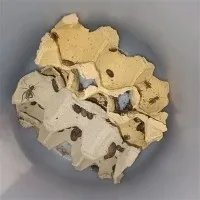


Blaptica dubia, commonly known as the Dubia roach, is a species of cockroach that has gained significant popularity in recent years, especially among reptile owners. As a leading supplier of Blaptica dubia, I often get asked about their dietary needs. Understanding what Blaptica dubia eat is crucial not only for their proper care but also for ensuring that they are a nutritious food source for the animals that consume them.
Natural Diet in the Wild
In their natural habitat, which includes parts of Central and South America, Blaptica dubia are omnivores. They feed on a variety of organic materials found in the forest floor. This includes decaying leaves, fruits, and plant matter. The roaches play an important role in the ecosystem by breaking down these materials and recycling nutrients back into the soil.
Fruits are a significant part of their diet in the wild. They are attracted to the sweet smell and high sugar content of ripe fruits such as bananas, apples, and oranges. These fruits provide them with essential vitamins and minerals, as well as a source of energy. Vegetables are also on the menu. Leafy greens like lettuce, kale, and spinach are rich in nutrients and water, which are vital for the roaches' survival.
In addition to plant matter, Blaptica dubia also consume small insects and other invertebrates. This animal - based protein is essential for their growth and development. They may scavenge on dead insects or even hunt small, weak ones. This omnivorous diet allows them to adapt to different environmental conditions and ensures that they get a balanced intake of nutrients.
Diet in Captivity
When keeping Blaptica dubia in captivity, it is important to replicate their natural diet as closely as possible. A well - balanced diet will keep the roaches healthy, promote breeding, and make them a more nutritious food source for reptiles and other insectivores.
Commercial Roach Foods
There are several commercial roach foods available on the market. These foods are specifically formulated to meet the nutritional needs of Blaptica dubia. They typically contain a blend of grains, vegetables, and vitamins. Grains such as wheat, oats, and corn provide a good source of carbohydrates, which are essential for energy. Vegetable components like carrots, sweet potatoes, and peas offer vitamins and minerals.
Commercial roach foods are convenient and can be the base of the roaches' diet. However, it is important to choose a high - quality product. Look for foods that are free from artificial colors, flavors, and preservatives. Reading the ingredient list carefully can help you make an informed decision.
Fresh Fruits and Vegetables
Fresh fruits and vegetables should also be a regular part of the Blaptica dubia diet. As mentioned earlier, fruits like bananas, apples, and oranges are great choices. They can be cut into small pieces and placed in the roach enclosure. It is important to remove any uneaten fruit after a day or two to prevent mold growth.
Vegetables such as cucumbers, zucchini, and bell peppers are also popular. These vegetables are high in water content, which helps keep the roaches hydrated. Leafy greens should be offered regularly as well. However, make sure to wash them thoroughly to remove any pesticides or chemicals.
Protein Sources
Protein is crucial for the growth and reproduction of Blaptica dubia. In captivity, you can provide protein in several ways. One option is to offer dog or cat food. These foods are rich in animal - based proteins and can be crushed into small pieces. Another source of protein is fish food. Fish flakes or pellets can be given to the roaches, and they are often readily consumed.


You can also offer small amounts of cooked chicken or beef. However, make sure the meat is lean and free from any seasonings. Insects like mealworms or crickets can also be fed to the Blaptica dubia occasionally. This mimics their natural behavior of consuming other invertebrates.
Feeding Frequency
The frequency of feeding Blaptica dubia depends on their age and size. Younger roaches, or nymphs, require more frequent feeding as they are growing rapidly. They should be fed at least once a day. Offer small amounts of food to avoid waste.
Adult Blaptica dubia can be fed every two to three days. However, make sure there is always a supply of fresh water available. Water can be provided in a shallow dish with a sponge to prevent the roaches from drowning.
Impact of Diet on Nutritional Value for Reptiles
As a supplier of Adult Female Dubia and Extra Large Dubia Roaches for reptiles, I understand the importance of the roaches' diet in providing optimal nutrition for reptiles. When Blaptica dubia are fed a balanced diet, they become a nutritional powerhouse for reptiles.
Reptiles require a diet rich in protein, vitamins, and minerals. Blaptica dubia that are fed a diet high in protein and nutrients will pass these benefits on to the reptiles that consume them. For example, if the roaches are fed a diet with plenty of calcium - rich vegetables, they will have a higher calcium content themselves. This is important for reptiles, especially those prone to calcium deficiency, such as bearded dragons.
The fat content of the roaches can also be influenced by their diet. A diet that is too high in fat can lead to obesity in reptiles. By controlling the roaches' diet, we can ensure that they have a healthy fat - to - protein ratio, which is ideal for reptiles.
Conclusion
In conclusion, understanding what Blaptica dubia eat is essential for both their care in captivity and their role as a food source for reptiles. By replicating their natural diet with a combination of commercial foods, fresh fruits and vegetables, and protein sources, we can keep the roaches healthy and thriving.
If you are interested in purchasing high - quality Dubia Roaches for Reptiles, we are here to help. Our Blaptica dubia are raised on a carefully balanced diet to ensure they are nutritious and healthy. Whether you are a small - scale reptile owner or a large - scale breeder, we can provide you with the right quantity and size of roaches. Contact us to start a conversation about your specific needs and let's discuss how we can meet your Blaptica dubia requirements.
References
- "Cockroaches: Ecology, Behavior, and Natural History" by Louis M. Roth
- "The Biology of Reptiles" by C. Gans
- Various research articles on the nutritional requirements of Blaptica dubia and reptiles in scientific journals such as the Journal of Insect Science.