



Hey there! As a supplier of Whole Frozen Rabbit, I often get asked about the environmental friendliness of what I'm offering. So, I thought I'd take some time to dig into this topic and share my thoughts.
Let's start with the basics. Rabbits are known for being highly efficient animals when it comes to food conversion. They can turn a relatively small amount of feed into a good amount of meat. Compared to larger livestock like cows or pigs, rabbits have a much lower feed - to - meat ratio. This means that they require less land, water, and feed to produce the same amount of meat.
When we talk about land use, cows need vast pastures to graze on. These pastures often lead to deforestation, as forests are cleared to make room for them. On the other hand, rabbits can be raised in relatively small spaces. They don't need large areas to roam around, which helps in preserving natural habitats. For example, a small rabbitry can house a significant number of rabbits, and it won't take up as much land as a cattle farm.
Water is another crucial factor. Livestock animals like cows and pigs consume a huge amount of water. They need it for drinking, and also a lot of water is used in cleaning their living areas. Rabbits, however, have relatively low water requirements. They don't need as much water to survive and grow, which is a big plus in terms of water conservation.
Now, let's talk about the carbon footprint. The livestock industry is a major contributor to greenhouse gas emissions. Cows produce large amounts of methane, a potent greenhouse gas, through their digestive processes. Rabbits, on the other hand, produce far less methane. Their digestive systems are different, and they don't generate as much of this harmful gas. This means that raising rabbits has a much lower impact on climate change compared to raising larger livestock.
But what about the freezing process? Well, the energy required to freeze whole rabbits is a consideration. However, modern freezing technologies have become much more energy - efficient over the years. We use state - of - the - art freezers that are designed to minimize energy consumption. Also, when you consider the overall environmental impact of transporting and storing other types of meat, the energy used in freezing rabbits is relatively small.


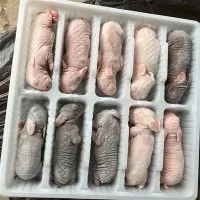
Our Whole Frozen Rabbits have multiple uses. They are a great option for Frozen Rabbits for Reptiles. Many reptile owners choose frozen rabbits as a nutritious and convenient food source for their pets. Reptiles need a balanced diet, and rabbits provide a good amount of protein and other essential nutrients.
They are also popular as Frozen Rabbits for Snake Food. Snakes in captivity often rely on frozen prey items, and rabbits are a great choice. They are large enough to satisfy the hunger of bigger snakes, and they are easy to store and handle.
As a supplier of Whole Frozen Rabbit, I'm committed to ensuring that our products are not only of high quality but also environmentally friendly. We work closely with our farmers to ensure that the rabbits are raised in a sustainable way. We make sure that they have access to clean water, proper nutrition, and a comfortable living environment.
In addition, we are constantly looking for ways to improve our processes. We are exploring more energy - efficient freezing methods and better packaging options that are more eco - friendly. We believe that by making these small changes, we can have a big impact on the environment.
When it comes to transportation, we try to optimize our routes to reduce fuel consumption. We also work with logistics partners who share our commitment to sustainability. By doing this, we can further minimize the environmental impact of getting our whole frozen rabbits to our customers.
So, is whole frozen rabbit environmentally friendly? In my opinion, the answer is a resounding yes. When you look at the big picture, from the way rabbits are raised to the energy used in freezing and transporting them, they have a much lower environmental impact compared to other types of meat.
If you're interested in purchasing our Whole Frozen Rabbits, whether it's for reptile food or other purposes, I'd love to have a chat with you. We can discuss your specific needs, and I'm sure we can find a solution that works for you.
In conclusion, whole frozen rabbits offer a sustainable and environmentally friendly alternative to other types of meat. They are efficient to produce, have a lower carbon footprint, and are a great source of nutrition for various animals. So, if you're looking for a high - quality and eco - friendly product, give our Whole Frozen Rabbits a try.
References
- "Livestock's Long Shadow: Environmental Issues and Options", Food and Agriculture Organization of the United Nations
- "The Environmental Impact of Different Types of Meat Production", Journal of Sustainable Food Systems