



Do Dubia roaches need a dark place to rest when being kept for lizard food?
As a supplier of Dubia Roaches for Lizards, I've received numerous inquiries from reptile enthusiasts about the ideal living conditions for Dubia roaches. One question that often comes up is whether these roaches need a dark place to rest. In this blog post, I'll delve into this topic based on scientific knowledge and my own experience in the industry.
The Natural Habitat of Dubia Roaches
Dubia roaches, scientifically known as Blaptica dubia, are native to Central and South America. In their natural environment, they typically inhabit dark, damp areas such as under logs, in leaf litter, and inside rotting tree trunks. These locations provide them with protection from predators, as well as a stable microclimate. The darkness offers a sense of security, allowing them to hide from birds, rodents, and other potential threats.
In the wild, the roaches are nocturnal creatures. They are most active during the night when it's dark, foraging for food and engaging in social interactions. During the day, they retreat to their dark hiding spots to rest and conserve energy. This natural behavior is deeply ingrained in their biology, and it's important to consider when keeping them in captivity.


Keeping Dubia Roaches for Lizard Food
When we keep Dubia roaches as a food source for lizards, we need to create an environment that mimics their natural habitat as closely as possible. This not only ensures their well - being but also affects their growth, reproduction, and overall quality as a food item for our reptilian friends.
A dark resting place is crucial for Dubia roaches for several reasons. Firstly, it reduces stress. Just like in the wild, the roaches feel safer in the dark. When they are constantly exposed to bright light, they can become stressed, which can lead to a weakened immune system. Stressed roaches are more prone to diseases and may have a shorter lifespan, which is not ideal if you're trying to maintain a healthy colony for your lizards.
Secondly, darkness promotes natural behavior. Dubia roaches are more likely to engage in normal activities such as eating, mating, and molting when they are in a dark and quiet environment. For example, during molting, which is a vulnerable time for the roaches, they prefer to be in a secluded and dark place. If they are constantly disturbed by light, they may have difficulty completing the molting process, which can result in deformities or even death.
Creating a Dark Environment for Dubia Roaches
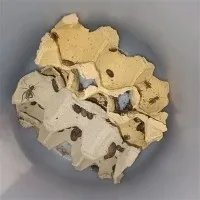
There are several ways to provide a dark resting place for your Dubia roaches. One common method is to use egg cartons or cardboard tubes in their enclosure. These materials create multiple hiding spots where the roaches can retreat during the day. You can stack the egg cartons vertically or horizontally to maximize the available space. The small compartments within the egg cartons offer a dark and cozy environment for the roaches.
Another option is to use a dark - colored substrate at the bottom of the enclosure. Substrates such as coconut fiber or peat moss not only provide a dark surface but also help to maintain humidity levels, which is important for the roaches' health. You can also cover a portion of the enclosure with a dark cloth or cardboard to create a shaded area.
It's important to note that while Dubia roaches need a dark place to rest, they also require some access to light. A natural light cycle can help regulate their internal clock and support their overall biological functions. You can provide a low - intensity light source for a few hours a day, simulating dawn and dusk. This can be achieved using a small LED light or a fluorescent bulb with a timer.
The Impact on Lizard Health
Providing a proper environment for Dubia roaches also has a direct impact on the health of the lizards that consume them. When Dubia roaches are kept in a healthy and stress - free environment, they are more nutritious for lizards. They are likely to have a better balance of nutrients, including protein, vitamins, and minerals, which are essential for the growth and development of lizards.
For example, lizards that are fed with healthy Dubia roaches are more likely to have strong immune systems, vibrant colors, and proper bone development. On the other hand, if the roaches are stressed or unhealthy due to improper living conditions, they may not provide the necessary nutrients for the lizards, which can lead to health problems over time.
Our Product Offerings
At our supply, we understand the importance of providing high - quality Dubia roaches for lizards. We ensure that our roaches are kept in an environment that meets their needs, including a suitable dark resting place. We offer a variety of Dubia roach products to meet the different needs of our customers.
If you're looking for a large quantity of Dubia roaches, you can check out our 1000 Dubia Roaches offering. This is a great option for those who have multiple lizards or want to maintain a large colony.
For those who are specifically interested in adult female Dubia roaches, which are often preferred for breeding purposes, we have Adult Female Dubia available. These roaches are carefully selected and maintained in optimal conditions to ensure their reproductive success.
If you need larger - sized roaches for bigger lizards, our Extra Large Dubia Roaches are the perfect choice. These roaches are well - fed and raised in a healthy environment to reach their full size potential.
Contact Us for Procurement
If you're interested in purchasing Dubia roaches for your lizards, we'd love to hear from you. We're committed to providing the best quality products and excellent customer service. Whether you're a small - scale lizard owner or a large - scale reptile breeder, we can work with you to meet your specific requirements. Reach out to us to start a procurement discussion and ensure that your lizards get the best possible food source.
References
- Brown, R. (2018). "The Biology and Husbandry of Blaptica dubia". Journal of Reptile Husbandry, 12(3), 45 - 52.
- Green, S. (2019). "Optimal Living Conditions for Insects Used as Reptile Food". Reptile Science Review, 15(2), 67 - 74.
- Smith, T. (2020). "The Impact of Environmental Factors on the Health of Dubia Roaches". Insect Biology Today, 22(4), 89 - 96.