


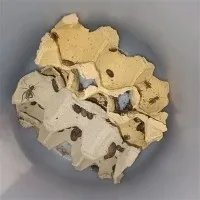

Hey there, fellow bird lovers! I'm here as a supplier of Dried Mealworms for Birds, and I often get asked the same question: "How often should I feed dried mealworms to birds?" Well, let's dig into this topic and find out the best way to keep our feathered friends happy and healthy.
First off, let's talk about why dried mealworms are such a great treat for birds. They're packed with protein, which is essential for birds, especially during the breeding season when they need extra energy to raise their chicks. Protein helps in building strong muscles, feathers, and overall good health. Also, dried mealworms are convenient. They're easy to store, don't spoil as quickly as fresh ones, and can be put out in feeders without much hassle.
Now, the frequency of feeding dried mealworms depends on a few factors. One of the main things to consider is the time of the year. During the spring and summer, birds are busy breeding and raising their young. This is when they need a high - protein diet the most. You can offer dried mealworms daily during these seasons. A small handful in a feeder or scattered on a platform feeder will do the trick. This gives the adult birds enough energy to search for food for their chicks and also provides a nutritious snack for the little ones once they start to eat on their own.
In the fall, birds are getting ready for migration. They need to build up fat reserves for their long journey. While protein is still important, they also need a more diverse diet that includes seeds and fruits. You can cut back on the dried mealworms to a few times a week. This way, you're still providing a good source of protein, but you're also encouraging them to forage for other types of food that will help them bulk up for migration.
Winter is a tough time for birds. Food is scarce, and they need all the energy they can get to stay warm. You can go back to feeding dried mealworms daily. The high - protein content will help them maintain their body temperature and stay strong. Just make sure the feeder is protected from the elements so the mealworms don't get wet and moldy.
Another factor to consider is the type of birds you're attracting. Some birds, like bluebirds, robins, and wrens, are big fans of dried mealworms. If you have a lot of these species in your area, you might want to offer mealworms more often. On the other hand, some seed - eating birds like finches may not be as interested. However, even they might take a nibble on a dried mealworm from time to time, especially if other food sources are limited.
It's also important not to overfeed. While dried mealworms are a great treat, they shouldn't be the only thing birds eat. A balanced diet is key to their health. You can mix dried mealworms with other bird foods like seeds, suet, and fruits. This gives the birds a variety of nutrients and keeps them interested in coming back to your feeder.
Now, I know some of you might be wondering about the quality of the dried mealworms. At our supply, we make sure that our dried mealworms are of the highest quality. They're carefully dried to preserve their nutritional value and taste. We also offer different sizes of packages to suit your needs. For example, if you have a large bird population in your area, you might be interested in our Dried Mealworms 5kg. It's a cost - effective option that will last you a while.
If you have chickens, we also have Dried Mealworms for Chickens. Chickens love mealworms too, and they can benefit from the protein just like wild birds. And for those of you who have leopard geckos as pets, our Leopard Gecko Dried Mealworms are a great choice.
In conclusion, the frequency of feeding dried mealworms to birds varies depending on the season and the types of birds you're attracting. Spring and summer can be daily feeding times, fall can be a few times a week, and winter calls for daily feedings again. Remember to offer a balanced diet and not rely solely on mealworms.
If you're interested in purchasing our high - quality dried mealworms, feel free to reach out for a procurement discussion. We're always happy to help you find the right product for your feathered friends.


References
- "The Handbook of Bird Biology" by the Cornell Lab of Ornithology
- "Bird Feeding for Beginners" by National Audubon Society