



As a seasoned supplier of frozen rats, I've encountered numerous inquiries about defrosting methods. While there are traditional ways such as using a refrigerator or cold water, I'm here to share some non - traditional yet scientifically sound methods to defrost frozen rats.
The Science Behind Defrosting
Before delving into non - traditional methods, it's essential to understand the science of defrosting. When food (in this case, frozen rats) is at a very low temperature, the ice crystals within it need to transform from a solid to a liquid state. The rate at which this occurs matters because rapid defrosting can lead to uneven thawing, which may cause spoilage on the outer layers while the inner parts remain frozen. Slow defrosting in a refrigerator is a traditional and safe method, but it can be time - consuming.

Non - Traditional Defrosting Method 1: The Warm Air Circulation Technique
One non - traditional method is using warm air circulation. You can use a hair dryer on a low - heat setting to gently blow warm air around the frozen rat. The key here is to keep the hair dryer at a safe distance, around 6 - 8 inches, to prevent overheating one area. The moving air helps to transfer heat more evenly than just ambient air.
Why does this work? According to principles of heat transfer, convective heat transfer occurs when a fluid (in this case, air) is in motion. The warm, moving air around the frozen rat will transfer its heat to the rat, gradually melting the ice crystals. However, it's crucial to monitor the process closely. You don't want to cook the rat, which would make it unsuitable for its intended use, whether it's for snake food or scientific research.
Non - Traditional Defrosting Method 2: The Saltwater Bath
Another non - traditional approach involves using a saltwater bath. Make a saltwater solution with about 1/4 cup of salt per gallon of water. Place the frozen rat in a sealed plastic bag and submerge it in the saltwater bath. Salt lowers the freezing point of water, which means the saltwater can conduct heat more effectively to the frozen rat.
The science behind this is based on the colligative property of solutions. When salt is dissolved in water, it disrupts the formation of ice crystals and allows the water to stay in a liquid state at lower temperatures. This results in a more efficient heat transfer to the frozen rat, speeding up the defrosting process compared to pure water.
Non - Traditional Defrosting Method 3: The Microwave with Caution
Using a microwave can be a very quick way to defrost, but it must be done with extreme caution. Set the microwave to its lowest power level and use short intervals of about 10 - 15 seconds, followed by flipping the frozen rat and checking its progress. This is because microwaves heat food unevenly, and frozen rats are no exception.
In a microwave, electromagnetic waves cause water molecules in the rat to vibrate, generating heat. However, if not monitored carefully, the outer parts of the rat can quickly overheat and cook while the inside remains frozen. It's a high - risk method, but when done correctly, it can save a lot of time.
Our Frozen Rat Products
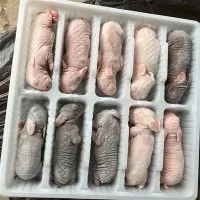
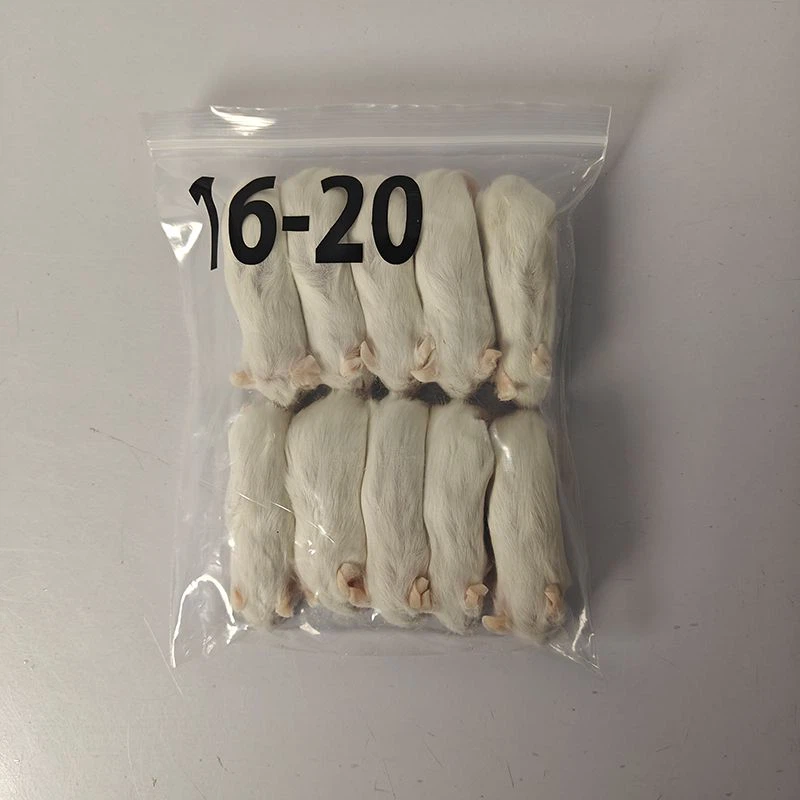
At our company, we take pride in providing high - quality frozen rats. We offer a variety of products, including Frozen Pinks Rats, Frozen Pinks Mice, and High White Rat. These products are sourced from trusted suppliers, frozen at the optimal temperature to preserve their quality and nutritional value.
Safety Considerations
When defrosting frozen rats, safety should always be a top priority. Whether you're using a non - traditional or traditional method, make sure to follow proper hygiene practices. Wash your hands thoroughly before and after handling the frozen rats. If you're using a container for defrosting, clean it properly after each use.
Conclusion
In conclusion, there are several non - traditional ways to defrost frozen rats, each with its own set of scientific principles. The warm air circulation technique uses convective heat transfer, the saltwater bath takes advantage of colligative properties, and the microwave uses electromagnetic waves for rapid defrosting (with caution).
If you're in the market for high - quality frozen rats, our company is your go - to supplier. We are committed to providing you with the best products for your needs, whether it's for reptile feeding or scientific research. If you have any questions about our products or defrosting methods, we'd love to have a conversation with you. Feel free to reach out to discuss your procurement needs.
References
- Principles of Food Science and Technology, Third Edition
- Scientific Research on Frozen Food Preservation and Thawing Methods