



Labeling frozen rats for reptiles is a crucial aspect of our business as a supplier of Frozen Rats for Reptiles. Proper labeling ensures easy identification, which is not only beneficial for our customers but also essential for maintaining the quality and safety of our products. In this blog post, I will share the methods and considerations we use to label our frozen rats effectively.
Why Labeling is Important
Before delving into the labeling process, it's important to understand why labeling is so crucial. First and foremost, labeling provides vital information about the product. For reptile owners, knowing the size, age, and origin of the frozen rats is essential for ensuring that they are providing the appropriate diet for their pets. Different reptiles have different dietary requirements, and the size of the prey is a critical factor. For example, smaller snakes may require Small Frozen Rats for Snakes, while larger ones can handle bigger prey.
Secondly, labeling helps with inventory management. As a supplier, we deal with a large quantity of frozen rats. Proper labeling allows us to keep track of our stock, monitor expiration dates, and ensure that we are rotating our inventory correctly. This helps to prevent waste and ensures that our customers always receive fresh and high - quality products.
Finally, labeling is a legal requirement in many regions. It ensures that our products meet the necessary safety and quality standards, and it provides transparency to our customers about what they are purchasing.
Information to Include on Labels
1. Size and Weight
The size and weight of the frozen rat are perhaps the most important pieces of information to include on the label. We measure the length of the rat from the tip of the nose to the base of the tail and record the weight in grams. This information helps reptile owners select the appropriate prey for their pets. For instance, a juvenile snake may need a smaller, lighter rat, while an adult python may require a larger, heavier one.
2. Age
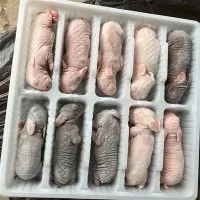
The age of the rat can also affect its nutritional value and suitability for different reptiles. We categorize our rats into different age groups, such as pinkies (newborns), fuzzies (a few days old), hoppers (a couple of weeks old), and adults. Each age group has a distinct appearance and nutritional profile. For example, Suckling Mouse are very small and are often used for feeding baby snakes or other small reptiles.
3. Date of Freezing
The date of freezing is crucial for inventory management and quality control. It allows us to track how long the product has been in storage and ensures that we are selling the oldest stock first. Reptile owners also benefit from this information as they can gauge the freshness of the product.
4. Origin
We include information about the origin of the rats on the label. This tells our customers where the rats were raised and what kind of environment they came from. We source our rats from reputable breeders who follow strict animal welfare and quality control standards. This transparency builds trust with our customers and gives them confidence in the quality of our products.
5. Handling and Storage Instructions
It's important to provide clear instructions on how to handle and store the frozen rats. We recommend that customers keep the rats frozen at all times until they are ready to be fed to their reptiles. Once thawed, the rats should be used immediately and not refrozen. This helps to maintain the nutritional value and safety of the product.
6. Batch Number
A batch number is assigned to each group of frozen rats that are processed together. This allows us to trace the product back to its source in case of any quality issues or recalls. It also helps us to monitor the quality of our production process over time.
Labeling Methods
1. Printed Labels
We use high - quality, waterproof printed labels for our frozen rats. These labels are designed to withstand the cold temperatures and moisture in the freezer. The text on the labels is clear and easy to read, even after long - term storage. We print the labels in a variety of sizes to fit different packaging options.
2. Color - Coding
In addition to printed labels, we also use color - coding to make identification even easier. For example, we may use different colored labels for different age groups of rats. This allows our customers to quickly identify the type of rat they need at a glance, especially when they are in a hurry.
3. Barcoding
Barcoding is another useful method for labeling our frozen rats. Each barcode contains all the relevant information about the product, such as size, weight, age, and batch number. This makes it easier for us to scan and track our inventory, and it also provides a convenient way for our customers to access detailed product information using a barcode scanner on their smartphones.
Placement of Labels
We place the labels on the packaging of the frozen rats in a prominent location. For individual rats, we use small, adhesive labels that are attached directly to the plastic bag in which the rat is sealed. For bulk packages, we print larger labels that cover a significant portion of the box. This ensures that the information is visible and easy to read, whether the customer is looking at a single rat or a large shipment.
Quality Control of Labels
We have a strict quality control process in place to ensure that our labels are accurate and legible. Before a batch of labels is applied to the frozen rats, we conduct a sample check. We verify that all the information on the label is correct, that the printing is clear, and that the label adheres properly to the packaging.
We also regularly review and update our labels to ensure that they comply with any changes in regulations or customer requirements. This helps us to maintain the highest standards of quality and safety in our products.
Conclusion
Properly labeling frozen rats for reptiles is an essential part of our business as a supplier. It provides important information to our customers, helps us manage our inventory, and ensures that our products meet the necessary legal and quality standards. By including detailed information such as size, weight, age, date of freezing, origin, handling instructions, and batch number on our labels, and by using effective labeling methods such as printed labels, color - coding, and barcoding, we are able to offer a high - quality and user - friendly product.


If you are a reptile owner or a pet store looking for a reliable supplier of frozen rats for reptiles, we would love to hear from you. We are committed to providing the best quality products and excellent customer service. Contact us to discuss your purchasing needs and to learn more about our range of Frozen Rats for Reptiles.
References
- "Best Practices for Labeling Food Products", Food and Drug Administration (FDA)
- "Reptile Nutrition and Feeding", Journal of Herpetological Medicine and Surgery
- "Inventory Management in the Frozen Food Industry", International Journal of Logistics and Supply Chain Management