




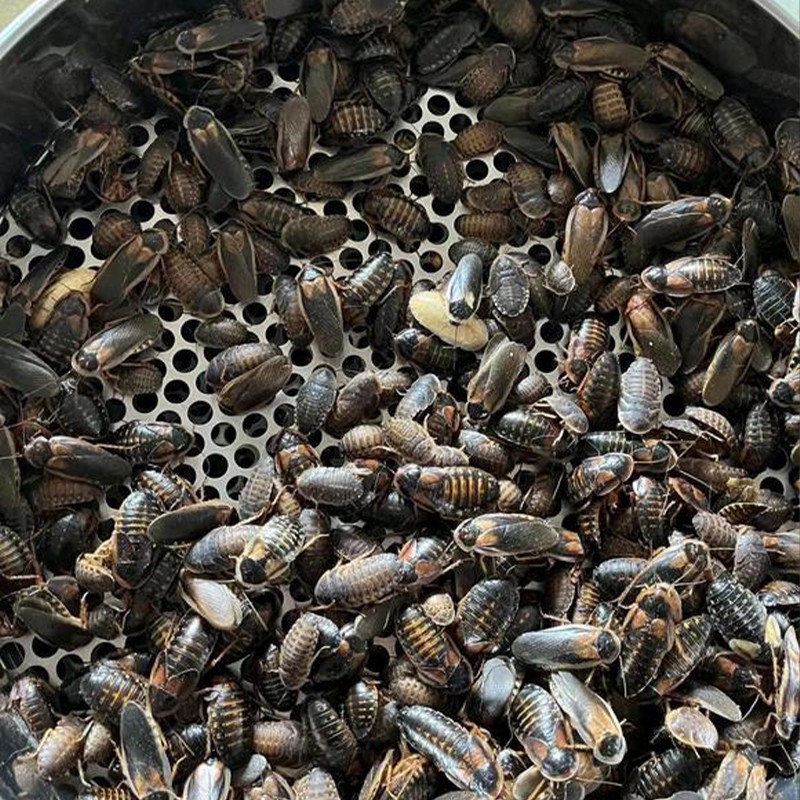
As a supplier of 500 Medium Dubia Roaches, ensuring proper ventilation for these insects is of utmost importance. Dubia roaches, scientifically known as Blaptica dubia, are popular feeder insects for reptiles, amphibians, and some birds due to their high nutritional value. However, maintaining a healthy environment for them is crucial to prevent diseases and ensure their well - being. In this blog, I will share some effective ways to ensure proper ventilation for my stock of 500 Medium Dubia Roaches.
Understanding the Importance of Ventilation
Ventilation plays a vital role in the health of Dubia roaches. Stagnant air can lead to the accumulation of harmful gases such as ammonia, which is produced by the roaches' waste. High levels of ammonia can cause respiratory problems for the roaches, making them more susceptible to diseases. Additionally, proper ventilation helps to control humidity levels. Excessive humidity can create a breeding ground for mold and bacteria, which can also harm the roaches. On the other hand, too little humidity can cause the roaches to dry out and die.
Choosing the Right Enclosure
The first step in ensuring proper ventilation is to choose the right enclosure for the 500 Medium Dubia Roaches. A plastic or glass container with a secure lid is a popular choice. However, it's important to make sure that the container is large enough to provide sufficient space for the roaches to move around. A general rule of thumb is to provide at least 1 square foot of floor space for every 100 roaches.
To ensure ventilation, I drill small holes in the lid of the container. The holes should be small enough to prevent the roaches from escaping but large enough to allow for air exchange. I usually drill holes that are about 1/16 to 1/8 of an inch in diameter, spaced evenly across the lid. This creates a network of small air vents that allow fresh air to enter and stale air to exit the container.
Using Mesh Screens
In addition to drilling holes in the lid, I also use mesh screens. Mesh screens can be placed on the sides or top of the enclosure to provide additional ventilation. I prefer using a fine - mesh screen that has small enough openings to keep the roaches inside while allowing for good air circulation.
When using mesh screens, it's important to make sure that they are securely attached to the enclosure. Loose screens can allow the roaches to escape. I use zip ties or adhesive to attach the mesh screen to the container, ensuring a tight fit. This not only provides ventilation but also helps to prevent the entry of other pests such as flies and ants.
Monitoring and Controlling Humidity
As mentioned earlier, proper ventilation helps to control humidity levels. I use a hygrometer to monitor the humidity inside the enclosure. The ideal humidity range for Dubia roaches is between 40% and 60%. If the humidity is too high, I increase the ventilation by making more holes in the lid or adding larger mesh screens. I can also place a dehumidifier near the enclosure to remove excess moisture from the air.
Conversely, if the humidity is too low, I can place a shallow dish of water inside the enclosure. The water will evaporate, increasing the humidity levels. However, I need to be careful not to create a situation where the enclosure becomes too wet, as this can lead to mold growth.
Airflow and Circulation
To further enhance ventilation, I make sure that there is proper airflow and circulation around the enclosure. I place the container in a well - ventilated area of my facility, away from direct sunlight and heat sources. I also avoid overcrowding the area around the enclosure, as this can block the airflow.

I sometimes use a small fan to create a gentle breeze around the enclosure. The fan helps to circulate the air, ensuring that fresh air reaches all parts of the container. However, I make sure that the fan is not blowing directly into the enclosure, as this can cause the roaches to become stressed.
Cleaning and Maintenance
Regular cleaning and maintenance of the enclosure are essential for maintaining proper ventilation. I clean the enclosure at least once a week to remove any waste, uneaten food, and dead roaches. This helps to prevent the build - up of harmful substances and keeps the air inside the enclosure clean.
When cleaning the enclosure, I also check the ventilation holes and mesh screens for any blockages. If I find any blockages, I clear them immediately to ensure that the air can flow freely. I also replace the mesh screen if it becomes damaged or dirty, as a damaged screen can reduce ventilation efficiency.
Conclusion
Ensuring proper ventilation for my 500 Medium Dubia Roaches is a multi - step process that involves choosing the right enclosure, using mesh screens, monitoring and controlling humidity, promoting airflow and circulation, and regular cleaning and maintenance. By following these steps, I can provide a healthy and comfortable environment for the roaches, which in turn ensures their quality as feeder insects.
If you are interested in purchasing Dried Dubia Roaches, Extra Large Dubia Roaches, or Adult Female Dubia, or if you have any questions about our products, please feel free to contact me for a procurement discussion. I am always happy to assist you in finding the right Dubia roaches for your needs.
References
- Smith, J. (2018). "The Care and Keeping of Dubia Roaches." Reptile Magazine.
- Johnson, A. (2019). "Feeder Insects: A Guide to Raising Dubia Roaches." Exotic Pet Journal.
- Brown, C. (2020). "Optimal Environmental Conditions for Dubia Roaches." Insect Science Review.