



In the world of reptile and exotic pet keeping, the question of whether frozen rats are more convenient than live rats is a topic that sparks considerable debate. As a supplier of frozen rats, I've witnessed firsthand the various perspectives on this matter. In this blog post, I'll delve into the key aspects of this discussion to help you make an informed decision.
Safety and Hygiene
One of the most significant advantages of frozen rats is the enhanced safety and hygiene they offer. Live rats can carry a variety of diseases and parasites that can be transmitted to your pets. These pathogens can pose serious health risks to reptiles and other animals that consume them. For example, rats may carry bacteria such as Salmonella, which can cause severe illness in reptiles and even be transmitted to humans through handling.
Frozen rats, on the other hand, are typically sourced from reputable breeders and undergo a freezing process that kills most pathogens. This significantly reduces the risk of disease transmission. When you purchase frozen rats from a reliable supplier, you can have peace of mind knowing that you're providing a safe food source for your pets.

Ease of Storage and Handling
Another major benefit of frozen rats is their ease of storage and handling. Live rats require proper housing, feeding, and care, which can be time - consuming and expensive. You need to provide them with a suitable cage, fresh food, and water on a regular basis. Additionally, live rats can be unpredictable and may bite or scratch during handling, posing a risk to you and your pets.
Frozen rats, however, can be stored in your freezer until you're ready to use them. They take up minimal space and can be easily thawed when needed. Thawing a frozen rat is a simple process that can be done by placing it in the refrigerator overnight or in a warm water bath for a shorter period. This convenience makes frozen rats a practical choice for busy pet owners.
Ethical Considerations
Ethical concerns also play a role in the decision between frozen and live rats. Some pet owners feel that feeding live rats to their pets is inhumane, as the rat may experience stress and pain during the predation process. In nature, predators often kill their prey quickly, but in a captive environment, the situation can be different.
Frozen rats eliminate this ethical dilemma. Since the rat is already deceased, there is no suffering involved. This makes frozen rats a more ethically responsible choice for many pet owners who want to ensure the well - being of all animals involved.
Nutritional Value
When it comes to nutritional value, frozen rats are comparable to live rats. The freezing process preserves the essential nutrients that are vital for the health of your pets. Rats are a rich source of protein, fat, and other nutrients that are necessary for the growth and development of reptiles and other carnivorous pets.
However, it's important to note that proper thawing and handling of frozen rats are crucial to maintain their nutritional integrity. Over - thawing or improper storage can lead to nutrient loss. As a supplier, I always recommend following the correct thawing procedures to ensure that your pets receive the full nutritional benefits.
Variety of Options
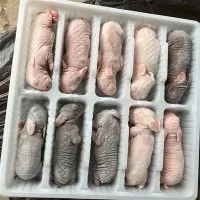
As a frozen rat supplier, I offer a wide range of options to meet the diverse needs of pet owners. For example, we have Frozen Pinks Mouse, which are ideal for smaller reptiles and young animals. These pinky mice are small in size and provide a suitable meal for animals with a more delicate appetite.
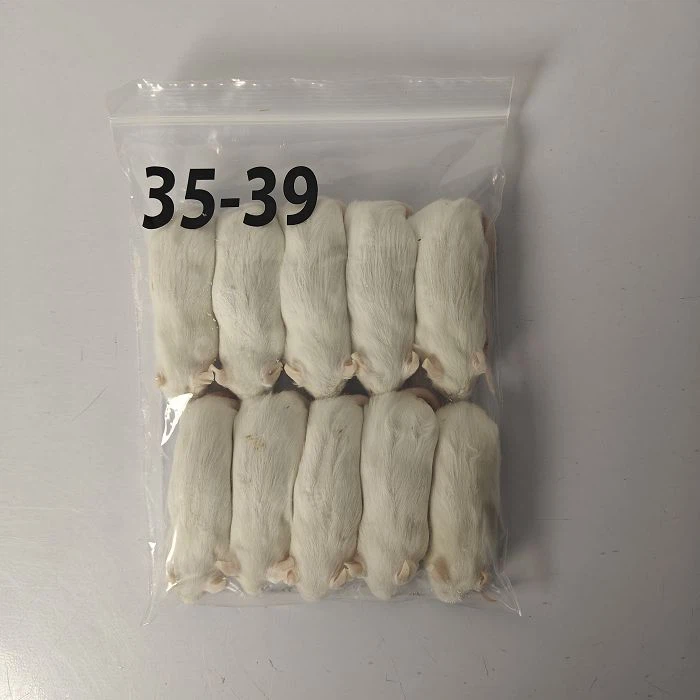
We also have White Fluffy Rat and Small White Rats, which come in different sizes to accommodate various pet species. Whether you have a small gecko or a large python, we have the right frozen rodent to meet your pet's dietary requirements.
Cost - Effectiveness
In terms of cost, frozen rats are often more cost - effective than live rats. The cost of purchasing and maintaining live rats over time can add up, especially if you have multiple pets or if your pet has a high food intake. Frozen rats, on the other hand, are sold in bulk at a reasonable price. You can purchase a large quantity and store them in your freezer, which can save you money in the long run.
Feeding Behavior of Pets
Some pet owners worry that their pets may not accept frozen rats as readily as live ones. However, with proper training and acclimation, most pets can be trained to eat frozen rats. In fact, many reptiles and other carnivorous pets do not seem to distinguish between frozen and live prey once they are used to the taste and smell of frozen rodents.
To encourage your pet to eat frozen rats, you can try warming the thawed rat slightly to mimic the body temperature of a live prey. You can also use feeding tongs to present the rat in a way that stimulates your pet's hunting instincts.
Availability
Frozen rats are generally more readily available than live rats. As a supplier, I ensure a consistent supply of frozen rodents throughout the year. This means that you don't have to worry about running out of food for your pets, especially during times when live rats may be difficult to find.
Live rats, on the other hand, may be subject to seasonal availability and may not always be in stock at your local pet store. This can be a problem if you rely on live rats to feed your pets.
Conclusion
In conclusion, frozen rats offer numerous advantages over live rats in terms of safety, hygiene, convenience, ethics, and cost - effectiveness. They are a practical and responsible choice for pet owners who want to provide the best care for their animals.
If you're interested in purchasing frozen rats for your pets, I invite you to contact me for more information. We can discuss your specific needs and I'll be happy to assist you in finding the right frozen rodents for your pets. Whether you have a snake, a lizard, or another carnivorous pet, we have the products to meet your requirements.
References
- Brown, J. (2018). "Nutritional Requirements of Reptiles". Journal of Exotic Pet Nutrition.
- Smith, A. (2020). "Ethical Considerations in Feeding Reptiles". Animal Welfare Journal.
- Johnson, R. (2019). "Safety and Hygiene in Pet Feeding". Pet Health Magazine.