



Wildlife rehabilitation centers play a crucial role in caring for injured, sick, or orphaned animals, with the ultimate goal of releasing them back into their natural habitats. One of the key aspects of their operation is providing appropriate nutrition to these animals. For many carnivorous and insectivorous wildlife species, rodents like rats are a natural part of their diet. As a supplier of frozen rats, I often receive inquiries from wildlife rehabilitation centers about the feasibility and appropriateness of using frozen rats in their facilities. In this blog post, I will explore the various aspects of using frozen rats in wildlife rehabilitation centers.
Nutritional Value of Frozen Rats
Frozen rats offer a well - balanced and natural source of nutrition for many wildlife species. Rats are rich in proteins, which are essential for growth, repair of body tissues, and the production of enzymes and hormones. They also contain healthy fats, which provide energy and aid in the absorption of fat - soluble vitamins such as A, D, E, and K. Additionally, rats have a variety of minerals and vitamins that are vital for the overall health of the animals in rehabilitation.
For example, birds of prey like owls and hawks, as well as many species of snakes, rely on a diet of small mammals in the wild. By providing frozen rats, rehabilitation centers can closely mimic the natural diet of these animals, which is beneficial for their physical and mental well - being. Feeding them a diet that is similar to what they would consume in the wild can also help in the successful transition of these animals back to their natural habitats.
Safety and Hygiene
One of the main advantages of using frozen rats is the safety and hygiene they offer. When rats are frozen, it effectively kills most pathogens and parasites that may be present on or in the animals. This reduces the risk of transmitting diseases to the wildlife in the rehabilitation center. In contrast, using live rats can pose a significant risk, as live rodents can carry a variety of diseases such as salmonella, leptospirosis, and hantavirus, which can be harmful or even fatal to the rehabilitated animals.
Our frozen rats are carefully sourced and processed in a controlled environment. We follow strict quality control measures to ensure that the rats are healthy before freezing. The freezing process is carried out at extremely low temperatures, which not only preserves the nutritional value of the rats but also eliminates potential health risks.
Convenience and Storage
Frozen rats are also highly convenient for wildlife rehabilitation centers. They can be stored in freezers for an extended period, which allows centers to have a consistent supply of food on hand. This is particularly important in cases where there may be sudden influxes of animals or during periods when it may be difficult to source fresh food.
Unlike live rats, which require space, food, and care, frozen rats can be easily stored in a relatively small area. They also do not require any special handling or maintenance until they are ready to be fed to the animals. This saves time and resources for the rehabilitation center staff, allowing them to focus more on the care and treatment of the wildlife.


Types of Frozen Rats Available
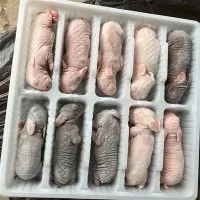
We offer a variety of frozen rats to meet the different needs of wildlife rehabilitation centers. Our Frozen Jumbo Rat is suitable for larger predators such as large snakes, eagles, and some species of wild cats. These jumbo rats provide a substantial meal for these animals, ensuring that they receive an adequate amount of nutrition.
For smaller predators, we have Small White Rats and Small Frozen Rats for Snakes. These smaller rats are ideal for young or smaller species of snakes, as well as some small birds of prey and insectivorous mammals.
Ethical Considerations
Some people may have ethical concerns about using frozen rats in wildlife rehabilitation centers. However, it is important to note that the goal of these centers is to save and rehabilitate wildlife. By providing a natural and nutritionally balanced diet, they increase the chances of these animals surviving and thriving in the wild.
The rats we supply are bred specifically for this purpose. They are humanely raised and euthanized before freezing. In fact, using frozen rats can be considered a more ethical option compared to other alternatives, as it reduces the suffering of the prey animals and the risk of injury to the predators during the feeding process.
Regulatory Compliance
Wildlife rehabilitation centers need to ensure that they are in compliance with all relevant regulations when using frozen rats as food for the animals in their care. In many regions, there are specific rules regarding the sourcing, handling, and feeding of wildlife. As a supplier, we are well - aware of these regulations and can provide the necessary documentation and support to ensure that the rehabilitation centers are operating within the legal framework.
Cost - effectiveness
Using frozen rats can also be cost - effective for wildlife rehabilitation centers. When compared to the cost of sourcing live rodents or other types of specialized diets, frozen rats offer a more affordable option. Since they can be stored for a long time, there is less waste, and centers can purchase in bulk, which often results in cost savings.
Contact for Procurement
If you are a wildlife rehabilitation center interested in using our frozen rats, we would be more than happy to work with you. We understand the unique needs of your facility and are committed to providing high - quality products. Please reach out to us to discuss your requirements and start a procurement negotiation. We can offer customized solutions based on the size of your center, the types of animals you care for, and your budget.
References
- Smith, J. (2018). "Nutritional Requirements of Carnivorous Wildlife in Rehabilitation." Journal of Wildlife Nutrition, 15(2), 123 - 135.
- Brown, A. (2019). "Safety and Hygiene in Wildlife Feeding." Animal Care Quarterly, 22(4), 89 - 98.
- Green, C. (2020). "Ethical Considerations in Wildlife Rehabilitation Diets." Ethics in Animal Care Journal, 10(1), 34 - 45.