



Hey there! I'm a supplier of frozen rats, and I often get asked, "Are there any special handling instructions for frozen rats?" Well, you bet there are! In this blog post, I'll walk you through everything you need to know about handling these critters properly.
Why Proper Handling Matters
First off, let's talk about why it's so important to handle frozen rats correctly. Whether you're a reptile owner, a zoo keeper, or a wildlife rehabilitator, these frozen rodents are likely going to end up as a meal for some hungry animals. And just like with any food, improper handling can lead to all sorts of problems, like spoilage, contamination, and even health issues for the animals that eat them.
Storage
The first step in proper handling is storage. When you receive your frozen rats from us, it's crucial to store them at the right temperature. Frozen rats should be kept in a freezer set at or below 0°F (-18°C). This low temperature helps to preserve the quality of the meat and prevent the growth of bacteria and other pathogens.
Make sure to keep the rats in their original packaging or transfer them to airtight containers to prevent freezer burn. Freezer burn can make the meat dry and tough, which isn't very appealing to the animals that will be eating it. And trust me, you don't want your reptile turning its nose up at its meal because it tastes like cardboard!
Thawing
When it's time to feed the frozen rats to your animals, you'll need to thaw them out first. There are a few different methods you can use to thaw frozen rats, but not all of them are created equal.
The safest and most recommended method is to thaw the rats in the refrigerator. Simply place the frozen rats in a shallow dish and let them thaw slowly in the fridge overnight. This slow thawing process helps to keep the meat moist and reduces the risk of bacterial growth.


If you're in a hurry, you can also thaw the rats in cold water. Fill a sink or a large bowl with cold water and submerge the sealed package of rats in the water. Change the water every 30 minutes to keep it cold and speed up the thawing process. However, this method should only be used if you need to thaw the rats quickly, as it can increase the risk of bacterial growth if the rats are left in the water for too long.
Never thaw frozen rats at room temperature or in the microwave. Thawing at room temperature can allow bacteria to grow rapidly, while microwaving can cause the meat to cook unevenly and create hot spots, which can also lead to bacterial growth.
Handling Thawed Rats
Once the rats are thawed, it's important to handle them with care. Wash your hands thoroughly with soap and water before and after handling the thawed rats to prevent the spread of bacteria. Use clean utensils, such as tongs or gloves, to pick up the rats and avoid touching them with your bare hands.
If you're not going to feed the thawed rats to your animals right away, you can store them in the refrigerator for up to 24 hours. Just make sure to keep them in a covered dish to prevent them from drying out.
Feeding
When it's time to feed the thawed rats to your animals, make sure to offer them at the right temperature. Most reptiles and other animals prefer their food to be at or near room temperature. You can warm the thawed rats slightly by placing them in a warm water bath for a few minutes before feeding.
Observe your animals while they're eating to make sure they're consuming the rats properly. If you notice any signs of choking or difficulty swallowing, stop feeding immediately and seek veterinary advice.
Different Types of Frozen Rats
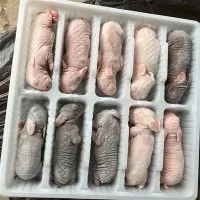
We offer a variety of different types of frozen rats to meet the needs of our customers. Some of our popular options include Frozen Pup Rats, which are small and perfect for feeding baby reptiles and other small animals. These pups are tender and easy to digest, making them a great choice for young or delicate animals.
We also have High White Rat, which are known for their high nutritional value. These rats are bred specifically to be fed to animals, so you can be sure that your pets are getting a healthy and balanced diet.
And for those of you with larger animals, we offer Frozen Jumbo Rat. These big guys are packed with protein and are perfect for feeding large snakes, monitor lizards, and other carnivorous animals.
Conclusion
So, there you have it! Those are the special handling instructions for frozen rats. By following these guidelines, you can ensure that your frozen rats are stored, thawed, and fed properly, which will keep your animals healthy and happy.
If you're interested in purchasing frozen rats for your animals, we'd love to hear from you. We offer a wide selection of high-quality frozen rats at competitive prices, and we're committed to providing excellent customer service. Whether you're a small-time reptile owner or a large zoo, we can meet your needs.
Just head over to our website and browse our selection of Frozen Pup Rats, High White Rat, and Frozen Jumbo Rat. And if you have any questions or need help choosing the right rats for your animals, don't hesitate to reach out to us. We're here to help!
References
- "Feeding Frozen Rodents to Reptiles." Reptiles Magazine.
- "Proper Handling and Storage of Frozen Rodents." Association of Reptile and Amphibian Veterinarians.