



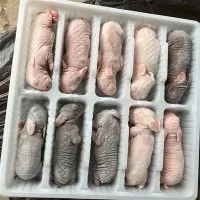
Hey there! I'm a supplier of Frozen Pup Rats. You know, the kind of thing that's super important for reptile owners out there. And one question I get a lot is, "Can I thaw Frozen Pup Rats at room temperature?" Well, let's dig into this topic and find out.
First off, let me give you a bit of background. Frozen Pup Rats are a staple in the diet of many reptiles. They're a convenient and nutritious option for pet owners who want to make sure their scaly friends are getting the right kind of food. I've been in the business of supplying Frozen Rats for Reptiles for quite a while now, and I've seen all sorts of questions and concerns from customers.
Now, back to the main question. Thawing Frozen Pup Rats at room temperature is something that some people do, but it's not without its risks. When you leave frozen food out at room temperature, it creates an environment where bacteria can grow really quickly. You see, bacteria love warm, moist conditions, and room temperature provides just that. As the rats start to thaw, the outer layers get to a temperature where bacteria can start multiplying like crazy.
Let's talk about the science behind it. The temperature danger zone for food is between 40°F (4°C) and 140°F (60°C). This is the range where bacteria can grow at an alarming rate. When you thaw Frozen Pup Rats at room temperature, there's a good chance that they'll spend a significant amount of time in this danger zone. For example, if you leave a frozen rat out on your kitchen counter, it might take a few hours to thaw completely. During that time, the outer parts of the rat are in the perfect temperature range for bacteria to thrive.
Another issue with thawing at room temperature is the uneven thawing. The outside of the rat will thaw much faster than the inside. This means that the outer layers might be in the danger zone for a longer time, increasing the risk of bacterial growth. And if the inside of the rat doesn't thaw properly, it can also be a problem. Reptiles need their food to be fully thawed so that they can digest it properly. If the rat is still partially frozen in the middle, it could cause digestive issues for your pet.
So, what are the alternatives? One of the best ways to thaw Frozen Pup Rats is in the refrigerator. This is a slow and controlled process that keeps the rats at a temperature below the danger zone. It might take a bit longer - usually overnight - but it's a much safer option. The cold temperature in the fridge inhibits the growth of bacteria, so you don't have to worry about your rats becoming a breeding ground for germs.
If you're in a hurry, you can also use a cold-water bath. Fill a bowl with cold water and submerge the frozen rat in it. Make sure to change the water every 30 minutes to keep it cold. This method is faster than thawing in the fridge, but it still keeps the temperature low enough to prevent excessive bacterial growth.


Now, I know some of you might be thinking, "But I've been thawing my rats at room temperature for years, and my reptiles have been fine." Well, that's great, but it's still a bit of a gamble. Just because you haven't had any problems so far doesn't mean that you won't in the future. Bacterial contamination can lead to all sorts of health issues for your reptiles, from mild digestive problems to more serious infections.
As a supplier of Arctic Mice Frozen Rats and Frozen Pup Rats, I always want to make sure that my customers are using the best practices when it comes to handling and thawing their pet's food. I want your reptiles to be healthy and happy, and proper food handling is a big part of that.
If you're new to owning reptiles or if you're just looking for some more information on how to take care of your scaly friends, I'm here to help. I've got a wealth of knowledge about Frozen Pup Rats and other frozen reptile food. Whether you're wondering about the right size of rat for your reptile or how to store your frozen food properly, I can give you the answers.
If you're interested in purchasing Frozen Pup Rats or any of our other Frozen Rats for Reptiles, I'd love to have a chat with you. We offer high - quality, frozen food that's been carefully processed to ensure the best nutrition for your reptiles. Just reach out, and we can discuss your needs and how we can supply you with the right products.
In conclusion, while it might be tempting to thaw Frozen Pup Rats at room temperature for the sake of convenience, it's not the safest option. There are better ways to thaw your rats that reduce the risk of bacterial growth and keep your reptiles healthy. Remember, when it comes to your pet's food, it's always better to be safe than sorry.
References
- Food Safety and Inspection Service, USDA. "The Temperature Danger Zone."
- Herpetological Society Guidelines on Reptile Feeding and Food Handling.