


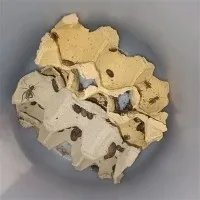


As a supplier of Extra Large Dubia Roaches, I often get asked a variety of questions from customers. One of the most common inquiries is whether these extra large dubia roaches can survive in cold environments. In this blog post, I'll delve into the scientific aspects of this question, drawing on my experience in the industry and relevant research.
Understanding the Natural Habitat of Dubia Roaches
Dubia roaches (Blaptica dubia) are native to Central and South America. These regions typically have warm and humid climates. In their natural habitat, the temperature usually ranges from 75°F to 95°F (24°C to 35°C), and the humidity is relatively high. This environment is ideal for their growth, reproduction, and overall survival.
The warm temperatures are crucial for their metabolic processes. Insects are cold - blooded, which means their body temperature is regulated by the surrounding environment. In a warm environment, their metabolism functions efficiently. They can digest food, grow, and reproduce at a normal rate. For example, female dubia roaches need a suitable temperature to carry their eggs to term and give birth to live young.
The Impact of Cold Environments on Dubia Roaches
When exposed to cold environments, dubia roaches face several challenges. Firstly, their metabolic rate slows down significantly. As the temperature drops, the chemical reactions in their bodies that are responsible for digestion, movement, and other vital functions occur at a much slower pace. For instance, at temperatures below 60°F (15°C), dubia roaches become lethargic. They move less, eat less, and their growth and reproduction are severely affected.
At even lower temperatures, the situation becomes more dire. If the temperature drops below 50°F (10°C), dubia roaches may enter a state of torpor. Torpor is a temporary hibernation - like state where the roach's physiological functions are greatly reduced to conserve energy. However, unlike some animals that can survive long - term in a hibernation state, dubia roaches are not well - adapted to extended periods of cold.
If the temperature reaches freezing point (32°F or 0°C), the water inside the roach's body can freeze. This is extremely dangerous as the formation of ice crystals can damage their cells and tissues, leading to death. Even short - term exposure to freezing temperatures can be fatal for dubia roaches.
How Extra Large Dubia Roaches Fare in Cold
Extra large dubia roaches, being larger in size, may have a slightly different response to cold compared to smaller ones. Larger insects generally have a lower surface - area - to - volume ratio. This means that they lose heat more slowly than smaller insects. However, this advantage is limited.
Even extra large dubia roaches are still highly sensitive to cold. Their larger size does not make them immune to the negative effects of low temperatures. In fact, their larger bodies may require more energy to maintain basic functions, and in a cold environment where their metabolic rate is low, they may struggle to meet these energy demands.
Strategies to Protect Dubia Roaches from Cold
If you are a customer who has purchased Extra Large Dubia Roaches and need to keep them in a cooler climate, there are several strategies you can employ.


One of the most effective ways is to use a heat source. A heat mat placed under the roach enclosure can provide a consistent source of warmth. You can set the temperature of the heat mat to maintain the ideal temperature range for the roaches. Another option is to use a ceramic heat emitter. These emitters produce heat without light, which is beneficial as dubia roaches are nocturnal and do not need light at night.
Proper insulation of the enclosure is also important. You can use materials like styrofoam or thick cardboard to insulate the sides of the enclosure. This helps to retain the heat inside and prevent it from escaping.
Shipping Considerations in Cold Weather
As a supplier, I take great care when shipping Extra Large Dubia Roaches during cold weather. We use insulated shipping boxes to protect the roaches from the cold. Inside the box, we include heat packs that can keep the temperature within a safe range for a certain period. However, it's important to note that extreme cold weather can still pose a risk. We always recommend customers to be available to receive their shipment as soon as possible and to have a warm environment ready for the roaches upon arrival.
The Importance of Maintaining Ideal Conditions for Dubia Roaches
Whether you are using dubia roaches as feeder insects for your reptiles or other pets, or you are breeding them, maintaining the right temperature is crucial. Healthy dubia roaches are more nutritious for your pets. They are rich in protein, vitamins, and minerals, and when they are kept in optimal conditions, they can provide the best possible diet for your animals.
For breeders, maintaining the right temperature ensures a successful breeding program. A healthy breeding population of Adult Female Dubia can produce a large number of offspring, which is essential for a sustainable breeding operation.
Conclusion
In conclusion, extra large dubia roaches are not well - adapted to cold environments. While they may have some minor physiological advantages due to their size, cold temperatures still have a significant negative impact on their survival, growth, and reproduction. As a supplier, I always emphasize the importance of providing a warm and suitable environment for these roaches.
If you are interested in purchasing Extra Large Dubia Roaches or 1000 Dubia Roaches for your needs, we are here to assist you. We can provide you with detailed information on how to care for these roaches, especially in different weather conditions. Feel free to reach out to us to discuss your requirements and start a procurement process.
References
- "Insect Physiology" by Stanley D. Beck. This book provides in - depth knowledge about the physiological processes of insects, including how temperature affects their metabolism.
- "The Biology of Cockroaches" by William J. Bell, Louis M. Roth, and Christine A. Nalepa. It offers comprehensive information on the biology and behavior of cockroaches, including dubia roaches.