



As a supplier of Frozen Rats for Snake, I often receive various questions from snake owners. One of the most frequently asked questions is, "Can I feed my snake frozen rats that are from a wild - caught source?" In this blog, I'll delve into this topic in detail, offering you a comprehensive understanding based on scientific knowledge and industry experience.
The Risks of Feeding Wild - Caught Frozen Rats to Snakes
Wild - caught rats can pose numerous risks to snakes. Firstly, they may carry a wide range of parasites. These parasites can include internal parasites such as roundworms, tapeworms, and protozoa, as well as external parasites like mites and fleas. When a snake consumes a wild - caught rat infected with parasites, it can lead to serious health problems. For example, internal parasites can cause digestive issues, malnutrition, and in severe cases, organ damage. External parasites can irritate the snake's skin, leading to infections and discomfort.
Secondly, wild - caught rats are more likely to be exposed to pesticides and other environmental toxins. In the wild, rats may forage in areas where pesticides are used, either in agricultural fields or residential areas. These toxins can accumulate in the rat's body, and when the snake eats the rat, it ingests these harmful substances. Pesticides can have a detrimental effect on the snake's nervous system, immune system, and overall health.
Another risk is the potential for the wild - caught rat to be injured or sick. Rats in the wild face many threats, including predators and diseases. An injured rat may have open wounds that can be infected with bacteria, and a sick rat may be carrying contagious diseases. Feeding a sick or injured rat to your snake can expose the snake to these pathogens, leading to illness or even death.
The Benefits of Using Commercially - Raised Frozen Rats
Commercially - raised frozen rats, like the ones we offer at [our supply service], are a much safer option for snake owners. We raise our rats in a controlled environment, where we can closely monitor their health and diet. This means that the rats are less likely to carry parasites or diseases compared to wild - caught rats.
Our breeding program ensures that the rats are healthy and well - nourished. We feed them a balanced diet that is specifically formulated to meet their nutritional needs. This results in rats that are of high quality and provide the necessary nutrients for your snake's growth and well - being.
In addition, we follow strict hygiene and safety protocols during the freezing process. Freezing the rats at the appropriate temperature and for the right amount of time helps to eliminate any potential pathogens that may be present. This makes the frozen rats safe for your snake to consume.
Our Product Range
We offer a diverse range of frozen rodents suitable for snakes of different sizes and species. Our Small White Rats are perfect for smaller snakes or juvenile snakes. They are carefully selected and frozen to preserve their freshness and nutritional value.
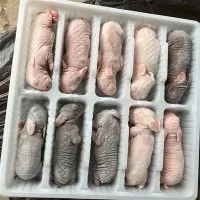
For snakes that prefer a smaller prey item, our Suckling Mouse is an excellent choice. Suckling mice are young and tender, making them easy for snakes to digest.
Of course, our main product line is the Frozen Rats for Snake. These rats come in various sizes, allowing you to choose the most appropriate one for your snake based on its age, size, and feeding requirements.


How to Properly Feed Your Snake Frozen Rats
When feeding your snake frozen rats, it's important to follow the correct procedures. First, you need to thaw the rat properly. Do not use a microwave to thaw the rat, as this can cause uneven heating and may damage the rat's tissue. Instead, place the frozen rat in a sealed plastic bag and submerge it in warm water for about 30 minutes to an hour, depending on the size of the rat.
Once the rat is thawed, you can use a pair of tongs to offer it to your snake. It's best to hold the rat by the tail and dangle it in front of the snake's head. This mimics the movement of a live prey item and can stimulate the snake's hunting instinct.
It's also important to monitor your snake during the feeding process. Make sure that the snake swallows the rat without any difficulty. If the snake seems reluctant to eat or has trouble swallowing, it may be a sign that the rat is too large or that the snake is not feeling well.
Why Choose Our Frozen Rats for Snake
As a trusted supplier of Frozen Rats for Snake, we are committed to providing high - quality products and excellent customer service. Our rats are carefully inspected before freezing to ensure that they meet our strict quality standards.
We offer competitive prices and convenient shipping options. Whether you are a small - scale snake owner or a large - scale breeder, we can meet your needs. Our team of experts is always available to answer your questions and provide you with advice on snake feeding and care.
Conclusion
In conclusion, feeding your snake frozen rats from a wild - caught source is not recommended due to the many risks involved. Commercially - raised frozen rats, such as the ones we offer, are a much safer and more reliable option. They provide the necessary nutrients for your snake's health and well - being, and they are free from the potential dangers associated with wild - caught rats.
If you are interested in purchasing our high - quality frozen rats for your snake, we encourage you to contact us for more information. We are happy to discuss your specific requirements and help you choose the right product for your snake. You can explore our product range further by visiting our website and checking out our Small White Rats, Suckling Mouse, and Frozen Rats for Snake pages. Let's work together to ensure that your snake stays healthy and happy.
References
- Barker, S. C., & Bradley, J. E. (2002). Veterinary Parasitology. Blackwell Science.
- Mader, D. R. (2006). Reptile Medicine and Surgery. Saunders Elsevier.
- Tully, T. N., & Mitchell, M. A. (2002). Manual of Exotic Pet Practice. Saunders.