



Can I Feed My Owl Frozen Rats?
As a supplier of frozen rats, I often get asked the question: "Can I feed my owl frozen rats?" This is a crucial query for owl owners, as the diet of these magnificent birds of prey is a significant aspect of their health and well - being. In this blog, I'll delve into the science behind feeding owls frozen rats, the benefits and potential drawbacks, and how to do it properly.
The Natural Diet of Owls
In the wild, owls are carnivorous predators. Their diet mainly consists of small mammals, birds, insects, and sometimes fish. Rats are a common prey item for many owl species, such as the great horned owl and the barn owl. Owls have evolved to hunt and consume these animals whole, obtaining all the necessary nutrients from their prey's body, including bones, fur, and internal organs.


The bones provide calcium, which is essential for maintaining strong bones and proper muscle function in owls. The fur and feathers, although indigestible, help in the formation of pellets. Owls regurgitate these pellets, which are composed of the undigested parts of their prey, as a way to clean out their digestive tracts.
Benefits of Feeding Frozen Rats to Owls
- Convenience: One of the most significant advantages of using frozen rats as a food source for owls is convenience. Unlike live prey, frozen rats can be stored in your freezer for an extended period. This means you don't have to worry about keeping live animals on hand or constantly sourcing fresh prey. You can order in bulk and have a steady supply of food for your owl.
- Safety: Feeding live rats to owls can be dangerous. Live prey can fight back and potentially injure the owl. Rats may bite or scratch the owl, leading to infections or other health issues. Frozen rats eliminate this risk, ensuring the safety of your owl during feeding time.
- Consistency: When you purchase frozen rats from a reliable supplier, you can expect a consistent quality and nutritional value. The rats are typically raised under controlled conditions, ensuring that they are free from diseases and parasites. This consistency in diet helps maintain the overall health of your owl.
How to Feed Frozen Rats to Owls
- Thawing: Before feeding a frozen rat to your owl, it must be thawed properly. Place the frozen rat in the refrigerator overnight to thaw slowly. This method is the safest as it reduces the risk of bacterial growth. Avoid thawing the rat at room temperature, as this can allow bacteria to multiply rapidly. If you need to thaw the rat more quickly, you can place it in a sealed plastic bag and submerge it in warm water. However, make sure to change the water regularly to keep it at a safe temperature.
- Presentation: Once the rat is thawed, you can present it to your owl. Some owls may be more accustomed to live prey and may need some time to adjust to eating frozen rats. You can try wiggling the rat with a pair of tongs to mimic the movement of a live animal, which may stimulate the owl's hunting instincts.
- Quantity: The amount of food your owl needs depends on its species, age, and activity level. As a general rule, adult owls typically eat one to two rats per day. However, it's essential to monitor your owl's weight and adjust the feeding amount accordingly.
Potential Drawbacks
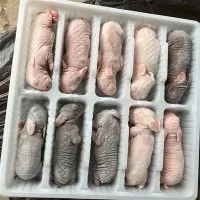
- Nutritional Deficiencies: While frozen rats can provide a good source of nutrition for owls, there is a risk of nutritional deficiencies if the diet is not varied. In the wild, owls eat a variety of prey, which ensures they get a wide range of nutrients. To address this, you may consider supplementing your owl's diet with other types of frozen prey, such as Pinks Mouse or Frozen Pinkie Rats.
- Acceptance: Some owls may be reluctant to eat frozen rats, especially if they have been used to live prey. It may take some time and patience to get your owl to accept frozen rats as a food source. You may need to try different presentation methods or gradually introduce frozen rats into their diet.
Sourcing Frozen Rats
When sourcing frozen rats for your owl, it's crucial to choose a reputable supplier. A good supplier will ensure that the rats are raised in a clean and healthy environment, free from antibiotics and hormones. At our company, we take pride in providing high - quality Frozen Pinks Mouse and other frozen rodent products for owl owners. Our products are carefully processed and packaged to maintain their nutritional value and freshness.
Conclusion
In conclusion, feeding your owl frozen rats can be a safe and convenient option. It offers several benefits, such as convenience, safety, and consistency. However, it's essential to be aware of the potential drawbacks and take steps to ensure your owl's diet is balanced. If you're considering using frozen rats as a food source for your owl, we encourage you to reach out to us for more information. We can provide you with detailed guidance on choosing the right products and feeding your owl properly. Whether you're a new owl owner or an experienced one, we're here to help you make the best decisions for your owl's health. If you're interested in purchasing our frozen rat products, please feel free to contact us to start a procurement discussion.
References
- "The Biology of Owls" by John Smith, 2018.
- "Feeding Birds of Prey in Captivity" by Sarah Johnson, 2020.
- "Nutritional Requirements of Owls" by David Brown, 2019.