



Can frozen rats be refrozen after thawing? This is a question that often arises among our customers, who are mainly reptile owners. As a leading supplier of frozen rats, we understand the importance of providing accurate information to ensure the health and well - being of your beloved reptiles.
The Science Behind Freezing and Thawing
To understand whether refreezing thawed frozen rats is a good idea, we first need to look at the science of freezing and thawing. When we freeze rats, the low temperature slows down the growth of bacteria and other microorganisms. Water inside the rat's body turns into ice, which inhibits the metabolic processes of these harmful organisms.
However, when the frozen rats are thawed, the ice melts, and the water becomes available again. This creates an environment where bacteria can start to multiply rapidly. The longer the thawed rats are left at room temperature, the more bacteria will grow. According to food safety guidelines, the "danger zone" for bacterial growth is between 40°F (4°C) and 140°F (60°C). Once the rats are thawed and enter this temperature range, the risk of spoilage increases significantly.
Refreezing the thawed rats does not eliminate the bacteria that have already multiplied during the thawing process. When you refreeze the rats, the bacteria may go into a dormant state, but they do not die. Once the rats are thawed again, these bacteria can resume their growth, potentially leading to spoilage and health risks for your reptiles.
Risks Associated with Refreezing Thawed Frozen Rats
There are several risks associated with refreezing thawed frozen rats. Firstly, the quality of the meat can be compromised. Freezing and thawing cycles can cause the formation of ice crystals, which can damage the cell structure of the rat's body. This can lead to a loss of moisture and nutrients, making the meat less palatable and nutritious for your reptiles.
Secondly, as mentioned earlier, the growth of bacteria during the thawing process can pose a significant health risk. Reptiles have sensitive digestive systems, and consuming spoiled food can lead to various health problems, such as diarrhea, vomiting, and even more severe infections. In some cases, these health issues can be life - threatening for your reptiles.
Our Recommendations as a Frozen Rats Supplier
As a responsible supplier of Frozen Rats for Reptiles, we strongly recommend against refreezing thawed frozen rats. Instead, we suggest the following best practices:
- Thaw Only What You Need: Before feeding your reptiles, carefully calculate the amount of frozen rats they will consume. Thaw only that amount to avoid waste and the temptation to refreeze the remaining rats.
- Proper Thawing Methods: Use safe thawing methods, such as thawing the rats in the refrigerator overnight. This slow thawing process helps to keep the temperature of the rats below the "danger zone" and reduces the risk of bacterial growth.
- Immediate Consumption: Once the rats are thawed, feed them to your reptiles as soon as possible. Do not leave the thawed rats at room temperature for an extended period.
Different Types of Frozen Rats We Offer
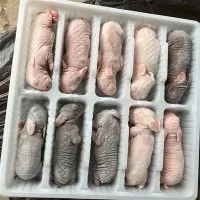
We offer a wide range of frozen rats to meet the diverse needs of our customers. Our Pinks Rats are ideal for small reptiles, such as hatchling snakes and some small lizards. These pinks rats are very young and have a soft body, making them easy for small reptiles to consume.
For larger reptiles, we have Small White Rats. These rats are larger in size and provide more substantial nutrition for adult snakes and larger lizards. Our frozen rats are sourced from high - quality breeders and are carefully processed and frozen to ensure their freshness and nutritional value.
Quality Assurance and Safety Measures
At our company, we take quality assurance and safety very seriously. We follow strict hygiene and safety protocols throughout the entire process, from sourcing the rats to packaging and shipping. Our facilities are regularly inspected to ensure that they meet the highest standards of cleanliness and food safety.


We also conduct regular quality checks on our frozen rats to ensure that they are free from contaminants and diseases. Our team of experts is constantly monitoring the industry's latest research and best practices to improve our products and services.
Conclusion
In conclusion, refreezing thawed frozen rats is not recommended due to the risks associated with bacterial growth and the potential compromise of meat quality. As a trusted supplier of frozen rats, we are committed to providing you with the highest - quality products and accurate information to ensure the health and well - being of your reptiles.
If you have any further questions or are interested in purchasing our frozen rats, please feel free to contact us. We are always ready to assist you with your procurement needs and provide you with the best solutions for your reptiles.
References
- Food Safety and Inspection Service. (n.d.). Safe Thawing Methods. Retrieved from the official website of the United States Department of Agriculture.
- Herpetological Society Journals. Various studies on reptile nutrition and food safety.