


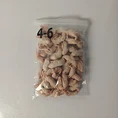
Reptiles:
In their natural environment, snakes and lizards feed on mice. Therefore, it is wise to provide reptiles with a similar food source, with a big advantage: by feeding them mice from the Lane Lab, you are providing them with high-quality mice, which means they are getting high-quality nutrition. For snakes and lizards that are not intended to be returned to the wild, feeding frozen mice also means that they are not at risk of being harmed by prey.
Raptors:
Birds of prey are well known for their ability to control rodent populations in the wild, so feeding frozen mice makes sense. Whether it is an educational bird at a zoo or other institution, or a sick, orphaned, or injured raptor that is being prepared for release into the wild, frozen mice (fed whole) are a good source of nutrition that raptors need to be healthy.
Every year, thousands of sick, injured, or orphaned raptors are rescued and taken to local wildlife rehabilitation centers to be cared for until they can be returned to the wild. If you find an injured, sick, or orphaned raptor, or any other wild animal, please contact your nearest local wildlife rehabilitation center. You can check out our list of wildlife rehabilitators to find one near you.
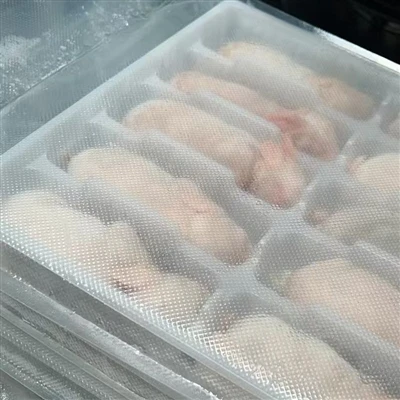
Wild Carnivore Diet:
From coyotes to bobcats, rodents are part of the diet of wild carnivores. The only difference between our frozen rats and wild rodents is the consistency of quality. This is key to ensuring the wild carnivores in your care are getting the nutrients they need. And fully-fed rats provide nutrients that may be missing from commercial diets.