


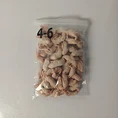

B2B buyers of frozen feeder rats are increasingly looking beyond the product itself. They are evaluating suppliers based on ethical standards, environmental impact, and long-term supply chain resilience. This article explores these evolving priorities and what they mean for the future of partnerships in this industry.
Section 1: The Ethical Imperative: Transparency in Breeding and Euthanasia
Consumer and Institutional Demand: Discuss how public awareness and institutional procurement policies (e.g., for AZA-accredited zoos) are driving demand for full transparency in animal welfare.
Beyond "Humane" – The Need for Certification: Suggest that future-forward suppliers may seek third-party audits or certifications of their breeding and euthanasia practices to provide undeniable proof of their standards.
Section 2: Environmental Considerations and Operational Efficiency
Sustainable Sourcing of Feed: The environmental footprint of a feeder rat is tied to the agriculture behind its feed. Discuss the potential for suppliers to source sustainable or byproduct-based feeds.
Energy-Efficient Facilities: Mention innovations in green facility design (solar power, waste heat recovery) in large-scale breeding operations.
Eco-Conscious Packaging: Explore trends in recyclable or biodegradable vacuum-sealing materials, reducing plastic waste for high-volume clients.
Section 3: Building a Resilient and Transparent Supply Chain
The Risks of Single-Source Dependency: Highlight the vulnerabilities exposed by global events (pandemics, trade disruptions) and the importance of a supplier's financial and operational stability.
The Value of Scale and Experience: A supplier with a long operational history (like a decade) and significant scale (tens of thousands of breeding units) is inherently more resilient to market fluctuations and can guarantee consistent supply.
Digital Integration: The future may include digital batch tracking, online ordering portals, and automated inventory forecasting for B2B clients.
Marketing Integration: "Our 10-year journey of steady development in vibrant Hangzhou has been about building more than just a company; it's been about building a reliable institution within the supply chain. Xiaotuowa Company's significant scale and complete management system are our answer to the market's need for stability. We welcome partners who value a long-term, transparent relationship, and we are committed to evolving with the industry's ethical and environmental standards."
Section 4: The True Cost of Quality: A Value-Based Procurement Approach
Argue against buying based on price per unit alone. Encourage a Total Cost of Ownership (TCO) analysis that factors in:
Reduced veterinary costs from disease prevention.
Elimination of losses due to predator injury.
Labor efficiency in feeding and inventory management.
Reputational value of using ethically sourced food.
Position a premium, transparent supplier as the low-risk, high-value choice in the long run.
Conclusion & Call to Action:
The future belongs to suppliers who operate with transparency, responsibility, and resilience. Your choice of partner today will determine the security and integrity of your supply chain tomorrow.
Align your facility with a forward-looking, stable partner. Let's discuss a partnership that delivers not just frozen rats, but also peace of mind and shared values. Connect with our team to start a conversation about the future: 200898616@aliyun.com or +8617354730565.