




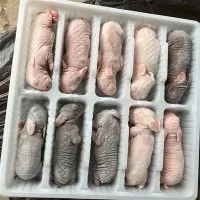
When it comes to handling frozen rats for reptiles, there are several crucial precautions that both suppliers like myself and reptile owners need to take. As a supplier of frozen rats for reptiles, I understand the importance of ensuring the safety and quality of the products we provide. This blog will delve into the key precautions to be aware of during the handling process.
Storage Precautions
Proper storage is the first line of defense in maintaining the quality of frozen rats for reptiles. Frozen rats should be stored at a consistent temperature well below freezing, typically at -20°C (-4°F) or lower. This low temperature helps to prevent the growth of bacteria and other pathogens that could harm reptiles.
At our facility, we use commercial-grade freezers with reliable temperature control systems. Regular temperature checks are conducted to ensure that the freezer is maintaining the appropriate temperature. Any fluctuations in temperature can compromise the quality of the frozen rats. We also have backup power systems in place to prevent thawing in case of a power outage.
When shipping the frozen rats, we use insulated packaging with dry ice to keep the products frozen during transit. This ensures that the rats arrive at the customer's location in the same frozen state as when they left our facility. Customers should also store the frozen rats in a freezer immediately upon receipt to maintain their quality.
Handling Precautions
Before handling frozen rats, it is essential to wash your hands thoroughly with soap and water. This helps to prevent the transfer of any contaminants from your hands to the rats. Wearing disposable gloves can also provide an additional layer of protection.
When removing frozen rats from the freezer, use clean utensils such as tongs or a spatula. Avoid using your bare hands to prevent any cross - contamination. If you need to handle multiple rats, change your gloves or wash your hands between each handling to prevent the spread of bacteria.
Thawing the frozen rats should be done carefully. The safest method is to thaw them in the refrigerator overnight. This slow thawing process helps to maintain the integrity of the rat's tissues and reduces the risk of bacterial growth. Avoid thawing the rats at room temperature, as this can allow bacteria to multiply rapidly.
If you need to thaw the rats more quickly, you can use a sealed plastic bag and place it in cold water. However, you must ensure that the bag is leak - proof to prevent water from getting into the rat. Once thawed, the rats should be used immediately and not refrozen.
Hygiene Precautions
Maintaining a high level of hygiene in the handling area is crucial. The area where the frozen rats are stored, thawed, and handled should be kept clean and free of debris. Regularly clean and disinfect the freezer, storage containers, and any utensils used for handling the rats.
We use food - grade disinfectants in our facility to ensure that all surfaces are properly sanitized. These disinfectants are effective in killing a wide range of bacteria and viruses. After each use, utensils should be washed with hot, soapy water and then disinfected.
It is also important to keep the handling area separate from areas where human food is prepared or consumed. This helps to prevent any potential cross - contamination between the reptile food and human food.
Quality Control Precautions
As a supplier, we have strict quality control measures in place. We source our rats from reputable breeders who follow high - standards of animal care. Before freezing the rats, we conduct a visual inspection to ensure that they are healthy and free of any visible signs of disease or injury.
We also perform regular microbiological testing on our frozen rats to check for the presence of harmful bacteria such as Salmonella and E. coli. These tests help us to ensure that the rats are safe for reptiles to consume. Any rats that do not meet our quality standards are discarded.
Customers should also inspect the frozen rats upon receipt. Look for any signs of freezer burn, discoloration, or an unusual odor. If you notice any of these signs, do not feed the rats to your reptile and contact the supplier immediately.
Safety Precautions for Reptiles
When feeding thawed rats to reptiles, it is important to use proper feeding techniques. Use long - handled tongs to offer the rat to the reptile, especially if you are dealing with larger or more aggressive reptiles. This helps to prevent any accidental bites.

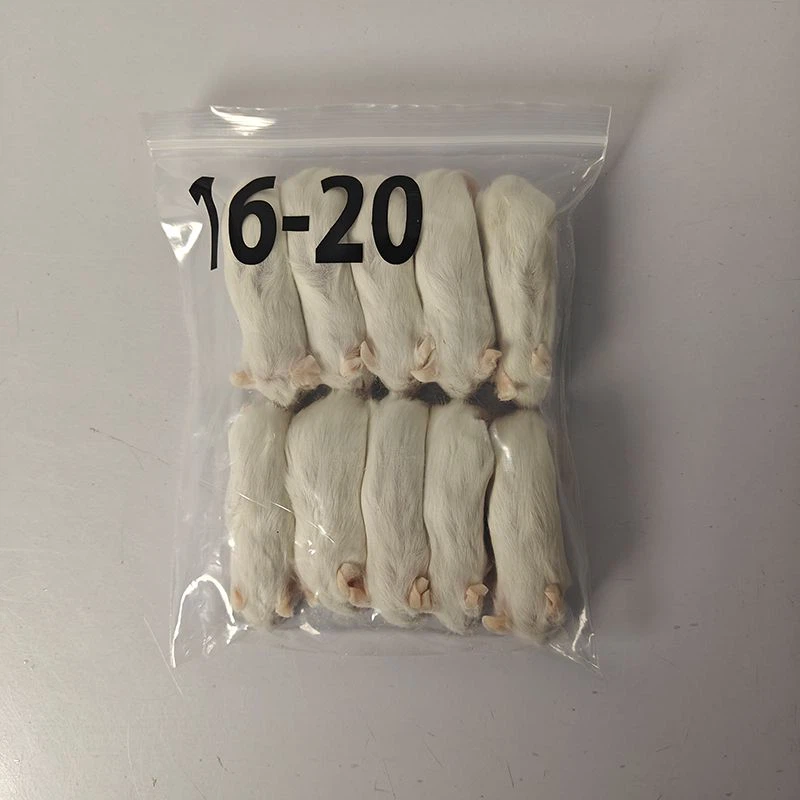
Make sure that the size of the rat is appropriate for the size of the reptile. Feeding a rat that is too large can cause choking or other digestive problems for the reptile. We offer a variety of sizes of frozen rats, including Frozen Pinks Mice, Little White Rat, and Frozen Pinkie Rats to meet the different needs of reptiles.
After feeding, remove any uneaten portions of the rat from the reptile's enclosure. Leaving uneaten food in the enclosure can attract pests and cause an unsanitary environment.
Contact for Purchase and Consultation
If you are a reptile owner or a pet store looking for high - quality frozen rats for reptiles, we are here to assist you. Our products are carefully sourced, processed, and stored to ensure the best quality and safety for your reptiles. We are committed to providing excellent customer service and will be happy to answer any questions you may have about our products or the handling of frozen rats. Contact us to start a discussion about your procurement needs.
References
- "Reptile Nutrition and Feeding" by Dr. Richard W. Barten.
- Guidelines from the American Association of Zoo Veterinarians on Reptile Feeding.
- Research studies on food safety in reptile diets published in the Journal of Herpetological Medicine and Surgery.