





As a supplier of frozen rats for reptiles, I've witnessed firsthand the crucial role these frozen rodents play in the diet of various reptilian species. In this blog, I'll delve into the significance of frozen rats in a reptile's diet, exploring the nutritional value, benefits, and considerations associated with feeding them to our scaly friends.
Nutritional Value of Frozen Rats
Frozen rats are a rich source of essential nutrients that are vital for the health and well - being of reptiles. They offer a balanced profile of proteins, fats, vitamins, and minerals.
Protein is the cornerstone of a reptile's diet. Rats are packed with high - quality protein, which is essential for growth, tissue repair, and the production of enzymes and hormones. For growing reptiles, such as young pythons or monitors, an adequate protein intake is crucial for proper development. It helps in building strong muscles and a healthy skeletal system.
Fats are another important component. They provide a concentrated source of energy, which is especially important for larger and more active reptiles. The fatty acids in rats, such as omega - 3 and omega - 6, are beneficial for maintaining healthy skin and scales, as well as supporting a strong immune system.
In terms of vitamins and minerals, rats contain a variety of them. Calcium is essential for bone health, and a diet rich in calcium helps prevent metabolic bone disease, a common and serious condition in reptiles. Phosphorus also works in tandem with calcium for proper bone formation. Additionally, vitamins like vitamin A, D, and E play important roles in vision, calcium absorption, and antioxidant defense respectively.
Benefits of Feeding Frozen Rats to Reptiles
One of the primary benefits of using frozen rats is convenience. As a supplier, I understand that reptile owners lead busy lives. Frozen rats can be stored in the freezer for an extended period, allowing owners to have a ready - to - feed food source on hand. There's no need to worry about the hassle of keeping live prey, which can be noisy, messy, and may even pose a risk of injury to the reptile.
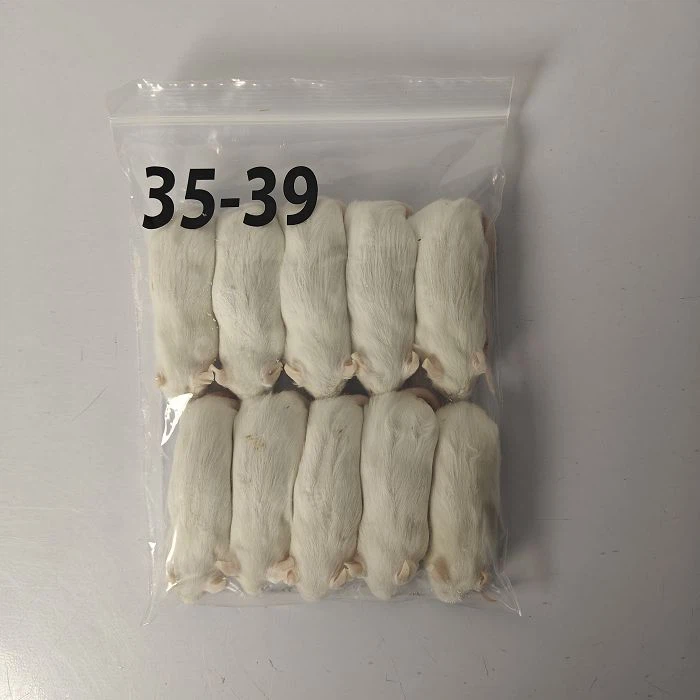

Frozen rats are also safer. Live prey can fight back and cause harm to the reptile. A mouse or rat with sharp teeth and claws can bite or scratch the reptile during the feeding process, leading to infections or other health issues. In contrast, frozen rats are pre - killed, eliminating this risk.
Another advantage is the consistency in size and nutritional content. When you purchase frozen rats from a reliable supplier like me, you can expect a certain level of standardization. This makes it easier to determine the appropriate portion size for your reptile, ensuring that it gets the right amount of nutrients without over - or under - feeding.
Different Types of Frozen Rats for Reptiles
We offer a variety of frozen rodents to meet the diverse needs of different reptile species. For smaller reptiles, such as geckos or some snakes, Frozen Pinks Mouse are a great option. These are very young mice, usually less than 24 hours old, and are small enough for the smaller reptiles to consume easily.
As reptiles grow, they require larger prey items. White Fluffy Rat are a popular choice for medium - sized snakes. They are a bit larger than pinky mice and provide a more substantial meal.
For larger and more powerful reptiles, like large pythons or adult monitors, Frozen Jumbo Rat are the way to go. These rats are significantly larger in size and offer a high - volume meal to satisfy the energy requirements of these big reptiles.
Considerations When Feeding Frozen Rats
When feeding frozen rats to reptiles, proper thawing is crucial. It's important to thaw the rat slowly in the refrigerator to preserve its nutritional value. Thawing at room temperature or using a microwave can cause uneven thawing and may even lead to the growth of harmful bacteria. Once thawed, the rat should be warmed slightly to mimic the body temperature of live prey, which can stimulate the reptile's feeding response.
It's also important to monitor the reptile's feeding behavior and body condition. Some reptiles may be picky eaters, and it may take some time for them to accept frozen rats, especially if they are used to live prey. If a reptile refuses to eat, it's important not to force - feed. Instead, try different techniques, such as scenting the rat with a more appealing odor or changing the presentation.
Another consideration is the frequency of feeding. The feeding frequency depends on the age, species, and size of the reptile. Younger reptiles generally need to be fed more often than adults, as they are growing rapidly. For example, a juvenile snake may need to be fed once or twice a week, while an adult snake may only need to be fed every two to three weeks.
Conclusion
In conclusion, frozen rats play an indispensable role in the diet of reptiles. They offer a nutritionally balanced and convenient food source that is safe and consistent. As a supplier, I'm committed to providing high - quality frozen rats that meet the needs of reptile owners and their beloved pets.
If you're interested in purchasing frozen rats for your reptiles, I invite you to reach out for a procurement discussion. Whether you're a new reptile owner looking for the right food for your pet or an experienced keeper in need of a reliable supplier, I'm here to help. Let's work together to ensure the health and well - being of your reptiles through proper nutrition.
References
- "Reptile Nutrition" by Murray and Skelton.
- "The Complete Guide to Feeding Your Reptile" by various authors.
- Scientific research papers on reptile diet and nutrition from journals such as the Journal of Herpetological Medicine and Surgery.