




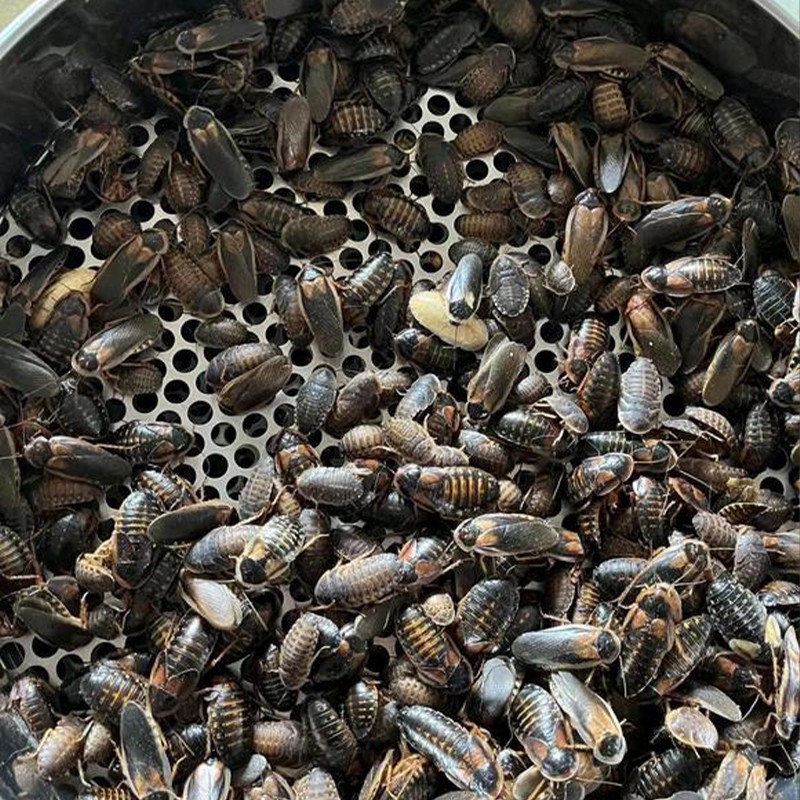
Blaptica dubia, commonly known as the Dubia roach, is an insect species that has gained significant attention in recent years, not only for its use as a feeder insect but also for its role in the ecosystem. As a supplier of Blaptica dubia, I have had the opportunity to study these fascinating creatures up close and understand their ecological significance. In this blog post, I will delve into the various roles that Blaptica dubia plays in the ecosystem and highlight why they are an important part of our natural world.
Decomposers
One of the primary roles of Blaptica dubia in the ecosystem is that of a decomposer. These roaches are detritivores, which means they feed on decaying organic matter such as fallen leaves, dead plants, and animal carcasses. By consuming this organic material, Blaptica dubia helps to break it down into smaller particles, accelerating the decomposition process. This is crucial for the nutrient cycling in the ecosystem as it releases essential nutrients such as nitrogen, phosphorus, and potassium back into the soil. These nutrients are then available for plants to absorb, promoting their growth and overall health.
In their natural habitat, Blaptica dubia can be found in areas with a high concentration of decaying vegetation, such as forests and tropical regions. They play a vital role in maintaining the balance of these ecosystems by preventing the accumulation of dead organic matter, which could otherwise lead to the growth of harmful bacteria and fungi.
Prey for Other Animals
Blaptica dubia also serves as an important food source for a variety of animals in the ecosystem. Many predators, including reptiles, amphibians, birds, and small mammals, rely on these roaches as a part of their diet. Their high protein content and relatively easy availability make them an attractive prey item.
For example, reptile enthusiasts often use Blaptica dubia as a feeder insect for their pets. Species such as bearded dragons, leopard geckos, and chameleons benefit from the nutritional value provided by these roaches. In the wild, these same predators would hunt Blaptica dubia as a natural part of their foraging behavior. By being a prey species, Blaptica dubia helps to support the food web and maintain the population dynamics of predator species.
Soil Aeration
As Blaptica dubia move through the soil in search of food and shelter, they contribute to soil aeration. Their burrowing activities create channels and pores in the soil, allowing air and water to penetrate more easily. This is essential for the health of plant roots, as they require oxygen to respire and water to absorb nutrients.
The improved soil structure also enhances the drainage of water, preventing waterlogging and reducing the risk of root diseases. Additionally, the movement of Blaptica dubia in the soil helps to mix different layers of soil, distributing nutrients more evenly throughout the soil profile.
Seed Dispersal
Although not as well - documented as some of their other ecological roles, Blaptica dubia may also play a role in seed dispersal. As they move around in their environment, seeds can attach to their bodies or be ingested and later excreted in a different location. This can help plants to spread and colonize new areas, contributing to the biodiversity of the ecosystem.
Our Role as a Supplier
As a supplier of Blaptica dubia, we are committed to ensuring that our roaches are raised in a sustainable and ethical manner. We understand the importance of these insects in the ecosystem and strive to provide high - quality specimens for various purposes, whether it's for the pet trade or scientific research.
We offer a wide range of Blaptica dubia products, including Adult Female Dubia, which are often preferred by breeders due to their reproductive capabilities. Our Dried Dubia Roaches are a convenient option for those who want a long - lasting food source for their pets. And for those looking for larger specimens, our Extra Large Dubia Roaches are a great choice.
Why Choose Our Blaptica Dubia?
- Quality Assurance: We maintain strict quality control measures to ensure that our roaches are healthy and free from diseases.
- Sustainable Practices: We use environmentally friendly methods in our breeding facilities to minimize our impact on the ecosystem.
- Expert Support: Our team of experts is available to provide advice and support to our customers, whether they are new to keeping Blaptica dubia or have been doing it for a long time.
Contact Us for Procurement
If you are interested in purchasing Blaptica dubia for your pet, research, or other purposes, we invite you to contact us. We are always happy to discuss your specific needs and provide you with the best solutions. Whether you need a small quantity for a single pet or a large order for a breeding project, we can accommodate your requirements.

References
- Chapman, R. F. (1998). The Insects: Structure and Function. Cambridge University Press.
- Gullan, P. J., & Cranston, P. S. (2014). The Insects: An Outline of Entomology. John Wiley & Sons.
- Schowalter, T. D. (2016). Insect Ecology: An Ecosystem Approach. Academic Press.