



What is the moisture content of whole frozen rabbit?
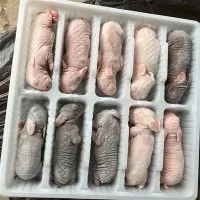
As a supplier of Whole Frozen Rabbit, I often get asked about the moisture content of our product. Understanding the moisture content of whole frozen rabbit is crucial for various reasons, from ensuring product quality to meeting the specific needs of our customers, whether they are using our rabbits as Frozen Rabbits for Snake Food or Frozen Rabbits for Reptiles.
The Basics of Moisture Content in Whole Frozen Rabbit
Moisture content refers to the amount of water present in a substance, in this case, a whole frozen rabbit. It is typically expressed as a percentage of the total weight of the rabbit. The moisture content of a whole frozen rabbit can vary depending on several factors, including the breed of the rabbit, its age, diet, and the freezing process used.
On average, the moisture content of a whole frozen rabbit ranges from 70% to 80%. This high moisture content is characteristic of most meat products, as water is a major component of muscle tissue. However, the exact moisture content can deviate from this range based on the factors mentioned above.
Factors Affecting Moisture Content
Breed and Age
Different rabbit breeds have varying body compositions, which can influence the moisture content. For example, some breeds may have a higher proportion of muscle mass, which generally contains more water than fat or bone. Additionally, younger rabbits tend to have a higher moisture content compared to older ones. As rabbits age, their muscle tissue may become more fibrous, and the proportion of fat may increase, leading to a lower moisture content.
Diet
The diet of the rabbit can also impact its moisture content. Rabbits that consume a diet high in fresh vegetables and water-rich foods are likely to have a higher moisture content. Conversely, a diet that is low in water or high in dry feed may result in a lower moisture content.


Freezing Process
The way the rabbit is frozen plays a significant role in determining its moisture content. Rapid freezing techniques, such as blast freezing, can help preserve the natural moisture content of the rabbit by forming small ice crystals that minimize damage to the muscle tissue. On the other hand, slow freezing can lead to the formation of larger ice crystals, which can rupture cell membranes and cause moisture loss during thawing.
Importance of Moisture Content
Product Quality
Maintaining an appropriate moisture content is essential for ensuring the quality of our whole frozen rabbits. A high moisture content helps to keep the meat tender, juicy, and flavorful. When the moisture content is too low, the meat can become dry, tough, and less palatable. On the other hand, excessive moisture can lead to the growth of bacteria and mold, which can spoil the product and pose a health risk.
Nutritional Value
The moisture content of whole frozen rabbit also affects its nutritional value. Water is an essential nutrient that plays a vital role in various bodily functions, including digestion, circulation, and temperature regulation. By providing a product with a balanced moisture content, we ensure that our customers are getting a nutritious and healthy food source for their snakes or reptiles.
Shelf Life
Proper moisture content is crucial for extending the shelf life of our whole frozen rabbits. A higher moisture content can increase the risk of freezer burn, which occurs when the surface of the meat dries out due to exposure to air. Freezer burn can not only affect the appearance and texture of the meat but also reduce its nutritional value. By controlling the moisture content and using appropriate packaging techniques, we can minimize the risk of freezer burn and ensure that our products remain fresh and of high quality for an extended period.
Measuring Moisture Content
At our company, we use advanced moisture analysis techniques to accurately measure the moisture content of our whole frozen rabbits. One common method is the oven-drying method, which involves weighing a sample of the rabbit before and after drying it in an oven at a specific temperature for a set period of time. The difference in weight represents the moisture content of the sample.
Another method we use is the Karl Fischer titration, which is a more precise and sensitive technique for measuring moisture content. This method involves reacting the water in the sample with a reagent to determine the exact amount of water present.
Meeting Customer Needs
As a supplier of Whole Frozen Rabbit, we understand the diverse needs of our customers. Whether they are snake owners looking for Frozen Rabbits for Snake Food or reptile breeders in need of Frozen Rabbits for Reptiles, we strive to provide products that meet their specific requirements.
We work closely with our customers to understand their preferences and ensure that our whole frozen rabbits have the appropriate moisture content. For example, some customers may prefer a higher moisture content for a more tender and juicy meat, while others may require a lower moisture content for longer shelf life or specific feeding requirements.
Contact Us for Procurement
If you are interested in purchasing our whole frozen rabbits, we invite you to contact us for procurement. We offer high-quality products at competitive prices, and our team of experts is always available to answer any questions you may have. Whether you are a small-scale snake owner or a large reptile breeding facility, we can provide you with the right quantity and quality of whole frozen rabbits to meet your needs.
References
- "Rabbit Production" by Temple Grandin and Mark Deesing
- "Meat Science and Muscle Biology" by Dennis R. Wulf and James F. Hunt
- "Nutritional Requirements of Rabbits" by National Research Council